

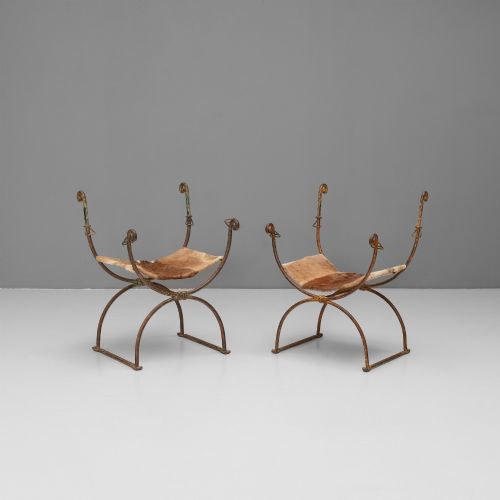
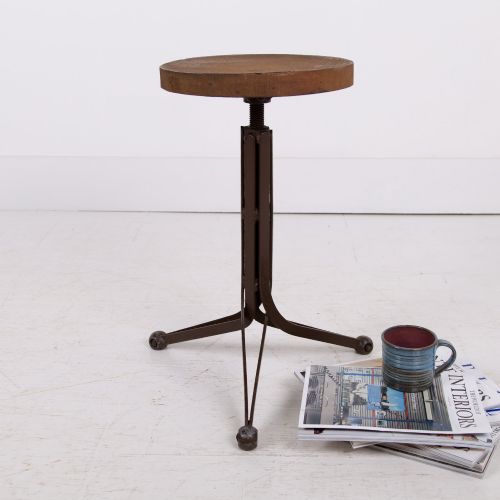


Antique Iron Stool
These heavy, utilitarian antique iron stool designs bring rugged workshop and country-house character straight into modern interiors.
Antique Iron Stool
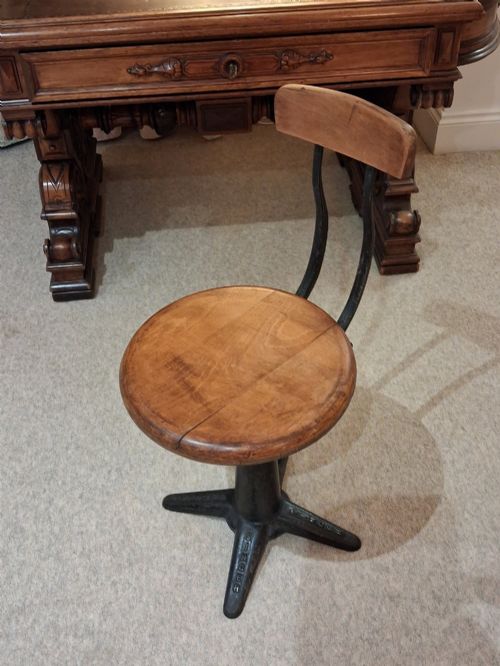
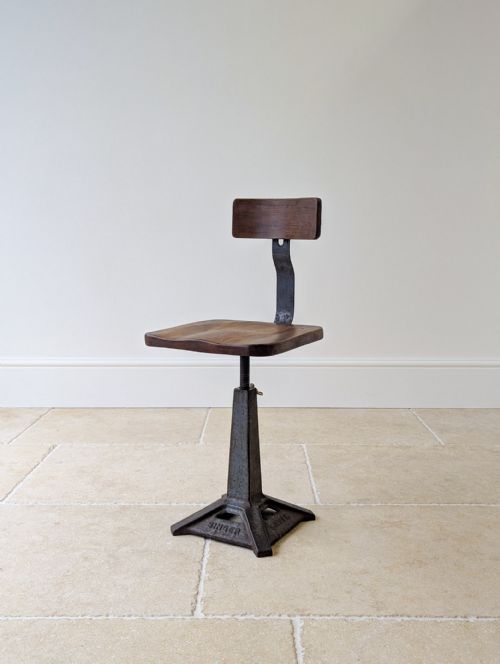
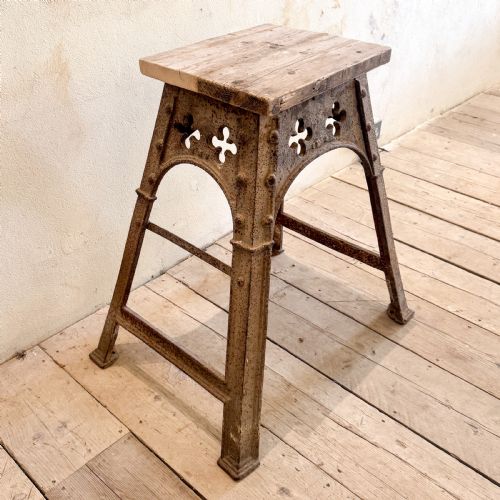
An antique iron stool encompasses robust seating and hearth accessories shaped by utilitarian service across several centuries, from Georgian country-house footmen to 20th-century workshop seating. When searching for an antique iron stool, buyers encounter heavy industrial revolving designs, factory machinist chairs, and sturdy hall seats built for endurance.
The most common examples on this page date from the Victorian and early 20th-century industrial eras, often featuring combination materials like cast iron, steel, and timber. These functional objects range from bar stools with gear cog bases to hearth trivets and footmen, each bearing the marks of active workshops or domestic kitchens.
Assessing quality and character
Quality in these pieces rests upon the integrity of the original mechanical components, such as smoothly operating revolving seats and intact cast-iron gear cog bases. Pieces retaining clear maker stamps or foundry markings demonstrate higher manufacturing pedigree than unmarked utility items.
The harmony between the metal frame and the wooden top also dictates overall merit, where well-preserved elm seats paired with heavy cast iron show superior balance. Patina accumulated through genuine industrial or domestic service adds depth, provided the structural iron remains free from modern alterations.
Antique Iron Stool Retail Price Guide 2026
Typical asking prices for iron stool among the pieces listed under this phrase on Sellingantiques today, from the lower quarter to the upper quarter. They describe what is for sale here now, not the wider market.
Some factory stools retain enough grit and grease to make you wonder which shift forgot to clean them before closing time.
Blackstone & Co.·Singer·Evertaut
The Antique Iron Stool Glossary
- Cast Iron
- A hard, brittle iron-carbon alloy formed by pouring molten metal into a mould, commonly used for durable bases and seats in industrial furniture. It allows for intricate foundry marks and heavy load-bearing capacities.
- Wrought Iron
- Tough, malleable iron worked by hand while hot, characterised by a fibrous texture from silicate slag inclusions. This material appears in forged hearth furniture and early structural frames.
- Footman
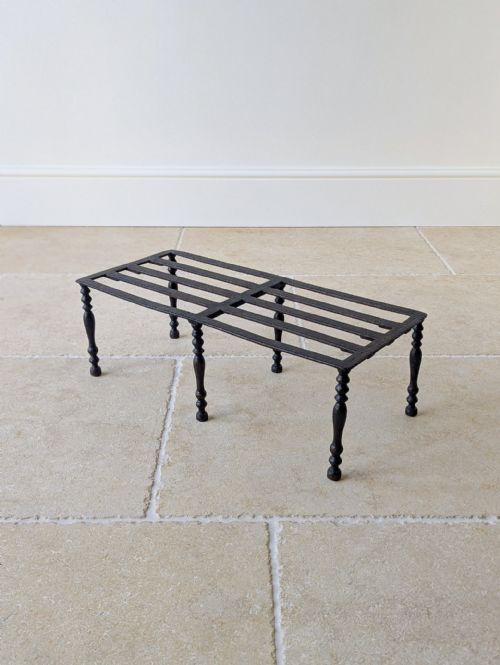
- A metal stand placed before a fireplace to keep dishes warm or to support cooking vessels, typically featuring iron legs and a flat top. Georgian examples often display refined forged detail.
- Machinist Chair
- A height-adjustable industrial seat designed for factory workers during the late 19th and early 20th centuries. These chairs usually combine cast-iron swivel mechanisms with timber seats.
- Gear Cog Base
- A heavy metal furniture support incorporating mechanical cog wheels or gears into the pedestal design. Found on industrial bar stools, it often reflects machinery components adapted for seating.
Antique Iron Stool: Frequently Asked Questions
What periods do these iron stools come from?
These pieces span multiple eras, stretching from Georgian and 18th-century hearthware through Victorian industrial items to 1930s and 1950s workshop seating.
Industrial examples often date to the early 20th century, while domestic hearth pieces and hall seats represent earlier Georgian and Victorian traditions.
How were iron stools originally used?
Many served as practical seating in factories, machine shops, and drafting offices where adjustable revolving designs were essential for daily tasks.
Other items functioned domestically as hearth footmen for warming plates or as sturdy hall seats in grand country houses.
Are wooden elements original to the iron bases?
Most period pieces pair cast-iron or steel bases with contemporaneous hardwood tops, such as elm seats fitted to machinist chairs and bar stools.
Wear patterns on the timber generally match the age and industrial service of the metal components beneath them.
How do I care for antique iron furniture?
Keep the metal stable by maintaining dry indoor conditions to prevent active corrosion on exposed cast iron, steel, or wrought iron surfaces.
Nourish wooden seats occasionally with appropriate wax to preserve the grain and protect the hardwood from drying out.