



Antique Iron Model
These antique iron model pieces combine mechanical ingenuity and miniature engineering, offering collectors tangible fragments of industrial and domestic history.
Antique Iron Model
When you search for an antique iron model, you encounter a diverse array of scale reproductions, scientific instruments, and functional miniatures originating from the Victorian period through to the 1920s. These pieces range from agricultural implements and domestic salesman samples to sophisticated steam engines and military artillery pieces.
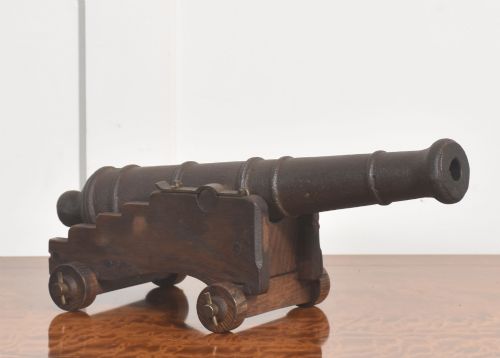
The objects most frequently met on this page include cast iron cannons mounted on wooden carriages, miniature stoves, and various stationary steam engine models from British, German, and French makers. Such items reflect the intense mechanical innovation of the nineteenth and early twentieth centuries, constructed to demonstrate technology or serve as decorative sculptures.
Materials and construction
The primary construction relies heavily on cast iron, often combined with brass, steel, and bronze components to articulate moving parts or decorative trims. Wooden elements such as oak appear frequently as bases or carriages for artillery and machinery models.
Makers utilised traditional foundry and metalworking techniques, sometimes employing scratch built methods for bespoke engineering demonstrations or patent submissions. Surface patination develops naturally over time on these metal surfaces, preserving the original tool marks and assembly methods.
Antique Iron Model Retail Price Guide 2026
Typical asking prices for iron model among the pieces listed under this phrase on Sellingantiques today, from the lower quarter to the upper quarter. They describe what is for sale here now, not the wider market.
Someone spent countless hours meticulously filing raw iron into a miniature single-farrow plough, just to bring agricultural machinery down to the mantelpiece.
Assessing quality and fidelity
Quality in these models rests on the precision of the scaling and the mechanical fidelity of moving components, separating simple decorative items from working demonstration pieces. Finer examples exhibit crisp casting details, accurate proportions, and original integrated materials without modern replacement parts.
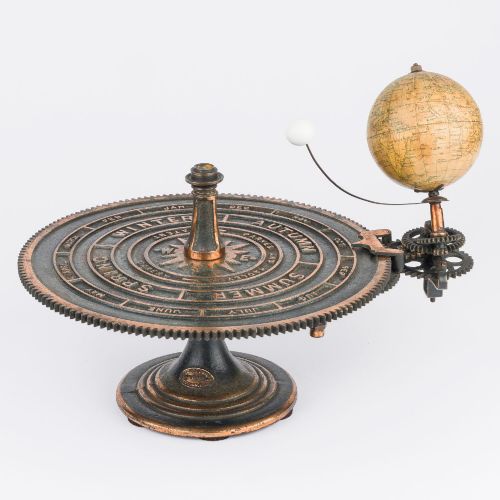
The sophistication of the mechanism, such as the complexity of a beam engine or the functional design of a patent orrery, dictates the distinction between standard decorative objects and high-status scientific instruments.
Parkes & Hadley·Singer·Max Kohl·CLARKSON
The Antique Iron Model Glossary
- Orrery
- A mechanical model of the solar system that illustrates relative positions and motions of the planets and moons. These scientific instruments were often driven by clockwork mechanisms.
- Signal cannon
- A small ordnance piece fired to signal times, start races, or salute occasions rather than for combat. They frequently feature heavy cast iron barrels mounted on timber carriages.
- Salesman sample
- A portable miniature version of a domestic or agricultural product utilised by travelling merchants to demonstrate goods to prospective buyers. These items are noted for their high level of functional detail.
- Beam engine
- A type of steam engine where a pivoting overhead beam transmits power between the vertical piston rod and a crank. Models of this configuration demonstrate foundational industrial power generation.
Antique Iron Model: Frequently Asked Questions
What is an antique iron model?
An antique iron model is a small-scale replica of machinery, artillery, architecture, or domestic items produced primarily during the nineteenth and early twentieth centuries.
These objects include stationary steam engines, signal cannons, agricultural ploughs, and patent demonstrators created for visual display or technical instruction.
How were these models used?
Many of these pieces served practical educational purposes, demonstrating steam power, mechanical principles, or astronomical movements in classrooms and lecture halls.
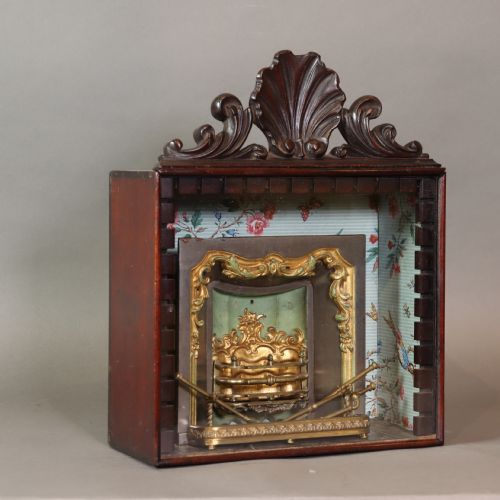
Others functioned as commercial samples for travelling salesmen, decorative fireplace ornaments, or functional signal pieces for maritime and estate use.
How do I date an iron model?
Dating relies on stylistic clues, manufacturing techniques, and technological context, spanning periods from Victorian industrial designs to 1920s scratch-built engineering.
Materials such as oak carriages, cast iron frames, and brass fittings often correspond to the prevailing manufacturing standards of specific decades.
Do these steam engine models still work?
Some demonstration and scratch-built engine models were engineered as functional working units with moving pistons, beams, and flywheels.
Operation depends entirely on the mechanical preservation of the individual piece and requires expert assessment before attempting any steam generation.