


Antique Iron Keys
These antique iron keys are heavy, forged pieces of domestic and structural metalwork that once secured chests, doors, and boxes.
Antique Iron Keys
When you search for antique iron keys, you encounter wrought iron and steel implements associated with padlocks, strongboxes, and heavy door locks. The examples span periods from the medieval centuries through the Georgian and Victorian eras, often accompanied by their original locks or iron hooks.
You are most likely to meet individual heavy specimens or groups mounted on rings, alongside related security hardware such as stock locks and chest padlocks. The range extends from early medieval pieces to nineteenth-century industrial hardware.
The objects serve as tangible fragments of domestic and institutional security, reflecting centuries of hand-forged metalwork and utilitarian design. Their forms vary from simple functional items to large, ornate pieces intended for customs houses or railway use.
How they were made
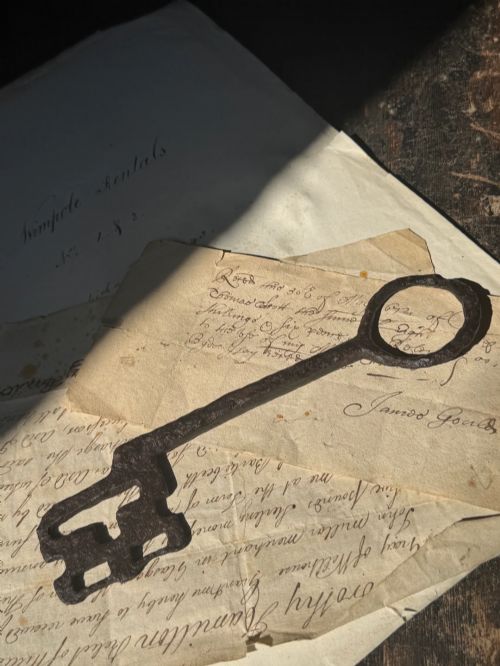
Blacksmiths forged these pieces from iron and steel using traditional anvil techniques, shaping the bows, stems, and bits by hand. Wrought iron predominates in the earlier examples, showing the fibrous grain and hammer marks typical of manual production.
Later Victorian and Edwardian items incorporate cast iron and sheet steel, reflecting the shift towards industrial manufacturing methods and standardised security mechanisms.
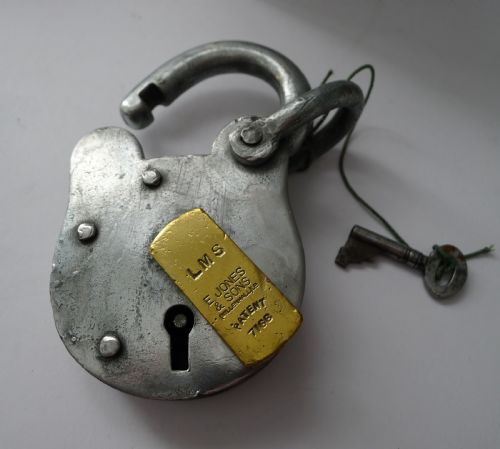
Railway companies once employed heavy padlocks and dedicated keys to secure luggage vans and lineside equipment against opportunistic pilfering.
What varies in quality
Quality rests in the crispness of the hand-filing on the bit and the proportional balance of the bow and stem. Earlier medieval and Tudor specimens display fluid, confident forging that elevates a utilitarian tool into a sculptural object.
Condition and originality dictate desirability, particularly when an iron key retains its matching padlock, stock lock, or original surface oxidation rather than heavy modern pitting.
Milners of Liverpool·George Price
The Antique Iron Keys Glossary
- Bow
- The loop at the end of the handle by which the key is turned or held. This part often carries the distinctive decorative style of a period.
- Bit
- The profile of projections and notches at the opposite end of the key that engages the levers or wards within a lock. Complex filing on this part denotes higher security.
- Wrought iron
- A tough, malleable iron form produced by hammering hot metal, recognizable by its fibrous texture. It forms the primary material of early keys.
- Stock lock
- A heavy mechanical lock housed within a wooden block or case, frequently paired with robust iron keys in Georgian and Victorian settings.
- Padlock
- A portable lock with a shackle that can be opened, used with a key to secure gates, chests, and railway equipment.
Antique Iron Keys: Frequently Asked Questions
How old are these iron keys?
The dating spans from pre-sixteenth century medieval examples up to early twentieth-century industrial pieces.
Most items align with Georgian, Victorian, and Edwardian periods, matching the era of the chests and padlocks they secured.
Do antique keys still work in old locks?
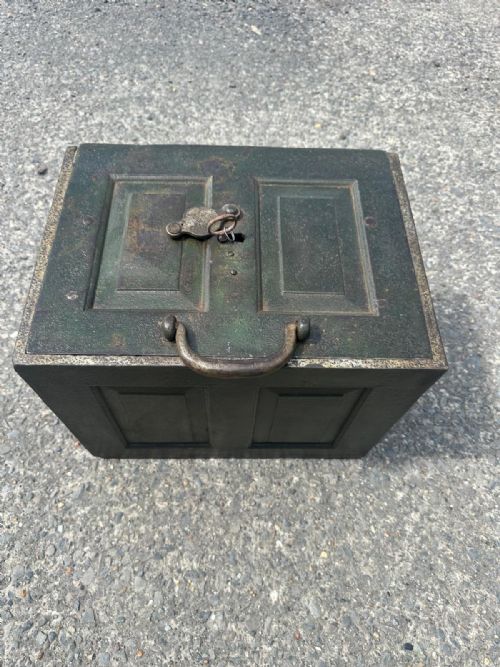
Many keys sold alongside box locks, chest safes, and padlocks remain in working order.
However, functionality depends on whether the mechanism retains its original internal wards and levers.
What materials were used to make them?
Blacksmiths and manufacturers primarily utilised wrought iron, cast iron, and steel across different eras.
Some specimens are accompanied by brass components or mounted on oak and walnut boards and hooks.
How should I display antique iron keys?
Collectors often mount heavy iron keys on wrought iron hooks, wooden racks, or boards to showcase their profiles.
Keeping them in a dry environment preserves the historic surface metal and prevents active oxidation.