



Antique Irish Cutlery
Antique irish cutlery offers substantial sterling silver form and historic Dublin craftsmanship, rewarding collectors who value period table service.
Antique Irish Cutlery
Materials and construction
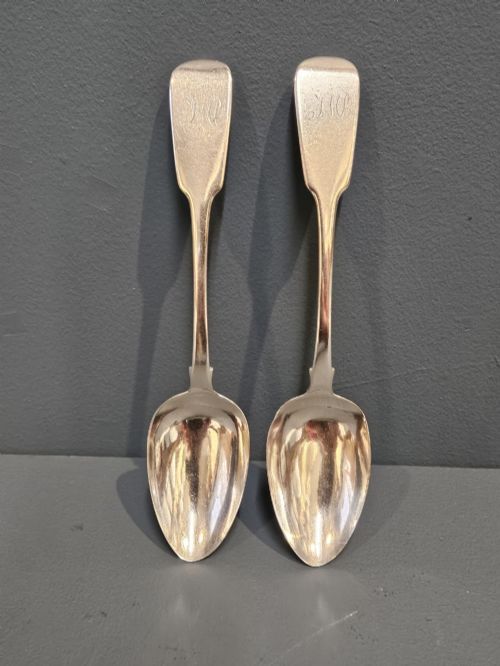
Makers utilised sterling silver as the primary material for these implements, shaping handles into specific regional patterns such as Celtic point, hook end, and fiddle pattern. Cases lined with velvet and silk occasionally house these silver pieces, protecting them from tarnishing and wear.
Dublin workshops forged these utensils by hand, hammering sterling silver into balanced service spoons, fish slices, and marrow scoops. The metal received crisp crest engravings and hallmarks that identify the working silversmith and the year of assay.
Antique Irish Cutlery Retail Price Guide 2026
Typical asking prices for irish cutlery among the pieces listed under this phrase on Sellingantiques today, from the lower quarter to the upper quarter. They describe what is for sale here now, not the wider market.
Listings span the eighteenth century, the nineteenth century, and the year eighteen hundred, featuring sterling silver alongside fitted velvet and silk linings.
Assessing quality
Quality rests in the preservation of original hallmarks, the crispness of engraved crests, and the weight of the sterling silver. Pieces retaining their structural integrity and sharp handle details command greater attention from discerning collectors.
The presence of fitted cases lined in velvet or silk adds distinction to matched pairs or sets. Superior items demonstrate careful execution by named makers such as John Pittar or John Craig without excessive smoothing from past polishing.
John Pittar·John Craig·Edward Power·John Locker
The Antique Irish Cutlery Glossary
- Sterling silver
- A silver alloy containing ninety-two point five percent silver by mass, forming the durable base of these utensils. This standard ensures the metal withstands centuries of table use while maintaining polish.
- Fish slice
- A flat, pierced server utilised for portioning fish dishes at the table. These implements display decorative piercing and solid sterling silver construction.
- Celtic point
- A tapered handle shape ending in a distinct sharp point, typical of Georgian Irish silver. This style provides a refined outline to dessert spoons and table silver.
- Fiddle pattern
- A nineteenth century handle design featuring shoulders above a widening stem. This popular form appears on George IV silver fish slices.
Antique Irish Cutlery: Frequently Asked Questions
What periods do these silver items represent?
These pieces date primarily from the eighteenth and nineteenth centuries, spanning the Georgian era and the year eighteen hundred. The inventory includes examples from seventeen fifty through to eighteen twenty-seven.
Assay office records and stylistic markers help establish these specific production windows. Collectors use these chronological benchmarks to build coherent dining collections.
How were basting spoons used?
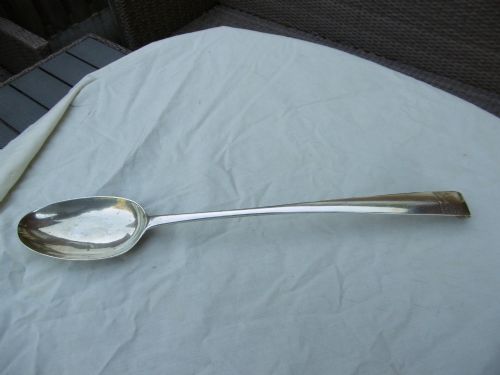
Basting spoons served to scoop pan juices and gravy over roasting meats during preparation and table service. Their generous length kept hands away from heat.
These large sterling silver utensils remain among the most substantial items found in period dining sets. Their robust construction suited demanding kitchen and dining room tasks.
What is a marrow scoop?
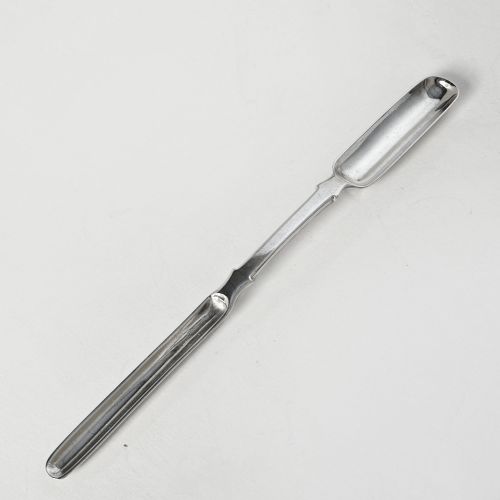
A marrow scoop is a specialised elongated utensil shaped to extract marrow from animal bones at the dinner table. The double-ended design accommodated different bone sizes.
These slim silver implements reflect the detailed requirements of eighteenth and nineteenth century dining habits. They represent a specific form within regional silver production.
How do I identify Dublin silver?
Dublin silver bears specific assay office marks alongside the silversmith's punch and date letters. These stamped details confirm the Irish origin of the piece.
Catalogues and maker records assist in verifying the exact year of production and the craftsman responsible. Examining these punches is essential for proper attribution.