

Antique Instrument
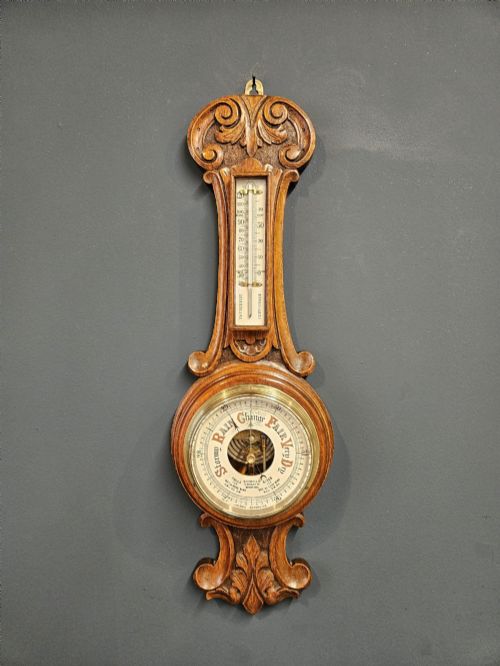
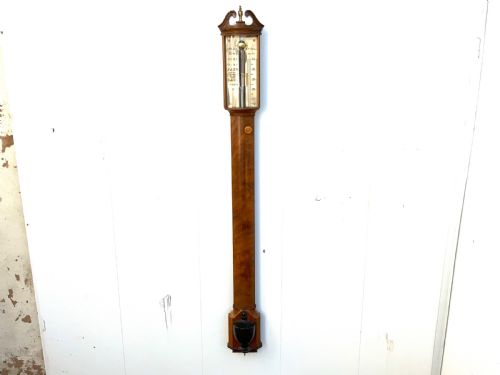
An antique instrument brings practical science and maritime utility into a room through brass, mahogany, and glass.
Antique Instrument
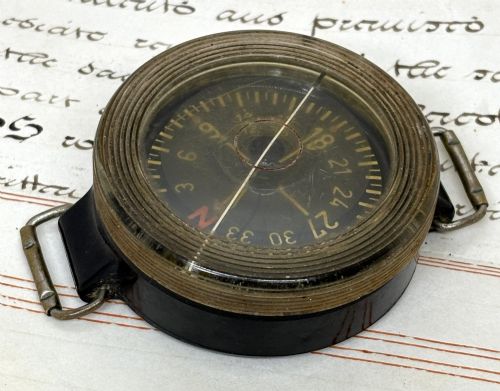
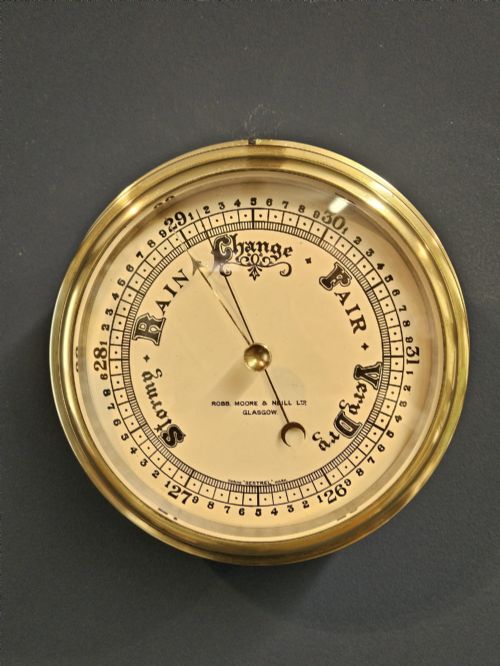
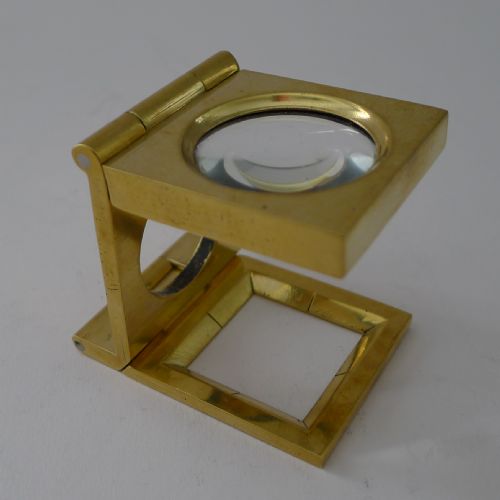
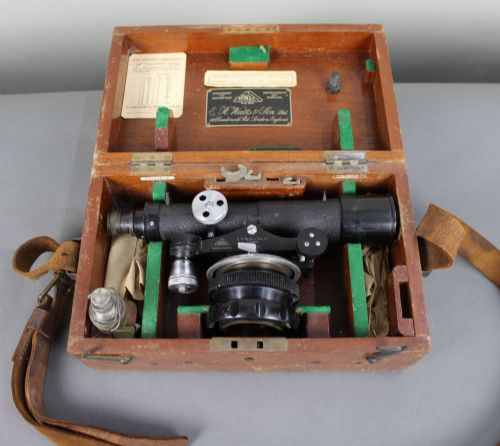
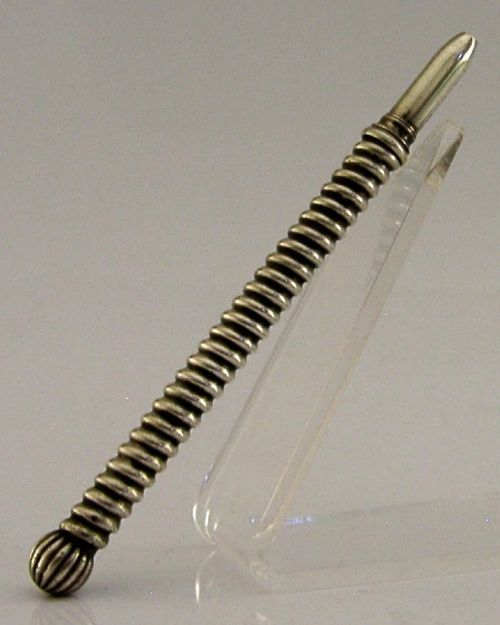
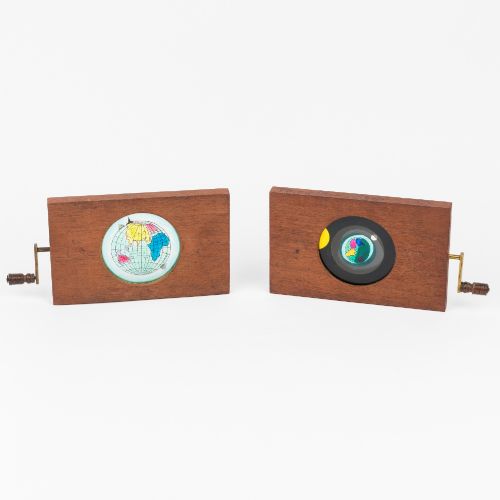
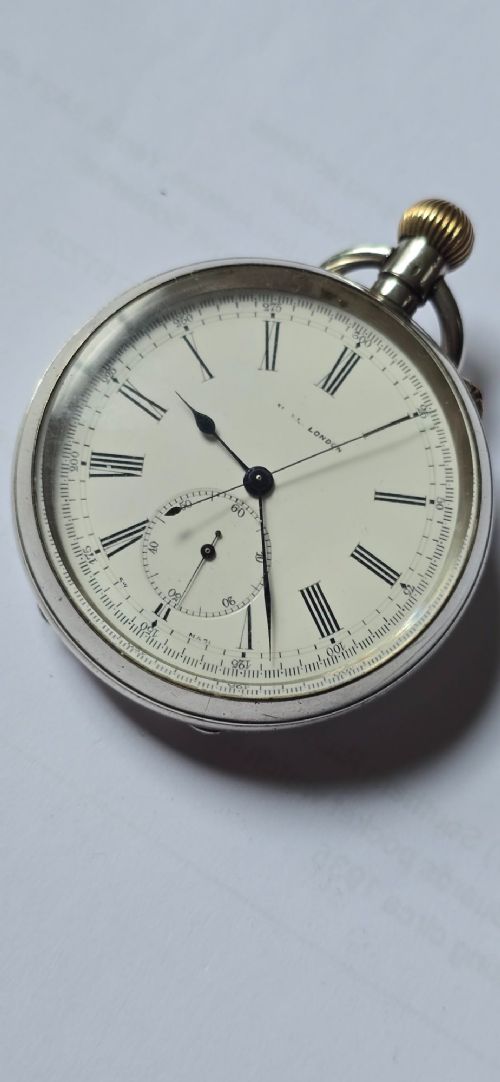
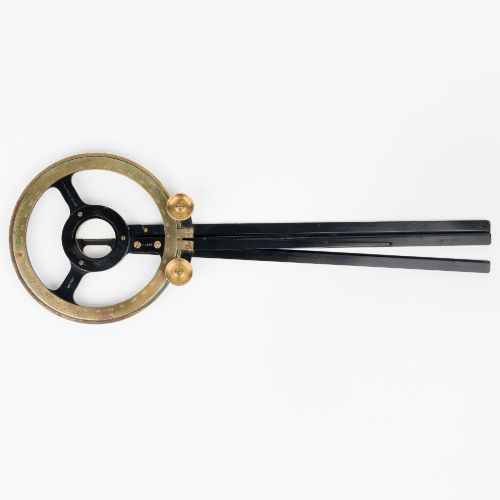
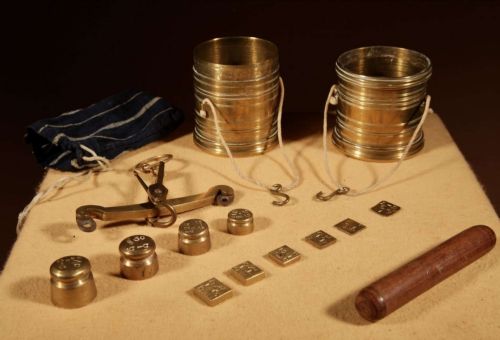
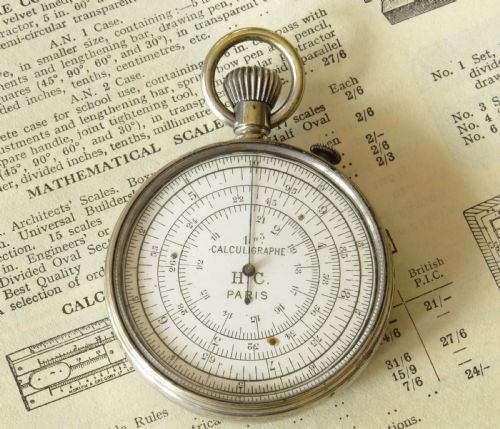
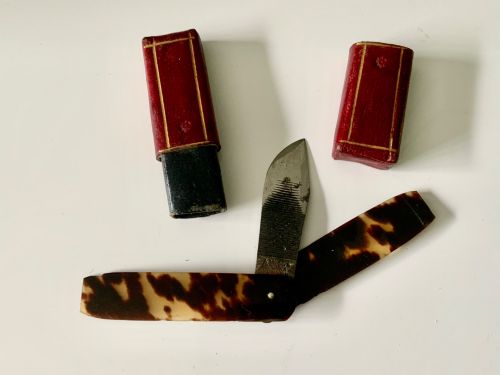
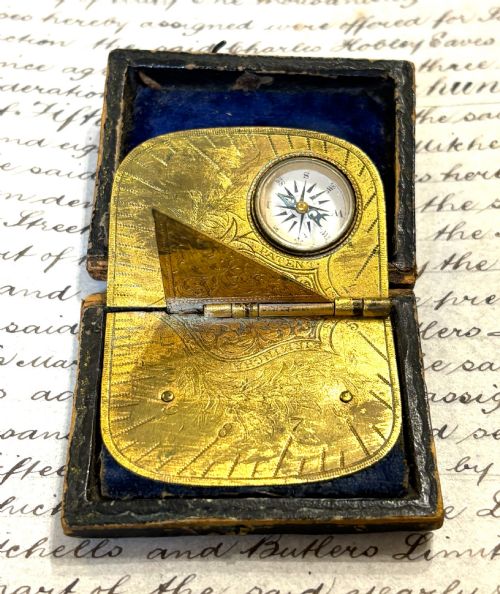
An antique instrument covers a wide field of scientific, maritime, and surveying apparatus originating primarily from the nineteenth and twentieth centuries. Buyers searching this phrase encounter barometers, telescopes, compasses, and calculating tools designed for navigation, observation, and measurement. The selection spans scientific instruments, barographs, and pocket sundials from periods including the Victorian and Edwardian eras.
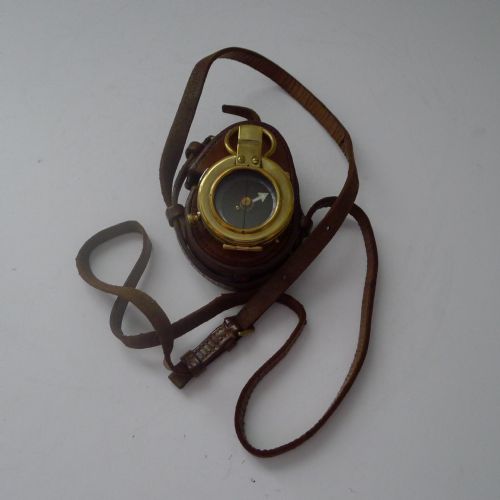
Most pieces seen on this page reflect practical nineteenth-century and early twentieth-century manufacturing, ranging from household weather-recording barometers to military compasses and drafting aids. Scientific instruments of this type combine utility with decorative craftsmanship, using timber cases and fitted brass mountings to survive active use. These surviving items offer a direct connection to historical navigation, meteorology, and field surveying.
Materials and construction methods
Makers built these pieces primarily using solid brass for dials, mountings, and moving components, paired with seasoned hardwoods such as mahogany, oak, and satinwood for protective cases. Glass appears in bevelled panels for barographs and barometer faces, protecting delicate scales and mercury or aneroid movements. Leather often lines fitted storage boxes, while steel provides durable springs and needles for compasses and measuring devices.
Assembly relied on precise hand-fitting of gears, graduated scales, and lens assemblies, with engraved markings filled with dark wax for legibility. Woodwork involved traditional joinery, turning, and French polishing to produce stable housings capable of enduring field conditions at sea or on land. Metal components received hand-polished finishes or protective lacquering to resist tarnishing during daily operation.
Listings demonstrate a strong presence of nineteenth-century brass barometers and surveyor's compasses alongside Edwardian timepieces and oak-cased barographs.
Distinctions in quality and execution
The degree of original completeness also determines standing, with top-tier pieces retaining matching fitted boxes, auxiliary lenses, and original paperwork or mercury tubes. Construction details such as hand-cut dovetails in oak cases and finely milled adjustment screws indicate superior workshop standards.
E.R. Watts & Son Ltd·Nairne & Blunt·John Browning·De Grave Short & Co·R & J Beck Ltd·P. Orr·Andreas Vogler
The Antique Instrument Glossary
- Barograph
- A self-recording aneroid barometer that traces atmospheric pressure variations onto a revolving paper chart. It usually sits within a mahogany or oak case fitted with bevelled glass panels.
- Theodolite
- A precision surveying instrument used for measuring horizontal and vertical angles. It mounts on a tripod and employs telescopic sights with fine adjustment screws.
- Sextant
- A navigational instrument used to measure the angle between an astronomical object and the horizon. It relies on an arc marked in degrees and a system of mirrors.
- Orrery
- A mechanical model of the solar system that illustrates the relative positions and motions of the planets. It utilises clockwork gearing to drive spheres representing celestial bodies.
- Spectroscope
- An optical instrument used to disperse light into its component wavelengths for spectral analysis. It incorporates prisms and fine slits housed in brass barrels.
Antique Instrument: Frequently Asked Questions
What is a barograph used for?
A barograph records continuous atmospheric pressure onto a rotating paper drum over the course of a week. This allows observers to track weather trends visually without constant manual readings.
Most examples feature an aneroid mechanism housed in an oak or mahogany case with bevelled glass to protect the delicate linkage arms.
How do I date an antique brass compass?
Dating relies on style markers, military broad arrow stamps, or maker signatures engraved on the dial face or inside the lid. Typography and case materials also shift from heavy Victorian brass to lighter twentieth-century aluminium alloys.
Patent dates and specific workshop addresses listed in the maker's inscription narrow down the active production window.
Are these scientific instruments still accurate?
Many barometers and compasses retain functional accuracy after gentle calibration, though they served primarily as working tools rather than laboratory-grade standards today. Mechanical wear in gears and changes in magnetic declination over decades affect precise readings.
Collectors treat them primarily as historical artefacts rather than reliable modern navigational instruments.
How should I clean mahogany barometer cases?
Mahogany cases require gentle dusting with a dry lint-free cloth to protect the original polished finish and any delicate carved mouldings. Avoid modern liquid polishes or silicone sprays, which accumulate in grain crevices and degrade old shellac.
Feed dry wood occasionally with a sparing application of traditional beeswax applied with soft cloth.