
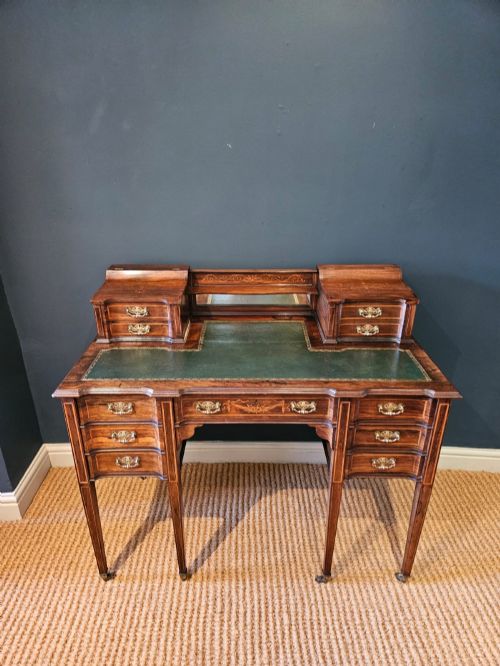
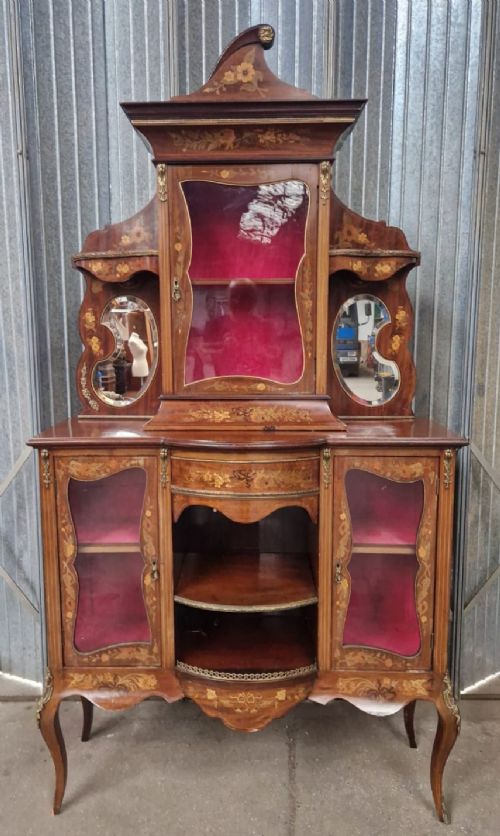
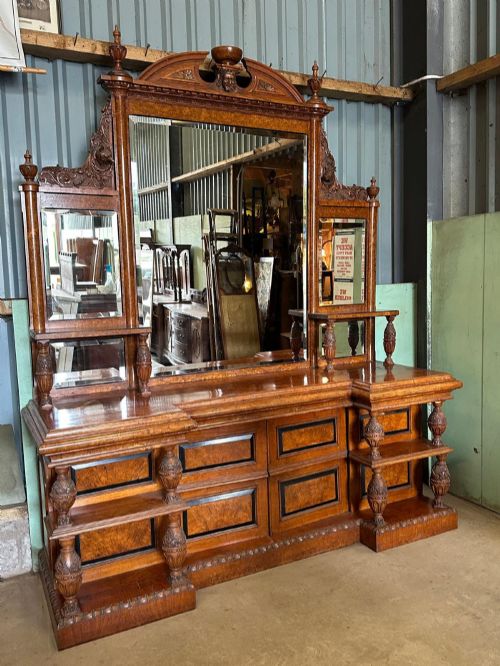
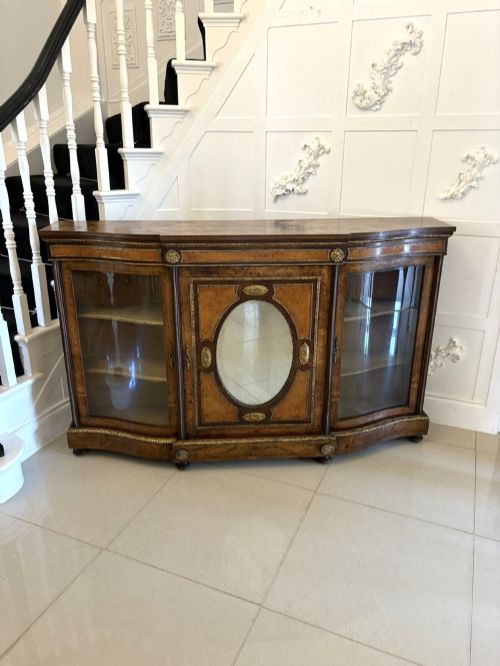
Antique Inlay Mirror
An antique inlay mirror brings together centuries of timbercraft and reflective glass, offering intricate decorative detail that transforms a plain wall.
Antique Inlay Mirror
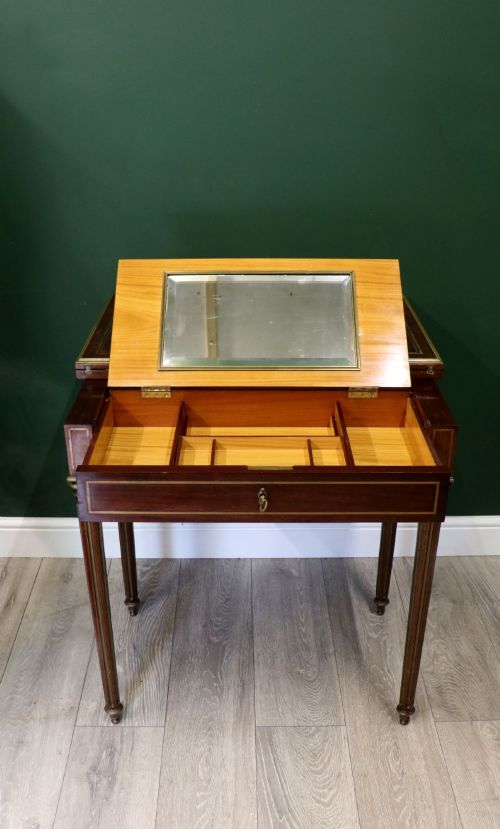
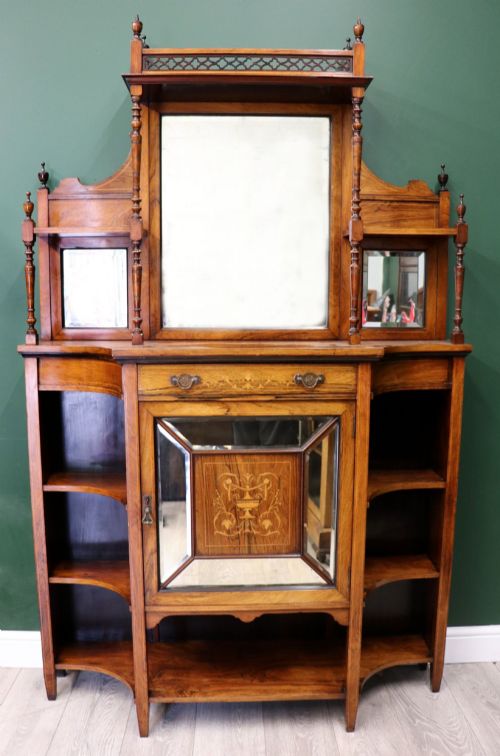
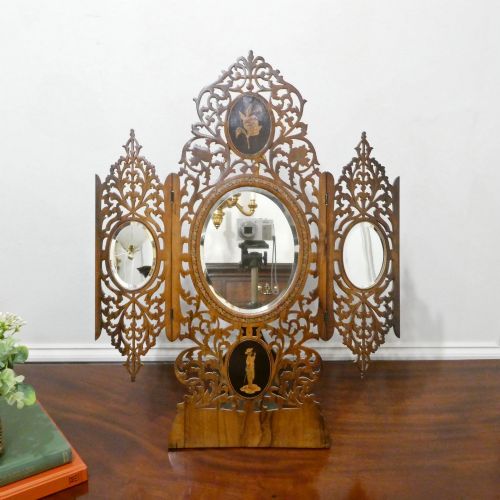
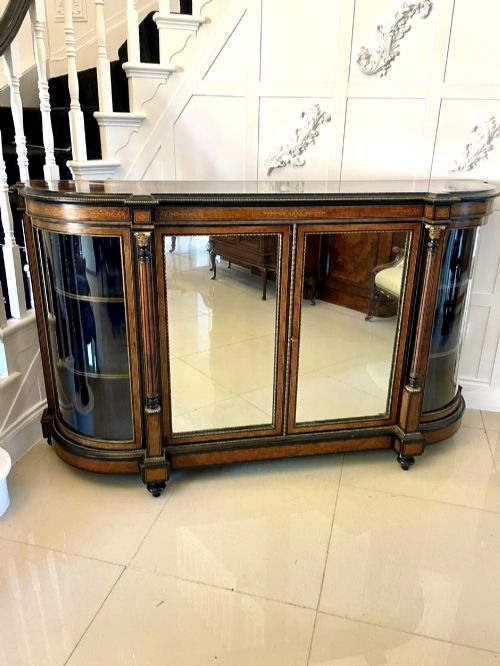
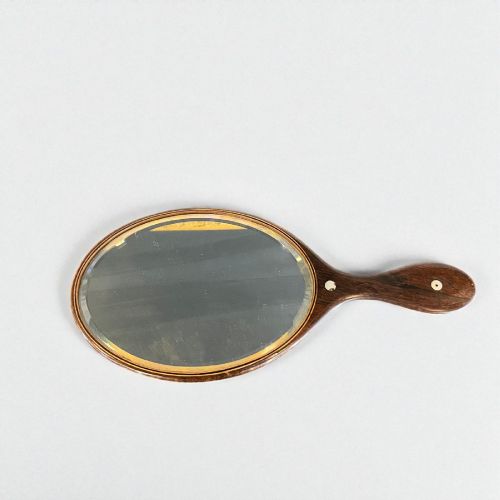
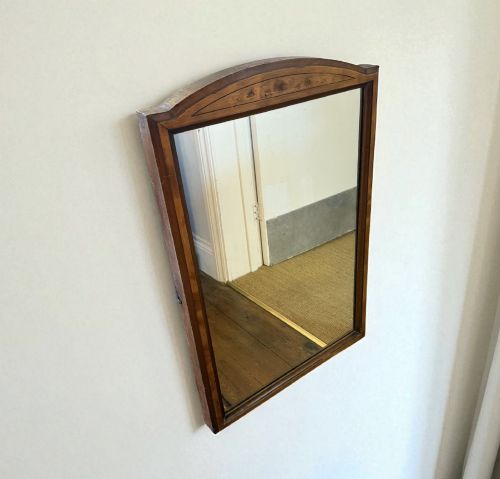
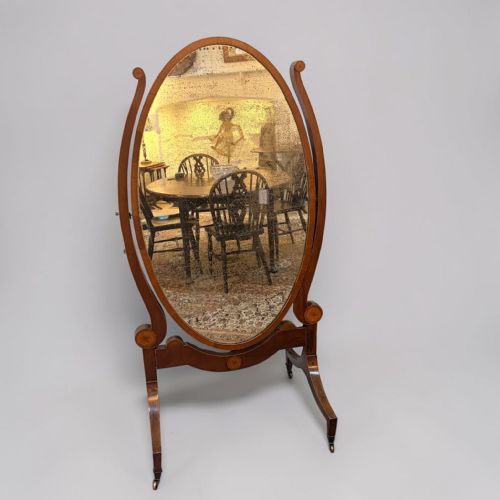
When you search for an antique inlay mirror, you encounter everything from wall-hanging frames to large floor-standing cheval glasses and dressing table furniture. The selection spans the Victorian and Edwardian periods, alongside Georgian, Regency, and eighteenth-century examples.
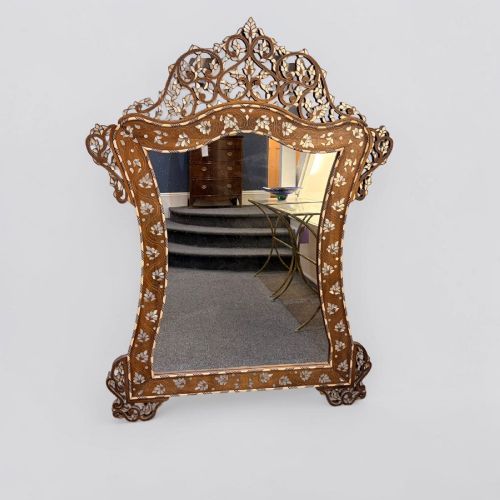
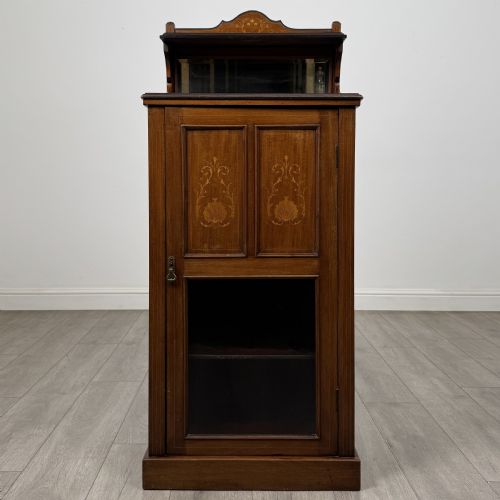
The regional variety is substantial, ranging from British mahogany and satinwood pieces to Anglo-Indian, Syrian, Spanish Colonial, and Chinese Qing works. Wall mirrors and mirror-backed cabinets dominate the forms, often integrating shelving or swing mechanisms.
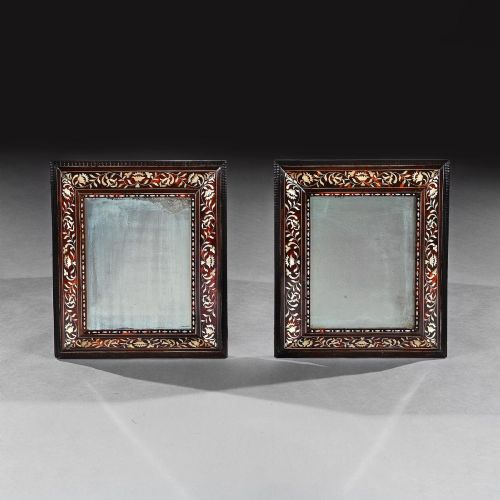
Most pieces date from the nineteenth and early twentieth centuries, constructed in workshops across Europe, Asia, and the Americas. The decorative surface patterns utilise contrasting woods, brass, tortoiseshell, and mother-of-pearl.
Materials and Technique
Cabinetmakers constructed the frames using dense hardwoods such as mahogany, rosewood, walnut, satinwood, and oak. These timbers provided a stable foundation for intricate surface decoration.
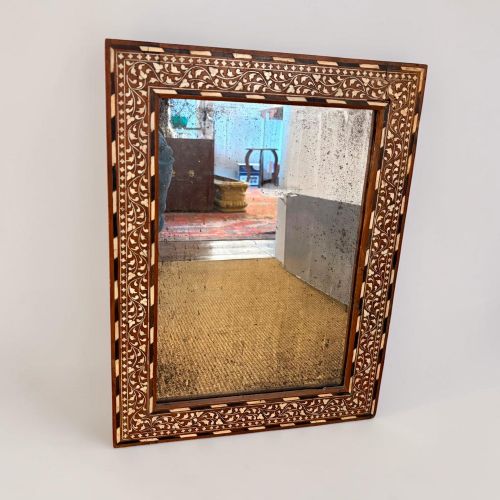
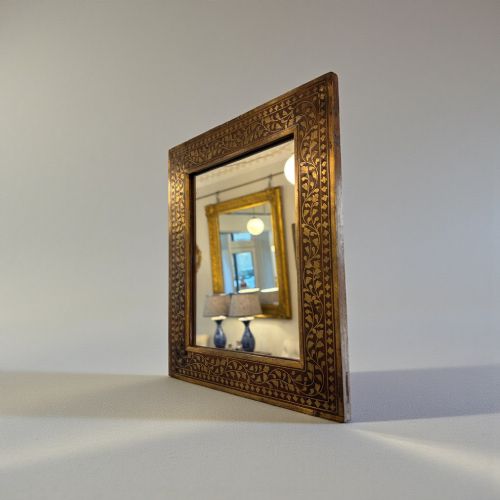
Craftsmen inlaid contrasting materials into recessed channels within the wood, utilising lighter veneers, brass wire, mother-of-pearl, and bone. Surfaces were then polished by hand to highlight the natural grain alongside the crisp geometry or floral curves of the inlay.
Listings feature woods including mahogany, rosewood, walnut, satinwood, and oak, alongside mother-of-pearl and brass inlay.
Craftsmanship and Execution
Quality rests in the precision of the inlay work and the selection of the timber veneers. Finer pieces display tight, seamless joints where the contrasting materials meet the primary wood, without excessive filler or gaps.
The integrity of the frame construction and the depth of the hand-carving or polishing separate standard production items from master workshops. Original mercury or early silvered mirror glass, showing appropriate ageing, adds to the authenticity of the piece.
Edwards and Roberts·Gillows·Shapland and Petter
The Antique Inlay Mirror Glossary
- Cheval mirror
- A freestanding full-length mirror mounted on a vertical swivel frame between two upright posts. This form allows the glass to tilt to various angles.
- Marquetry
- The art of applying veneer pieces in pictorial or geometric patterns to a structural background. Artisans cut various woods and materials to fit tightly together.
- Pier mirror
- A tall mirror designed specifically to hang on the wall space between two windows. They often sat above matching console tables or piers.
- Satinwood
- A durable, yellowish tropical hardwood prized for its reflective sheen and smooth texture. It served extensively as a contrasting veneer in late nineteenth-century inlay.
- Compactum
- A large fitted wardrobe or combination closet containing compartments, hanging space, and drawers. These pieces often incorporated full-length mirrored doors.
Antique Inlay Mirror: Frequently Asked Questions
How do I date an antique mirror?
Dating relies on examining the construction methods of the wooden frame, the type of screws or fixings used, and the characteristics of the glass plate. Hand-beveled edges and backboards provide clear clues to the manufacturing era.
Secondary indicators include the style of the inlay motifs and any makers' stamps or labels pressed into the wood.
Can I replace the mirror glass?
Original glass often displays silver degradation, foxing, or slight distortion, which many collectors prefer to retain for authenticity. Replacing the plate is possible if the glass is broken beyond repair.
Retaining the original backing timber and securing the new glass carefully preserves the structural integrity of the historic frame.
How should I clean inlaid wood?
Dust the surface regularly with a soft, dry cloth to prevent dirt from settling into the fine gaps around the inlay materials. Avoid modern chemical sprays or excessive water.
Apply a traditional beeswax polish sparingly and buff gently to maintain the protective sheen on the hardwood and delicate veneers.
Where should I hang these mirrors?
Wall-hanging mirrors suit hallways, living rooms, and bedrooms, where they reflect natural light and create a sense of expanded space. Ensure the wall fixings match the substantial weight of hardwood and glass frames.
Freestanding cheval and dressing mirrors require stable flooring and placement away from direct, harsh sunlight to protect the wood and polish.