

Antique Inlay Chest
An antique inlay chest brings rich timber surfaces and precise craftsmanship into a room, offering both generous storage and distinct period character.
Antique Inlay Chest
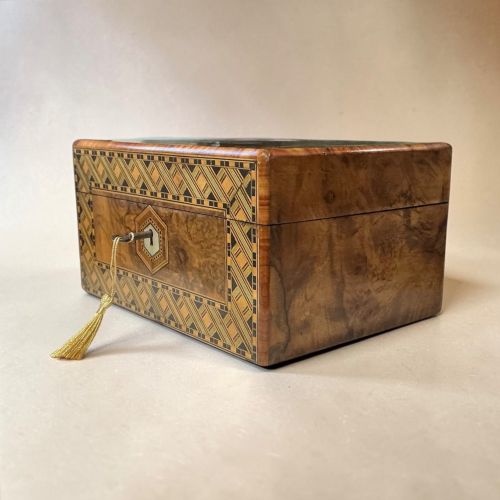
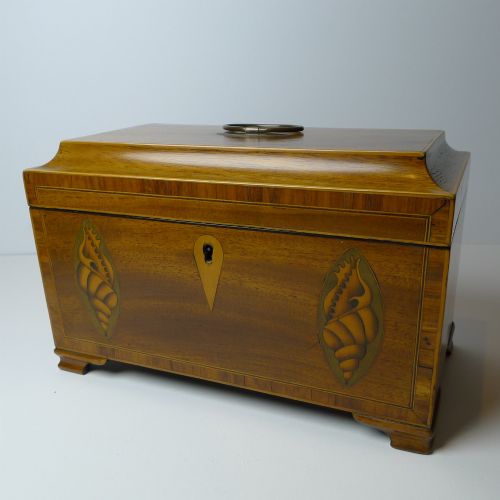
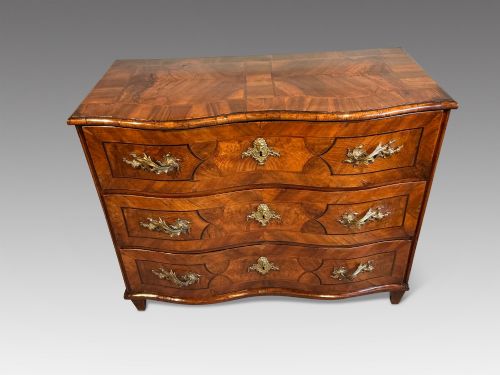
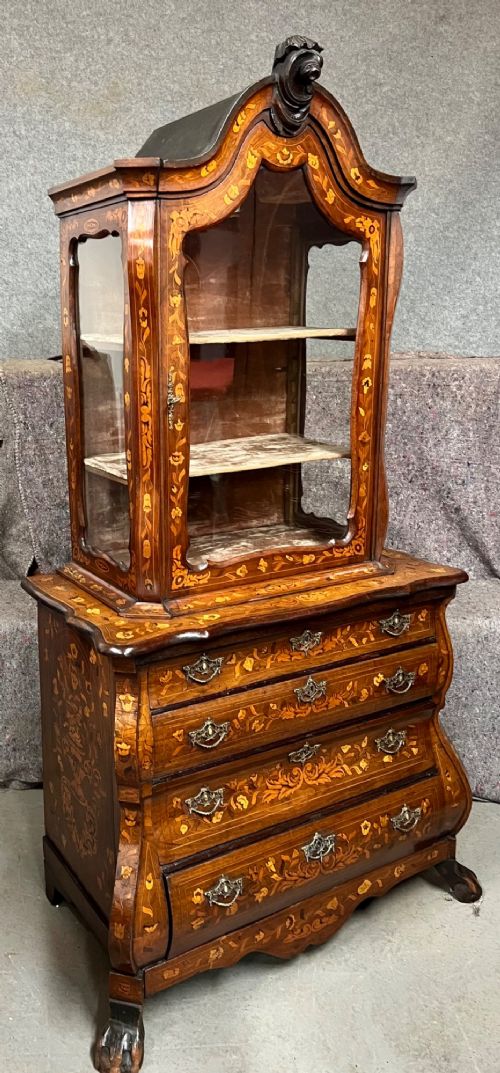
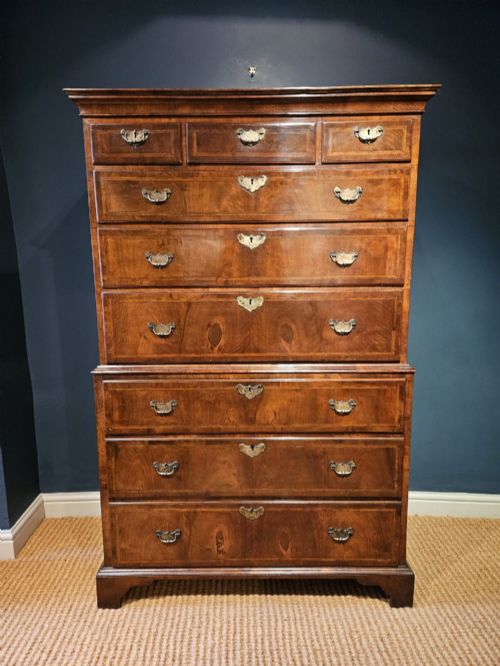
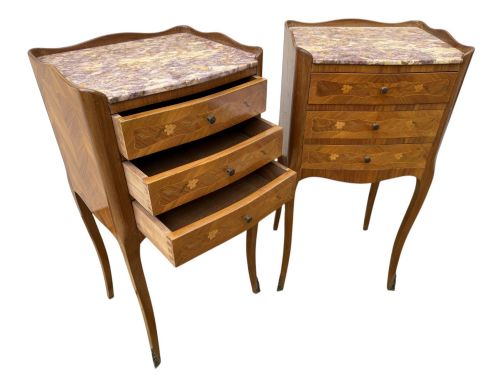
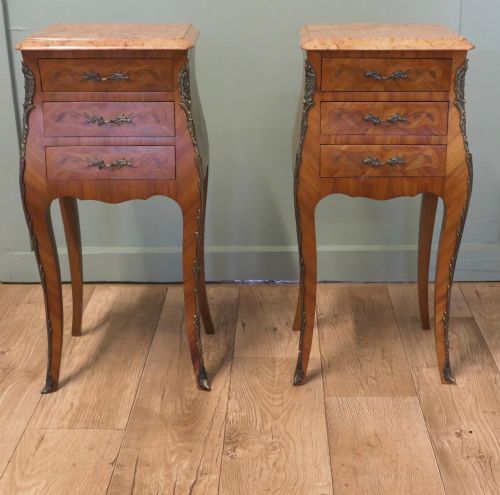
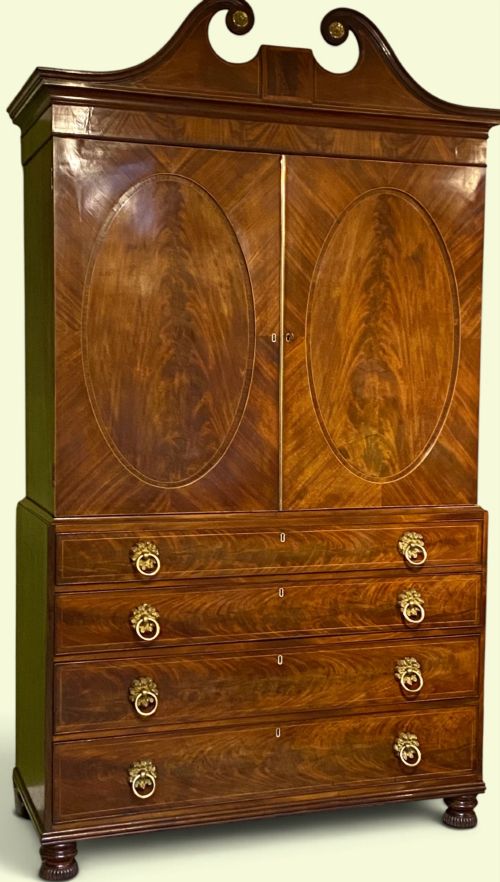
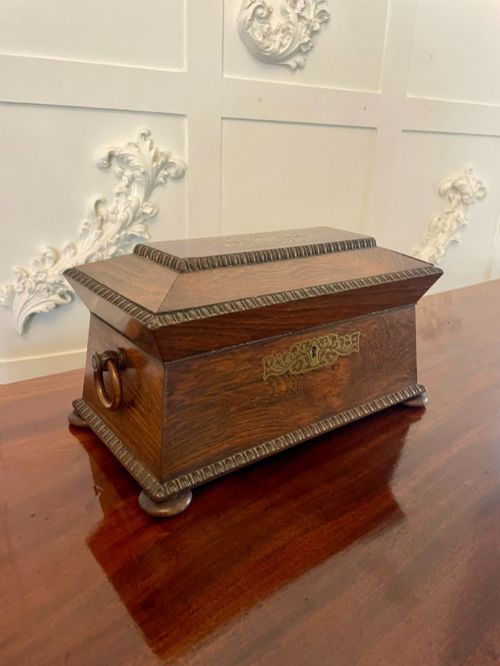
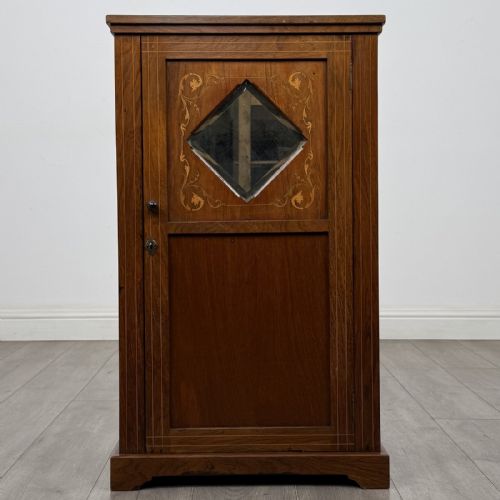
When you search for an antique inlay chest, you encounter a variety of forms spanning multiple centuries, from Georgian mahogany chests of drawers to elaborate Dutch walnut marquetry cabinets and smaller commodes. The pieces range from standard drawer configurations to bureau bookcases, bedside cabinets, and specialised storage boxes.
The material selection visible across these examples incorporates walnut, mahogany, fruitwood, satinwood, and burr walnut, often enhanced with contrasting stringing or floral designs. Stylistic influences stretch from William and Mary and Georgian periods through to Edwardian interpretations and continental Baroque and Rococo revivals.
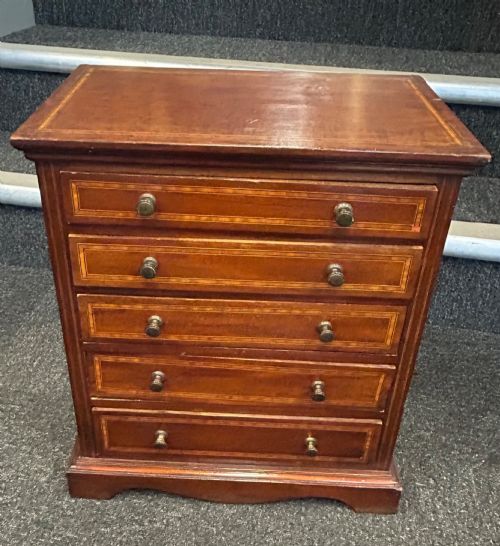
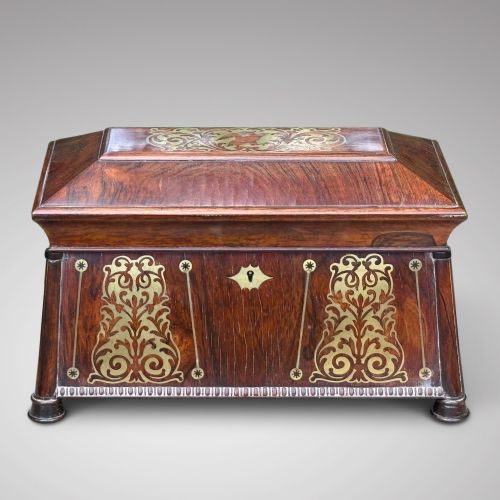
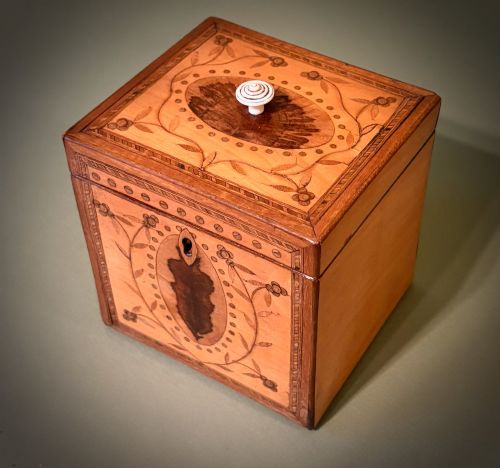
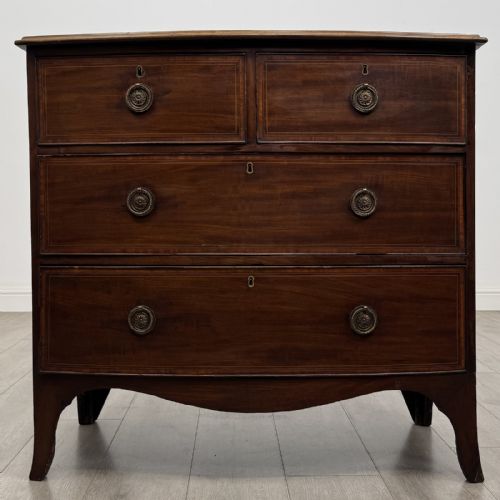
The most common versions met on this page are mahogany and walnut chests of drawers from the Georgian and Edwardian eras, frequently featuring linear inlay or bracket feet. Alongside these standard drawer units appear specialised items such as linen trunks, commodes, and small tabletop boxes utilising similar decorative surface techniques.
How they were made
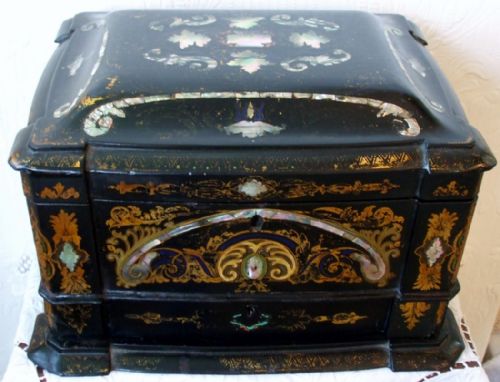
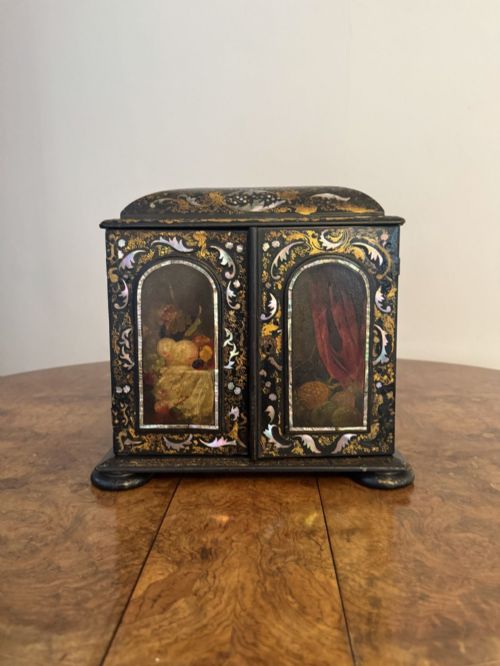
Cabinet makers utilised solid timbers and applied veneers over secondary woods, selecting figured grains such as burr walnut, flame mahogany, and satinwood to create visual contrast on drawer fronts and top panels. Marquetry designs were painstakingly cut from thin sheets of various wood species, fruitwoods, and occasionally bone or mother of pearl, then fitted flush into the primary surface.
Inlay work often incorporated fine stringing lines in contrasting light and dark timbers to frame panels, drawer edges, and borders. Structural elements relied on traditional joinery methods appropriate to each period, including dovetailed drawer construction and framed carcases designed to accommodate seasonal wood movement without splitting the decorative veneer.
Antique Inlay Chest Retail Price Guide 2026
Typical asking prices for inlay chest among the pieces listed under this phrase on Sellingantiques today, from the lower quarter to the upper quarter. They describe what is for sale here now, not the wider market.
Listings include eighteenth-century pieces featuring floral marquetry alongside Edwardian mahogany examples with linear inlay.
What varies in quality
The level of precision in the marquetry cutting and the choice of timber figure largely determine the distinction between standard examples and finer works. Pieces featuring complex floral compositions, dense burr walnut, or specialised pictorial inlay require advanced skill and command greater visual impact.
Secondary detailing such as original brass hardware, well-figured drawer linings, and the crispness of edge moulding indicate higher standards of original manufacture. The integration of the inlay into the surrounding wood surface without excessive filler or misalignment demonstrates the mastery of the workshop.
Thomas Hache of Grenoble
The Antique Inlay Chest Glossary
- Marquetry
- Decorative veneer work forming pictures or patterns using various woods, metals, or other materials. This technique transforms a plain wooden surface into a pictorial display.
- Bombe
- A bulging, outward-curving swell on the front and sides of a piece of furniture. This curved profile requires specialised shaping of both the internal carcase and external veneers.
- Commode
- A low chest of drawers or cabinet, typically of French origin. These pieces often feature marble tops and extensive marquetry decoration.
- Stringing
- Thin strips of contrasting wood inlaid into grooves on a furniture surface to create linear borders. It provides a neat outline to drawer fronts and tabletops.
- Serpentine
- A furniture front or edge shaped with a central convex curve flanked by two concave curves. The flowing contour adds movement to the piece.
Antique Inlay Chest: Frequently Asked Questions
What is an antique inlay chest?
An antique inlay chest is a storage piece constructed from timbers like mahogany, walnut, or fruitwood, decorated with contrasting wood veneers, marquetry patterns, or linear stringing.
These items range from large chests of drawers and commodes to smaller cabinets and trunks produced across the seventeenth, eighteenth, nineteenth, and early twentieth centuries.
How do I care for an inlaid wooden chest?
Keep inlaid furniture away from direct sunlight and extreme temperature fluctuations to prevent the delicate veneers and stringing from drying out or lifting.
Apply traditional wax polish sparingly and buff with a soft cloth to maintain the timber finish without damaging the flush surface of the marquetry.
How can I tell the period of a chest?
Dating relies on examining the construction methods, secondary woods, hardware, and stylistic details such as bracket feet, cornice designs, and the complexity of the inlay work.
Georgian pieces often display clean classical lines and mahogany or walnut construction, while Edwardian versions frequently utilise lighter satinwood details on mahogany carcases.
Where were these chests used originally?
These pieces served practical storage functions in bedrooms, living parlours, hallways, and formal reception rooms of period homes.
Larger chests held clothing and linens, while specialised forms like bureau bookcases or tabletop boxes managed documents, writing materials, and valuables.