
Antique Inlay Box
An antique inlay box brings tactile warmth and precise geometry to a room, holding small treasures with timeless composure.
Antique Inlay Box
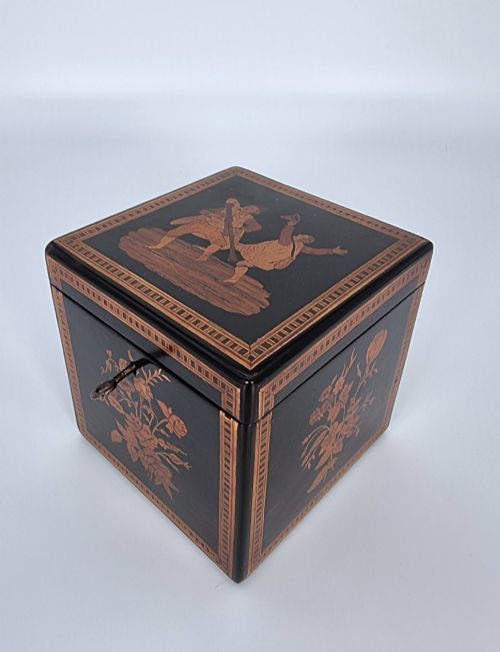
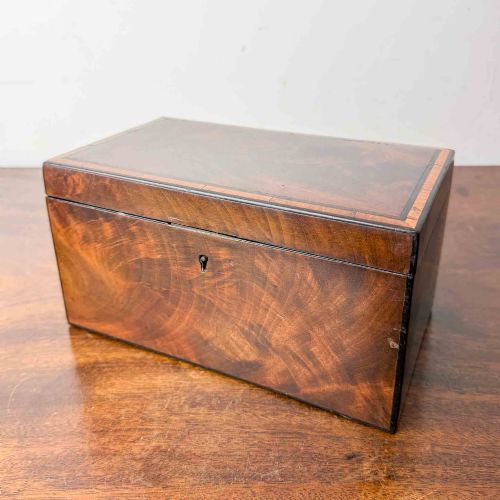
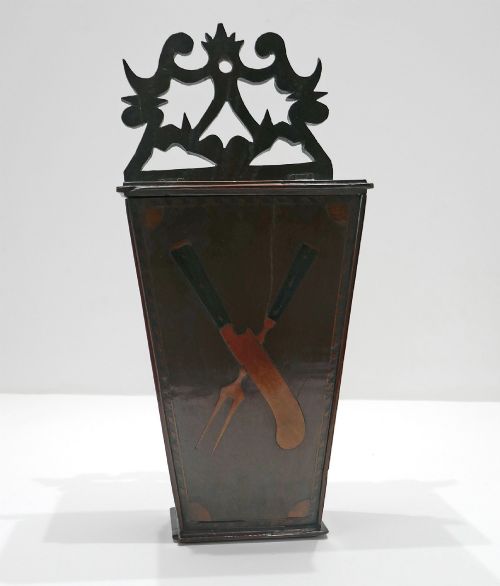
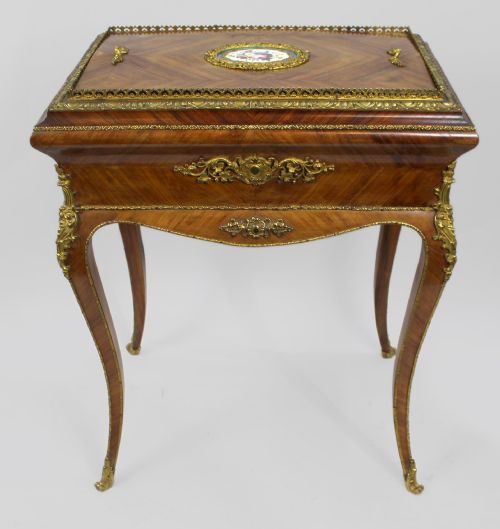
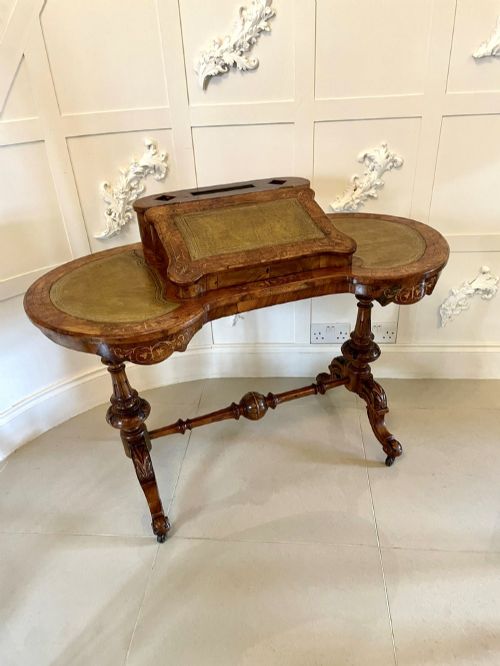
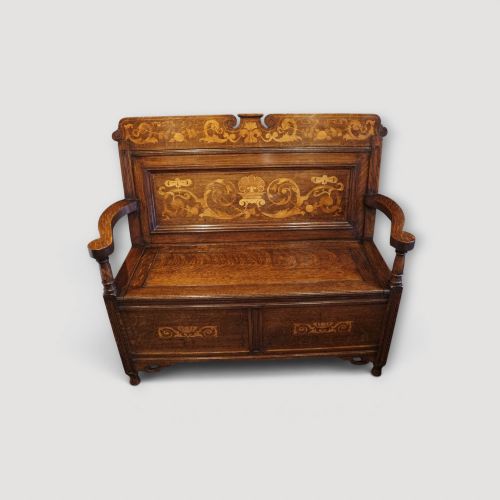
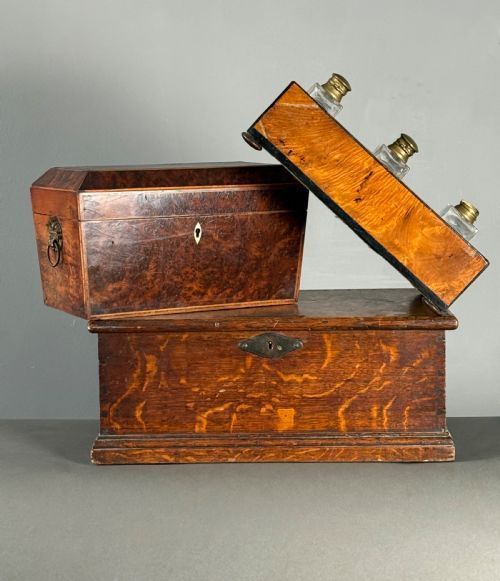
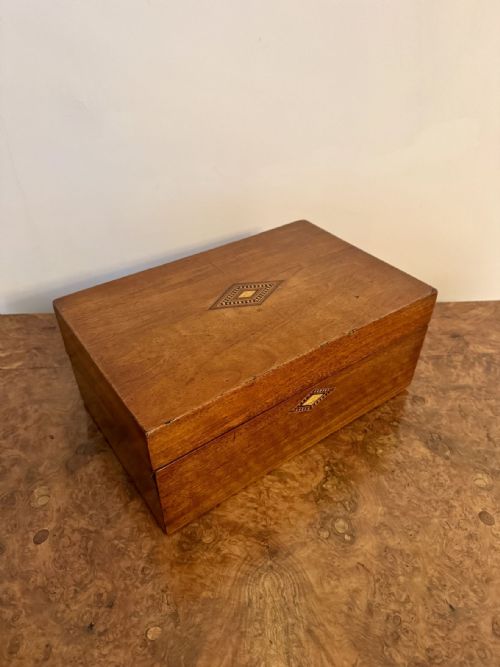
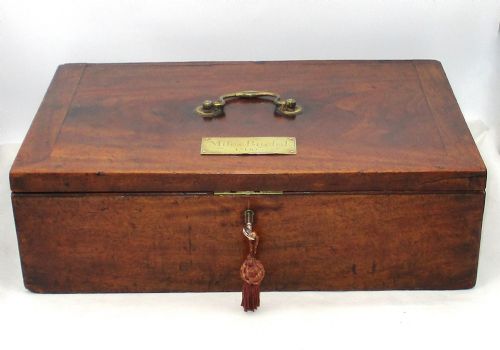
The version most commonly met on this page is the nineteenth-century mahogany or walnut box, often featuring geometric boxwood and ebony stringing, or elaborate brass cartouches. Tea caddies and writing slopes dominate the forms, reflecting the social rituals of past centuries.
Materials and construction
Cabinet makers utilised dense hardwoods such as mahogany, rosewood, walnut, and satinwood for the primary structure, providing a stable foundation that resisted warping. Surfaces received decorative veneers and contrasting strips of boxwood, ebony, or fruitwoods.
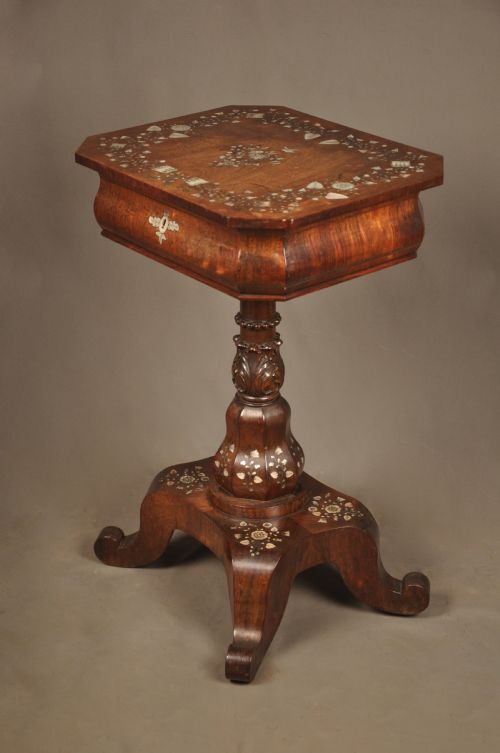
Artisans also embedded brass, mother-of-pearl, and bone into recesses carved directly into the timber. Once glued and dried, the entire exterior was scraped and polished to create a completely smooth tactile surface.
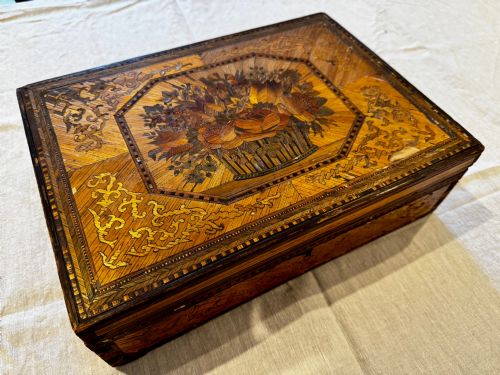
Straw-work boxes were painstakingly fashioned by prisoners of war using split straw glued onto wooden frames to mimic marquetry.
Distinctions in quality
Quality rests upon the precision of the joinery and the snugness of the fitted interior compartments, which should operate without binding or looseness. Superior examples maintain perfectly flat lids where veneers have not lifted from shrinkage.
The refinement of the contrasting inlay work separates standard utility pieces from exceptional commissions. Crisp, tight mitres around delicate stringing indicate a master hand, whereas wider filler lines suggest hurried workshop production.
Tahan·Edwards and Roberts·Ollivant and Botsford
The Antique Inlay Box Glossary
- Inlay
- The technique of inserting pieces of contrasting material into recessed cavities on a wooden surface to form a decorative pattern. The added elements sit flush with the surrounding timber.
- Stringing
- A narrow, linear inlay of a contrasting wood or metal used to outline panels, lid edges, or key escutcheons. It provides a crisp geometric border.
- Tea Caddy
- A lidded box originally designed to store loose tea leaves securely under lock and key. Many include internal compartments and glass mixing bowls.
- Writing Slope
- A portable desk featuring a hinged, slanted writing surface that folds flat and opens to reveal storage for paper and inkwells. They were standard equipment for travellers.
- Boulle
- A form of marquetry developed in France utilising tortoiseshell and brass cut together in counterpoint designs. It creates a shimmering, highly decorative metallic surface.
Antique Inlay Box: Frequently Asked Questions
What were tea caddies used for?
Tea caddies served to store expensive tea leaves securely in the parlour or dining room. Wealthy households kept tea under lock to prevent domestic staff from accessing the precious commodity.
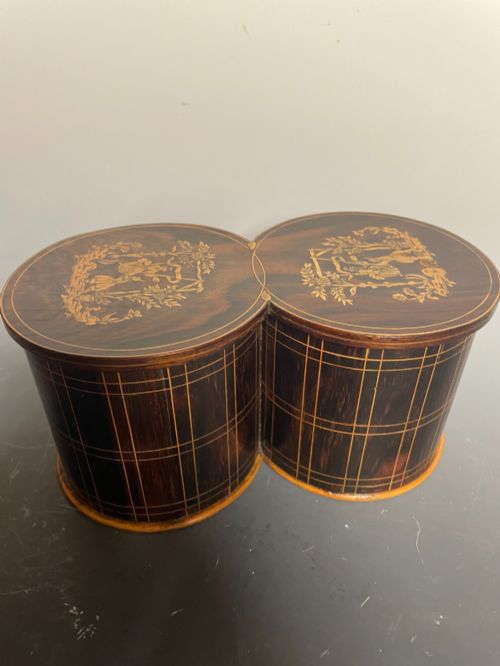
Inside, these boxes typically featured separate lidded canisters for green and black teas, alongside a central glass bowl for blending leaves to the host's taste.
How do I care for polished wood?
Keep wooden boxes away from direct sunlight and away from heat sources like radiators to prevent the timber and veneers from drying and splitting. Maintaining a stable indoor humidity preserves both the wood and the delicate glue beneath the inlay.
Apply a microcrystalline wax sparingly once or twice a year to nourish the finish, buffing gently with a soft cloth to maintain a natural lustre without building up heavy residues.
How can I tell Georgian boxes apart?
Georgian pieces generally favour architectural restraint, rectilinear proportions, and rich flame mahogany surfaces accented with subtle boxwood stringing or simple brass escutcheons. The internal fittings remain straightforward and functional.
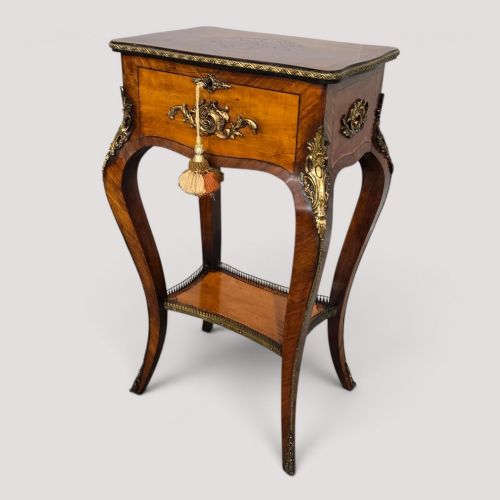
Later Victorian examples tend towards more exuberant ornamentation, incorporating burr walnut, mother-of-pearl, and French-inspired revival styles with complex curved contours and multi-material parquetry patterns.
Where were writing slopes used?
Writing slopes provided a portable desk for correspondents travelling between country estates or writing letters in chambers where dedicated furniture was scarce. The folding design kept paper, pens, and sealing wax together in a single locked case.
When opened, the sloping lid created a comfortable writing angle covered in leather or velvet, while internal partitions held ink bottles and spare nibs securely during transit.