

Antique Ink Pen
An antique ink pen brings together the physical craft of historic writing implements and original works on paper.
Antique Ink Pen
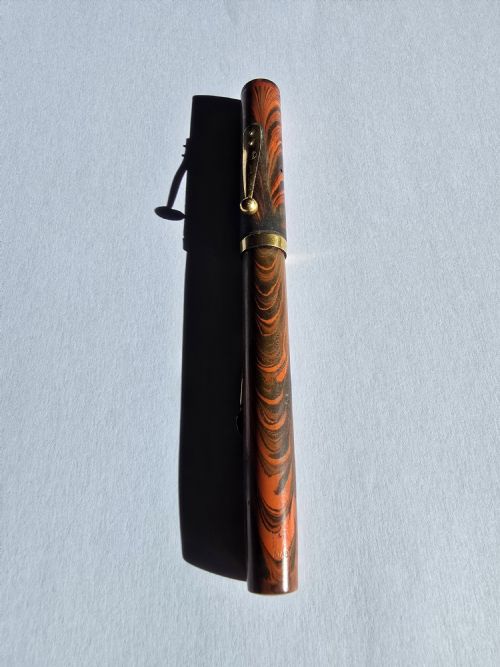
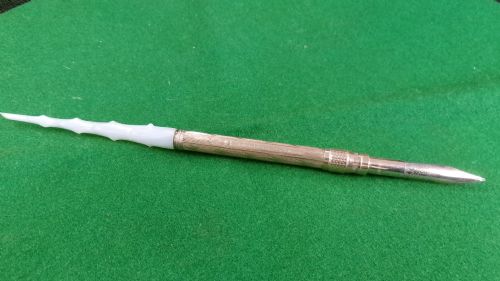
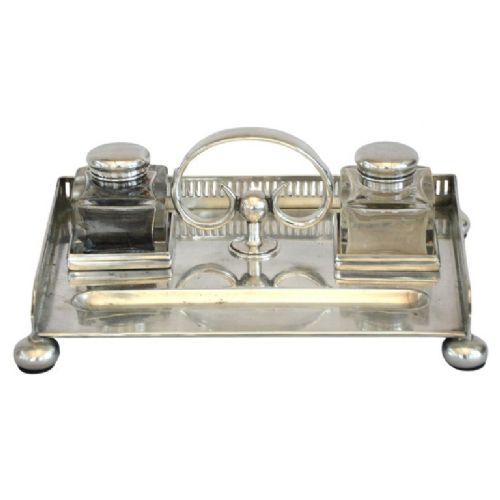
When searching for an antique ink pen, buyers encounter two distinct categories: actual writing instruments such as dip pens and fountain pens, and the desk accessories designed to house them alongside liquid ink.
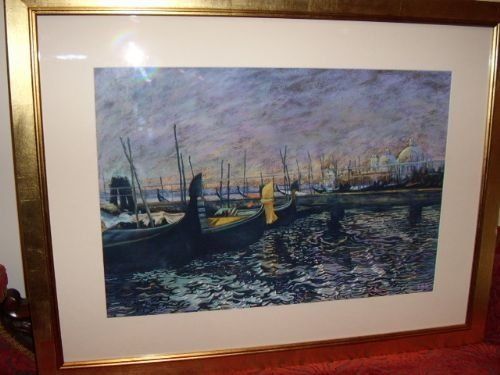
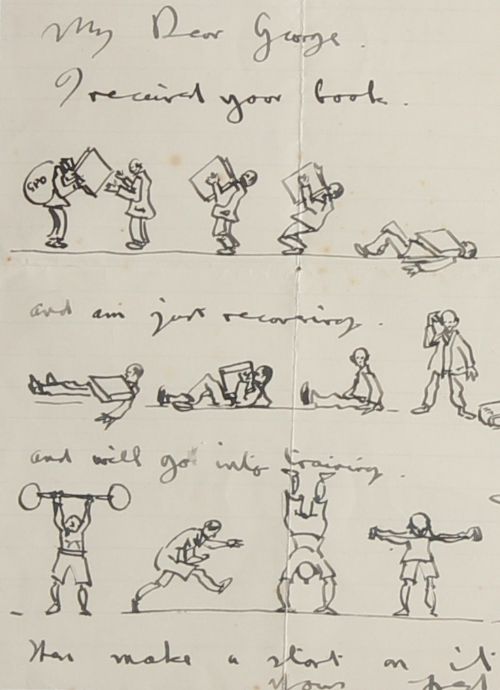
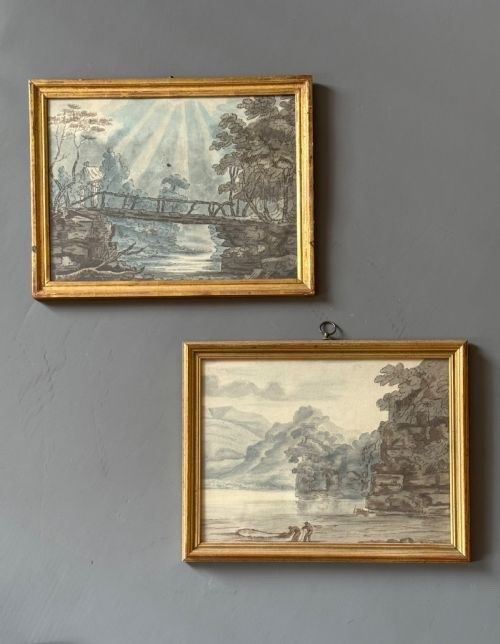
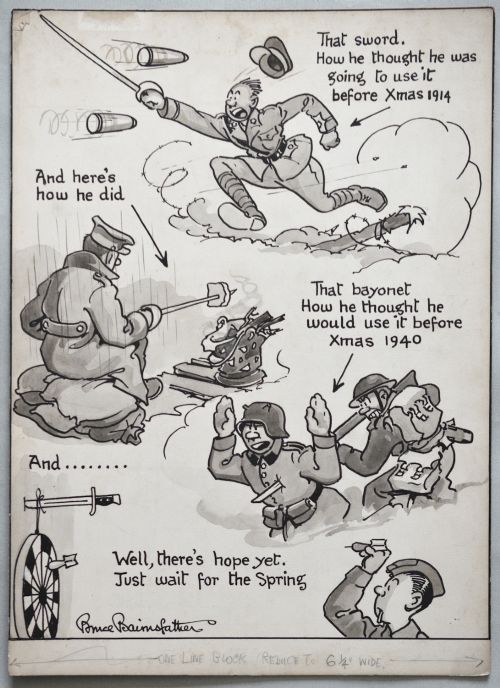
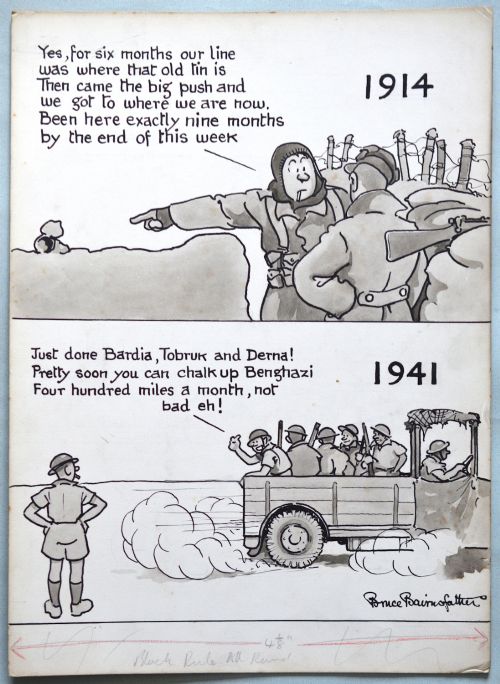
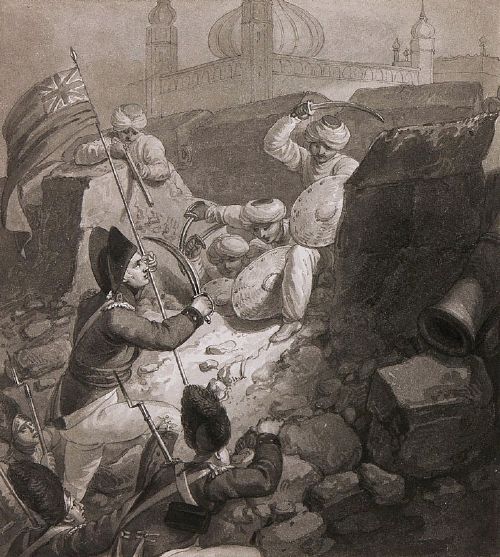
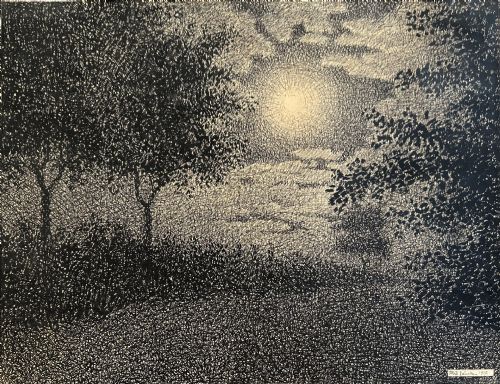
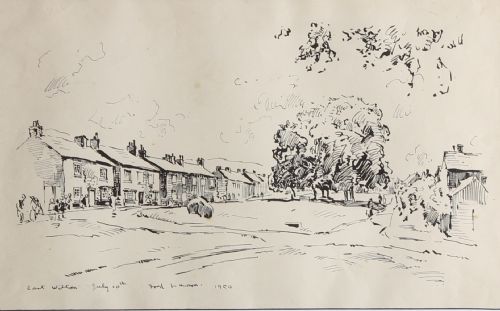
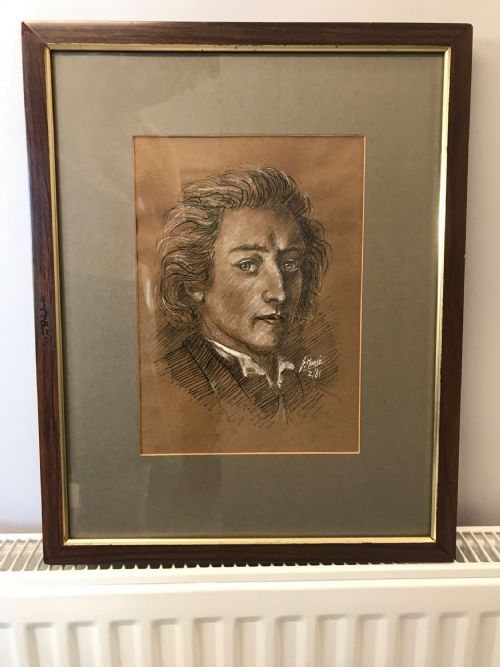
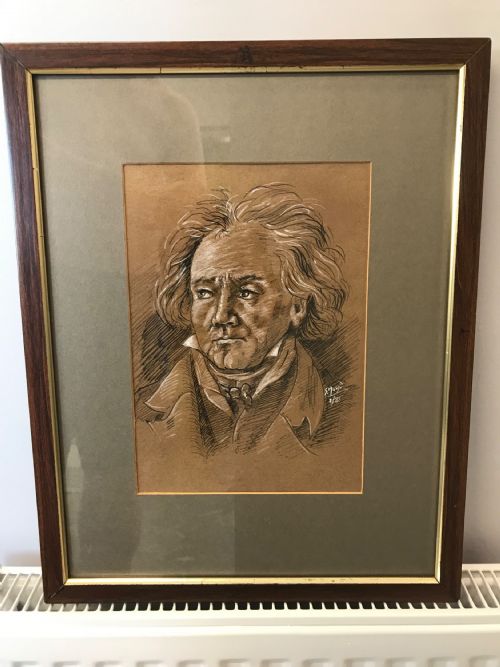
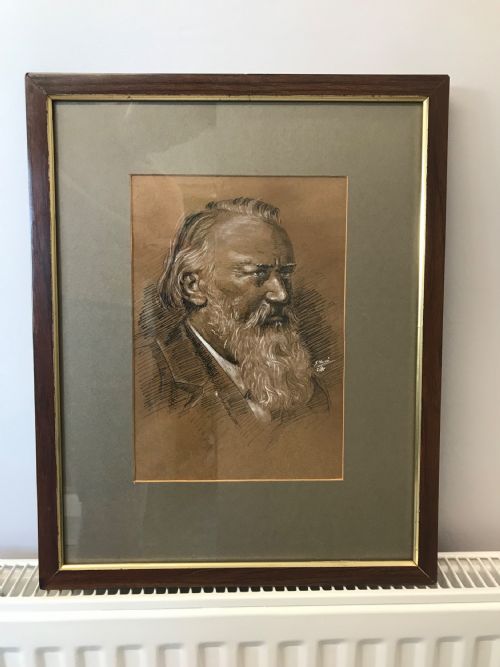
The selections range from gold-plated and mother-of-pearl writing implements to elaborate desk stands, inkwells, and original pen and ink drawings executed across the eighteenth, nineteenth, and early twentieth centuries.
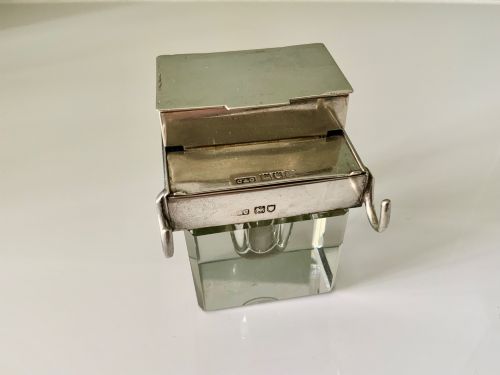
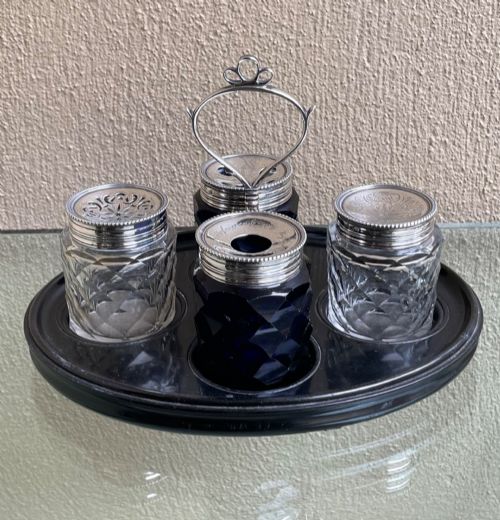
Desk stands and inkstands dominate the physical objects, frequently combining inkwells with dedicated rests for pens, while works on paper showcase the practical application of these tools in period artistry.
Materials and construction methods
Metals such as sterling silver, silver plate, brass, and ormolu form the structural framework for many desk accessories and novelty inkwells, often shaped through casting or repoussé techniques.
Organic materials including tortoiseshell, coromandel, satinwood, onyx, lapis lazuli, and papier-mâché provide decorative body panels and backing trays, frequently accented with inlaid brass or mother-of-pearl.
Writing implements utilise gold plating, fourteen-karat gold nibs, and carved mother-of-pearl handles, while works on paper combine iron gall or carbon ink with washes, gouache, and watercolour on paper or panel.
Antique Ink Pen Retail Price Guide 2026
Typical asking prices for ink pen among the pieces listed under this phrase on Sellingantiques today, from the lower quarter to the upper quarter. They describe what is for sale here now, not the wider market.
Wry-faced frogs, watchful parrots, and startled pheasants peer from desk tidies, ready to catch rogue ink drops.
Distinctions in standard and execution
The degree of refinement in decorative metalwork, hand-painted detail, and joinery separates standard desk accessories from exceptional studio pieces.
Material integration dictates overall execution, where the precise fitting of silver mounts to exotic hardwoods or carved stone demonstrates superior workshop capability.
Artistic execution in works on paper relies upon line clarity, preservation of the ink medium, and the fidelity of preparatory studies or historical sketches.
Waterman Ideal·Mabie Todd And Co·Walker And Hall·Harrods·James Cartland And Sons·Minton·Rupert Favell·Reed And Barton
The Antique Ink Pen Glossary
- Dip pen
- A simple writing instrument consisting of a metal nib mounted in a holder, requiring manual dipping into an inkwell for each supply of fluid.
- Inkstand
- A comprehensive desk tray incorporating one or more inkwells, pen rests, and sometimes sanders or wafer boxes for correspondence.
- Qalamdan
- A traditional portable scribes pen box with an attached inkwell, originating from Ottoman and Persian workshops.
- Wash
- A technique in drawing where diluted ink or watercolour is applied with a brush to create tonal gradations and shadow behind pen lines.
- Pen wipe
- A small desk accessory, often formed in novelty shapes like birds or animals, designed to clean excess ink from nibs.
Antique Ink Pen: Frequently Asked Questions
How do I care for antique paper drawings?
Antique pen and ink drawings require protection from direct sunlight to prevent fading of the ink and yellowing of the paper support. Framing with acid-free materials preserves the integrity of the original sheet.
Maintaining stable indoor humidity prevents warping and protects water-based washes and gouache from deterioration over time.
What materials were used for desk stands?
Desk stands incorporate a wide variety of metals, including sterling silver, silver plate, brass, and ormolu. Wooden bodies utilise hardwoods like coromandel and satinwood, frequently enhanced with brass inlay.
Decorative accents range from cut-glass inkwell inserts to semi-precious stones such as onyx and lapis lazuli.
How do I date an inkwell?
Dating relies upon hallmarks on silver components, maker marks, and stylistic indicators such as Art Nouveau curves or Victorian revival motifs. The choice of manufacturing materials also points to specific production eras.
Documentation, signatures on accompanying drawings, and registration marks assist in narrowing the production window.