



Antique Industrial Lamp
An antique industrial lamp brings robust utility and honest engineering into modern domestic spaces through hard-wearing metal and specialist glass.
Antique Industrial Lamp
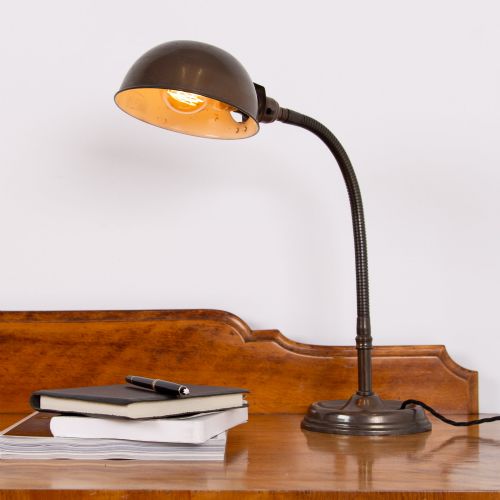
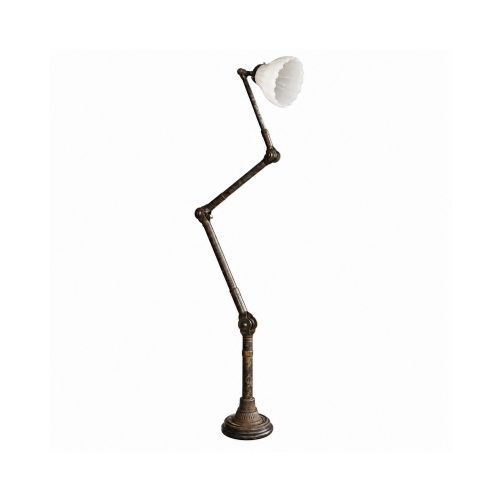
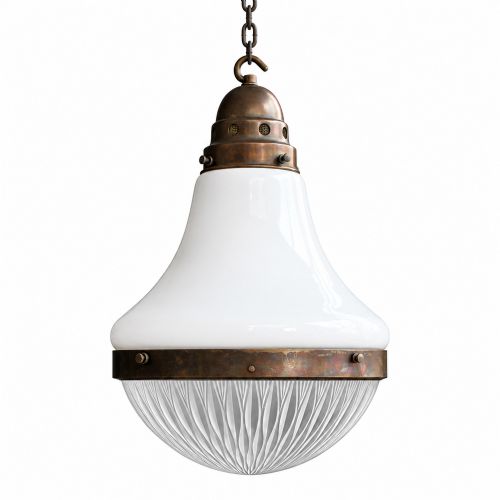
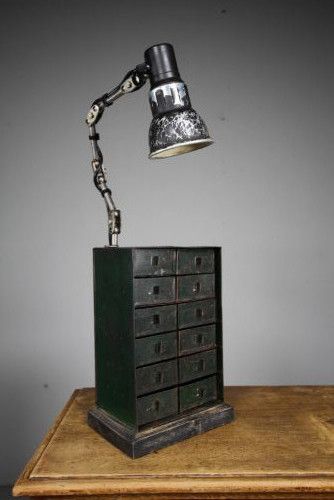
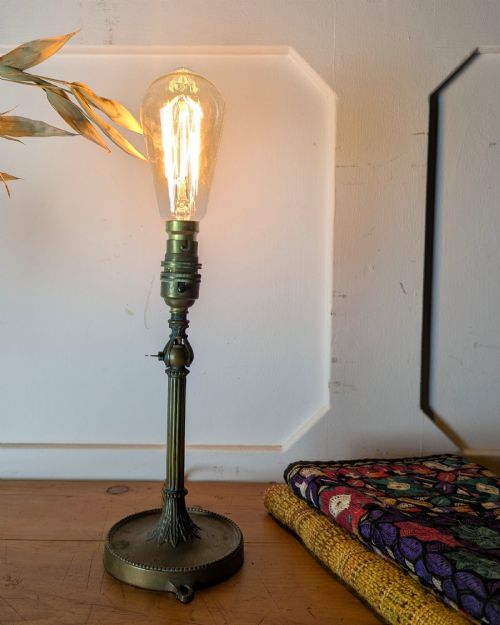
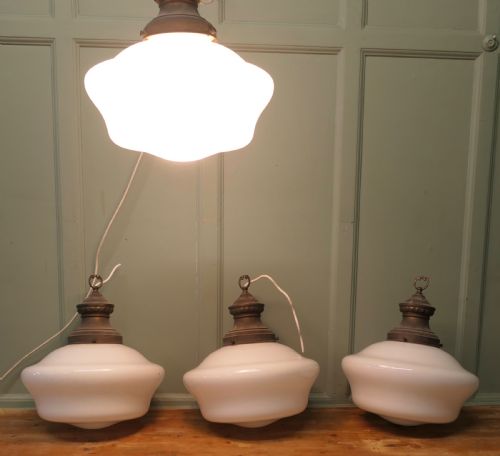
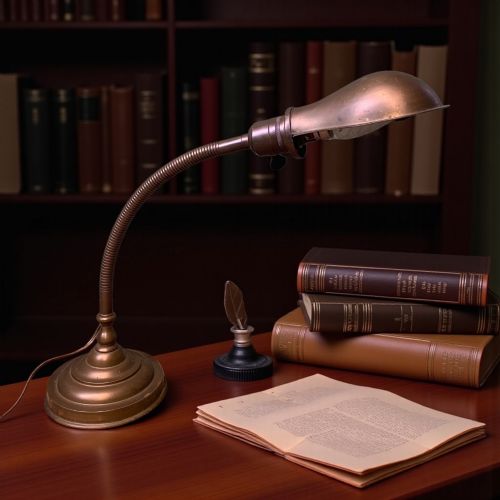
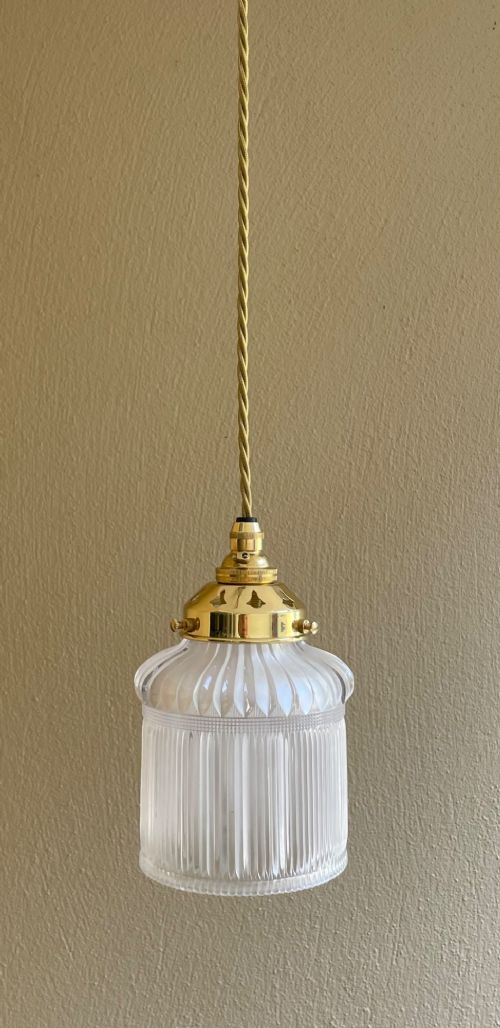
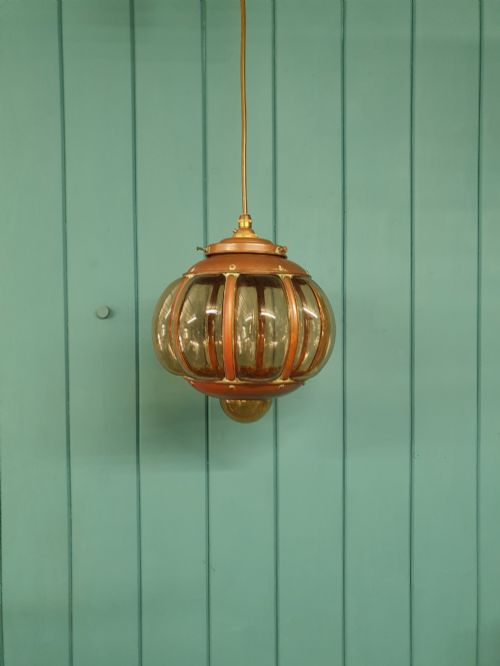
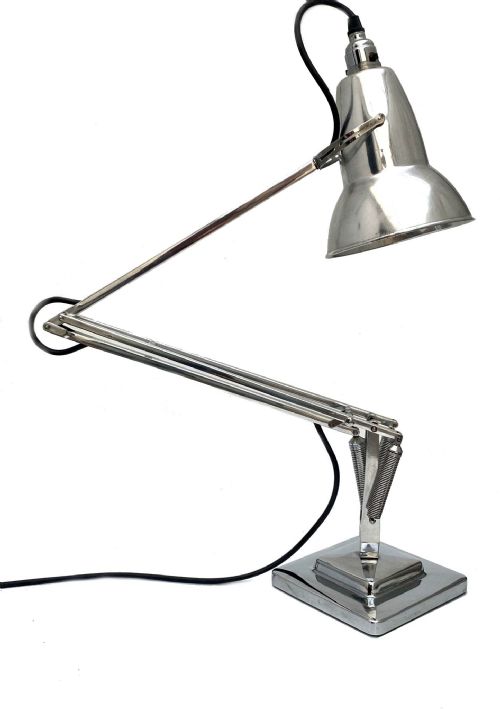
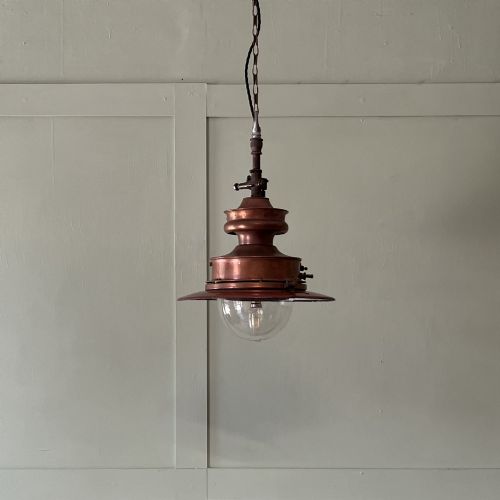
When searching for an antique industrial lamp, buyers encounter heavy-duty task lighting originating from factories, railways, maritime vessels, and workshops spanning the nineteenth century through to the 1940s. These utility objects range from adjustable brass desk lamps and polished copper railway hanging lanterns to large factory pendant lights fitted with prismatic or opaline glass shades.
The versions most commonly met on this page include early twentieth-century pendant lights and 1930s ceiling lights designed for functional workspaces rather than domestic display. Pieces frequently bear the functional marks of their working origins, incorporating cast iron bases, brass mechanisms, and specialist shades built to withstand demanding environments.
Materials and construction methods
Makers utilised durable metals including cast iron, brass, copper, steel, chrome, and wrought iron to construct frames and housings capable of enduring heavy daily use. Enamelled iron finishes provided resilient coatings for factory pendants and swan neck lamp posts exposed to moisture and heat.
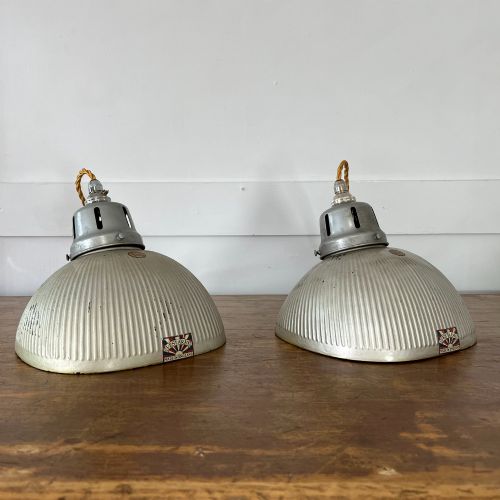
Specialist optical glass forms a defining component, with manufacturers producing opaline glass, smoked glass, mirrored glass, and prismatic Holophane shades designed to diffuse and direct illumination efficiently across wide workspaces.
Antique Industrial Lamp Retail Price Guide 2026
Typical asking prices for industrial lamp among the pieces listed under this phrase on Sellingantiques today, from the lower quarter to the upper quarter. They describe what is for sale here now, not the wider market.
Listings feature lighting materials ranging from basic cast iron and brass to specialist opaline and prismatic glass.
Markers of quality and execution
Superior examples distinguish themselves through the integrity of their mechanical adjustments, such as smoothly articulated brass arms and robust swivel joints that retain their position without sagging. The presence of original maker markings, patent dates, and intact specialist glass shades significantly elevates the standing of a piece.
Finer construction is evident in heavier metal gauges, substantial cast iron bases, and clean casting lines on brass and copper components. Utility objects of higher grade often retain their original surface patination and specialised fittings, such as gimbal mounts or maker-stamped plates.
Eli Griffiths & Sons·Holophane·Guilmet·Pirouette·Dressel·Revo Tipton
The Antique Industrial Lamp Glossary
- Holophane
- A brand of scientific glass shade featuring prismatic ribs designed to maximise and distribute light evenly. These shades are prized by collectors for their optical efficiency and distinct geometric appearance.
- Opaline glass
- A milky, translucent white glass used extensively in factory and chapel pendant lights to soften glare. It diffuses light evenly while creating a warm glow.
- Gimbal
- A pivoted support ring that allows a lamp, such as a ship's naval light, to remain level despite the motion of a vessel. This mechanical fitting ensures stability on moving surfaces.
- Prismatic glass
- Glass moulded with precise optical prisms on the surface to bend and direct light beams effectively. Double prismatic versions feature patterns on both sides for enhanced control.
- Pullman
- A designation associated with railway carriage fittings, denoting high-quality brass or metal manufacture built to endure transit conditions. These pieces often feature compact, secure wall or table mountings.
Antique Industrial Lamp: Frequently Asked Questions
How do I install an antique industrial ceiling light?
Most ceiling-hung pendants and factory lights require standard electrical wiring and secure ceiling hooks to support their metal weight. Professional installation ensures that heavy iron or brass fittings connect safely to modern mains power.
Many pieces retain their original ceiling roses or chain links, which can be adapted by an electrician to fit contemporary ceiling heights while preserving the vintage suspension hardware.
Were these lamps originally electric or oil?
Many surviving examples began as oil or paraffin lamps used on railways, ships, or in workshops before later conversion to electricity. Brass Tilley lamps and railway lanterns frequently show evidence of this functional transition.
Desk lamps and structural factory pendants often utilised early electrical wiring from the outset, reflecting the rapid electrification of industrial workplaces during the early twentieth century.
How should I clean a metal and glass industrial lamp?
Dust metal components gently with a dry cloth and avoid harsh chemical polishes that strip historical patination from copper, brass, and cast iron. Preserving the surface wear highlights the working history of the piece.
Glass shades can be removed carefully and washed in warm soapy water to restore optical clarity, particularly for prismatic and opaline designs that rely on clean surfaces to diffuse light properly.
Can adjustable desk lamps still be moved easily?
Quality articulated desk lamps utilise spring balances, threaded joints, or weighted counterweights designed for effortless repositioning. Regular use depends on whether the historical swivel mechanisms remain free from obstruction.
Careful inspection of joints and arm fixings reveals whether an adjustable arm retains its original range of movement or requires professional adjustment by a specialist restorer.