





Antique Industrial Desk
An antique industrial desk brings utilitarian strength and functional design into a modern workspace through robust metal framing and seasoned timber.
Antique Industrial Desk
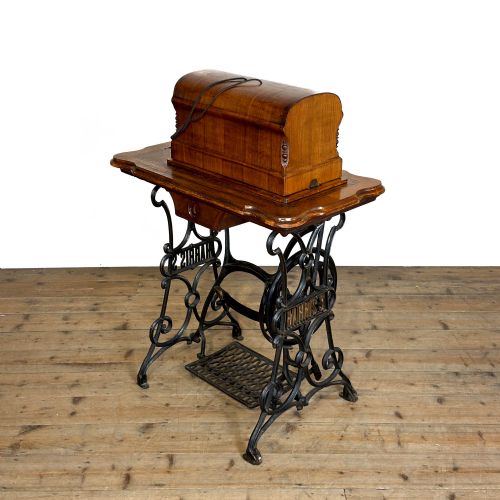
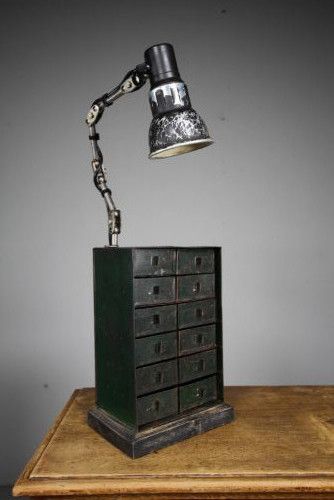
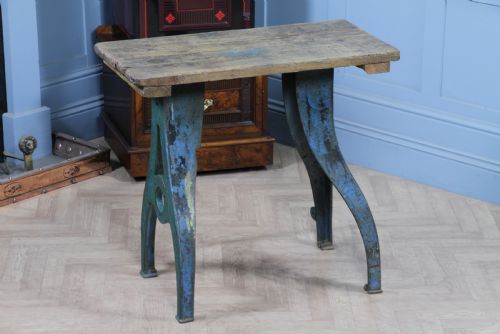
An antique industrial desk represents heavy-duty utilitarian furniture repurposed from Victorian factories, workshops, and offices. When searching for an antique industrial desk, buyers encounter heavy wooden tops paired with rigid iron or steel bases built for enduring physical labour.
The pieces appearing on this page span from the late nineteenth century through the early twentieth century. Common forms include large work tables, sorting tables, and adjustable tables constructed from pine, oak, and elm.
Originating in commercial and industrial settings rather than domestic workshops, these items prioritize functional utility above decorative refinement. Their surfaces bear the honest marks of daily trade use, from ink stains to worn timber grain.
Materials and construction
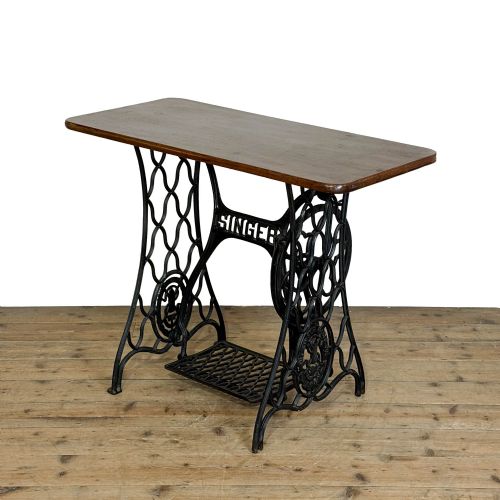
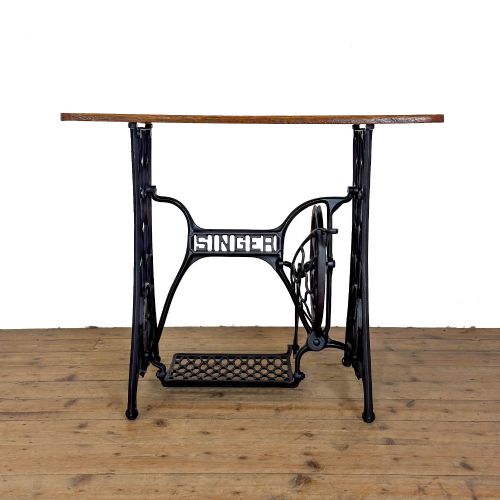
The construction relies on combining solid timbers such as oak, pine, and elm with structural metals like cast iron, steel, and brass. Heavy cast iron provides sturdy legs and adjustable mechanisms, while thick wooden planks form resilient working surfaces.
Makers utilised simple mechanical joinery, bolts, and heavy rivets to withstand constant movement and weight. Metal bases often feature dark enamelled finishes or exposed cast surfaces, paired with natural or painted wood.
Antique Industrial Desk Retail Price Guide 2026
Typical asking prices for industrial desk among the pieces listed under this phrase on Sellingantiques today, from the lower quarter to the upper quarter. They describe what is for sale here now, not the wider market.
Some work tables retain the authentic ink spills and grease marks from decades of forgotten factory paperwork.
Assessing quality
Quality rests upon the integrity of the original industrial components and the retention of authentic maker marks or specific institutional hardware. Superior examples maintain uncompromised structural stability in their metal mechanisms and original timber patination.
The balance between heavier industrial metalwork and well-proportioned wooden tops defines the visual success of each piece. Altered heights or replaced surfaces diminish the historical character expected by serious collectors.
Singer·Carters Of London·Evertaut·Pirouette·Guilmet
The Antique Industrial Desk Glossary
- Cast Iron
- A hard, strong alloy of iron and carbon poured into moulds to create rigid machine bases and furniture frames. It provides the heavy foundational weight characteristic of industrial pieces.
- Trestle Table
- A table consisting of two or more supports connected by a horizontal beam holding a flat top. This form appears frequently in early twentieth-century work tables.
- Patina
- The surface sheen and colour developed through years of wear, polishing, and exposure to light. It indicates genuine age on both wood and metal.
- Elm
- A tough, durable hardwood valued for its resistance to splitting and its attractive grain pattern. It often appears in heavy-duty seating and table construction.
Antique Industrial Desk: Frequently Asked Questions
What is an antique industrial desk?
An antique industrial desk is a sturdy work surface originally built for factories, sorting rooms, or offices during the nineteenth and early twentieth centuries. These pieces combine heavy iron or steel frames with thick wooden tops designed to endure demanding manual labour.
Modern buyers value them for their honest construction, durable materials, and distinct historical character that suits contemporary workspaces.
How do I date an industrial desk?
Dating relies on examining the manufacturing techniques, materials, and hardware used in the frame and top. Late Victorian examples often feature ornate cast iron bases, while 1920s and 1930s pieces utilise simpler welded steel and plain oak or pine.
Maker stamps, patent numbers, and the style of screws or bolts also help narrow the period of production.
Are these desks comfortable for daily use?
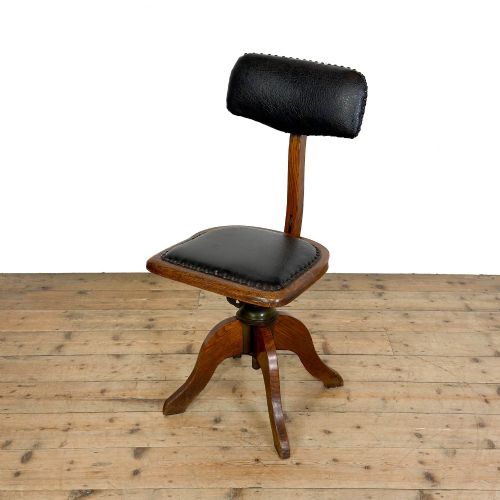
Most industrial desks were built for specific trade tasks, meaning their heights and proportions can differ from modern office furniture. Checking the knee clearance and surface height ensures the desk fits daily writing or computer work.
Many original pieces feature adjustable mechanisms that allow height modification for comfortable seating.
How should I clean the metal and wood?
Preserving the original surface requires gentle cleaning methods that retain the accumulated patina of the workshop. A soft cloth and mild wax protect wooden tops without stripping historical character.
Metal bases benefit from light dusting and occasional application of protective oil to prevent rust while keeping the raw texture intact.