



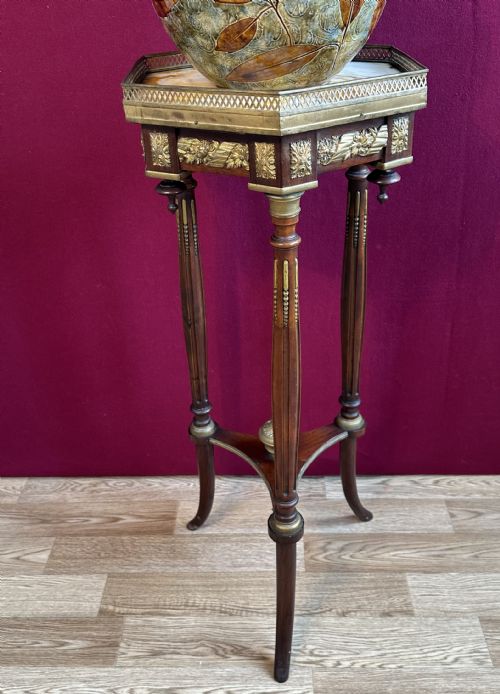


Antique Indoor Plant Stand
An antique indoor plant stand brings botanical life into a room through the craftsmanship of the nineteenth and early twentieth centuries.
Antique Indoor Plant Stand
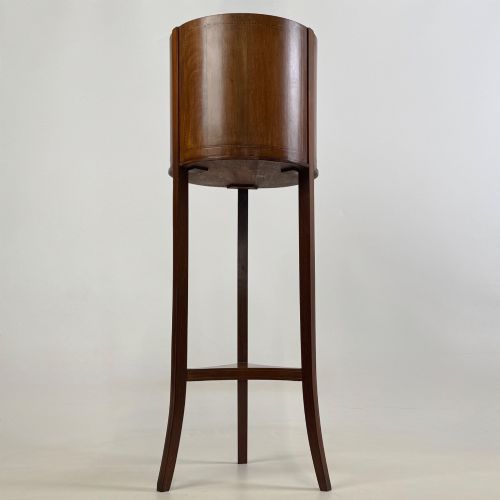
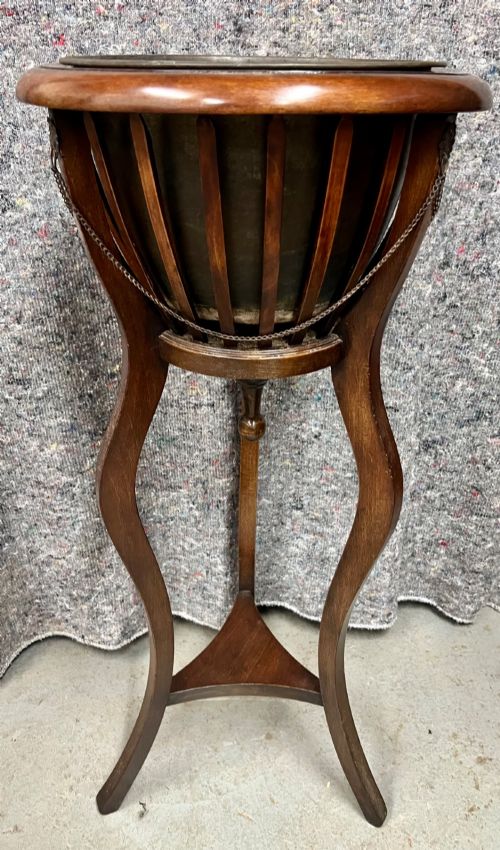
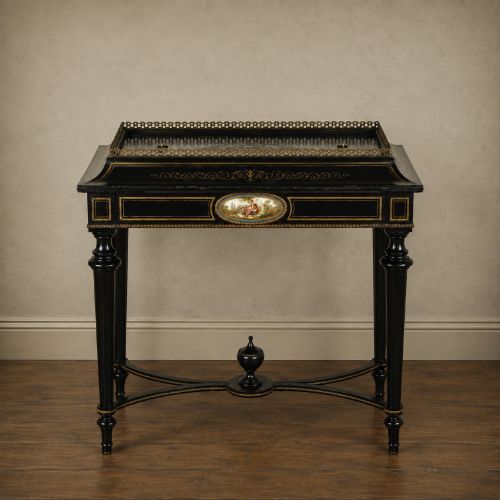
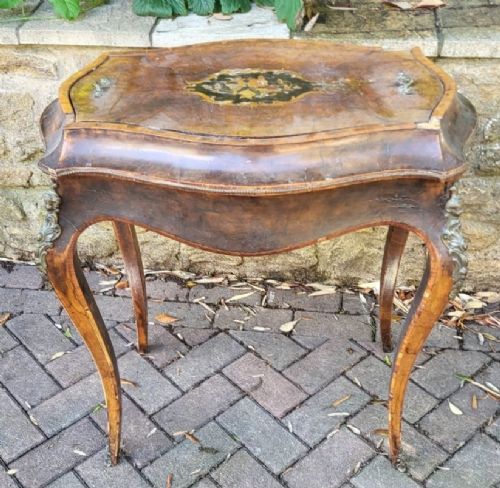
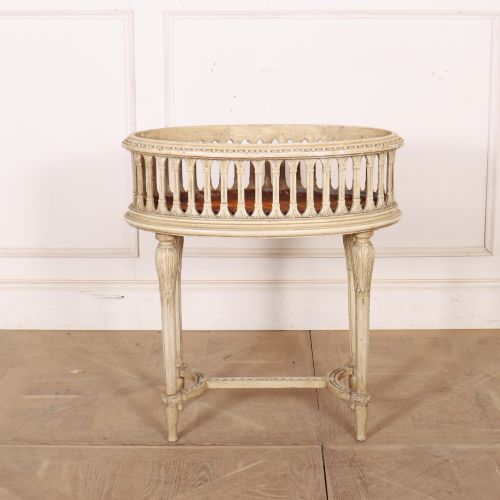
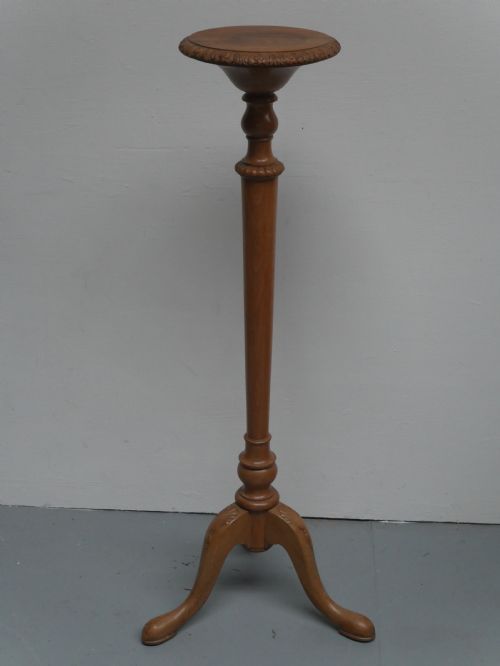
The selection ranges from simple wooden columns to elaborate jardiniere tables featuring lift-off lids and removable liners. Makers from the nineteenth century onwards constructed these pieces in forms varying from square brass stands to coopered oak barrels.
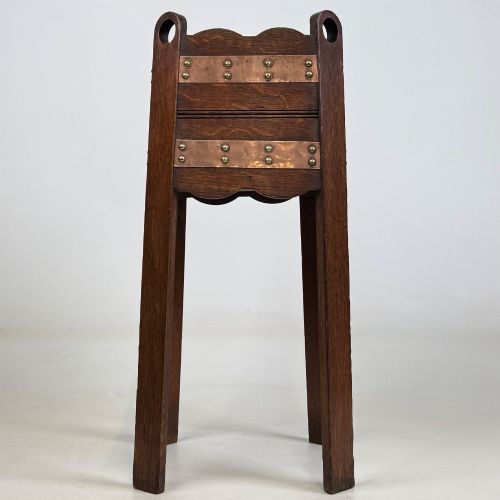
Many of the items documented here span the Edwardian era and the Victorian period, reflecting changing domestic tastes for indoor horticulture. Pieces from the Arts and Crafts movement also appear, showcasing hammered metals and structural honesty.
Standards of craftsmanship
The sophistication of the timber inlay and the precision of the cabinet joins separate standard stands from superior examples. Finely figured veneers and well-preserved surface polishes indicate a higher grade of manufacture by skilled workshops.
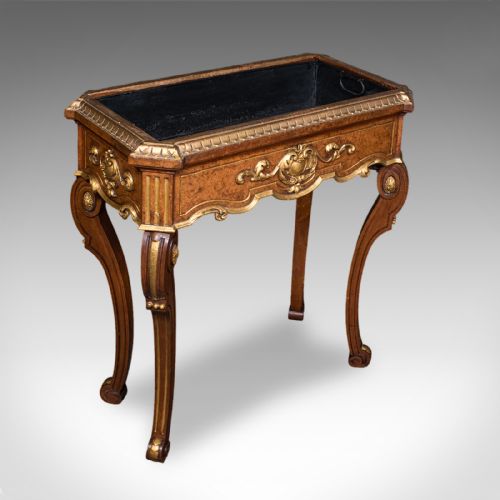
The integration of metal mounts, such as fire-gilt ormolu and hand-hammered copper, demonstrates the artisan's investment in the object. Complete retention of original porcelain plaques and metal liners elevates the historical integrity of the piece.
Listings feature walnut, mahogany, and satinwood alongside copper, brass, and ormolu across the Victorian and Edwardian periods.
The Antique Indoor Plant Stand Glossary
- Jardiniere
- An ornamental pot or stand for holding plants or flowers. These vessels often feature fitted metal liners to protect the surrounding woodwork from moisture.
- Cache pot
- A decorative flower pot designed to conceal a plain growing pot within. They sit independently on stands or tables rather than forming an integrated unit.
- Ormolu
- Gilded bronze or brass applied as a decorative mount onto furniture and stands. This technique gained widespread favour during the nineteenth century revival periods.
- Marquetry
- Decorative patterns formed by inserting pieces of wood veneer into a master wood matrix. Craftsmen utilised contrasting timbers to create floral or geometric designs.
- Coopered
- Constructed from wooden staves bound together with metal hoops, much like a barrel. This method appears on robust oak plant holders.
Antique Indoor Plant Stand: Frequently Asked Questions
What is an antique indoor plant stand?
An antique indoor plant stand is a decorative furnishing designed to elevate potted plants off the floor for better display within a room.
These pieces range from tall wooden pedestals to low tables with built-in metal liners for holding soil and water.
How were plant stands used historically?
Victorians and Edwardians utilised these stands to bring botanical specimens and ferns into domestic living spaces and parlours.
They served both a functional purpose for plant care and a decorative role in displaying exotic flora during periods of intense horticultural interest.
How do I care for wooden plant stands?
Protect the timber surfaces by ensuring that water does not spill over from pots or internal metal liners during regular plant maintenance.
Apply wax polish periodically to maintain the lustre of mahogany, walnut, and satinwood finishes without saturating the grain.
How do I identify Victorian plant stands?
Victorian examples frequently employ dense timbers like burr walnut and mahogany, often enhanced with marquetry inlay or gilt metal mounts.
Stylistic cues draw heavily on French Rococo Revival influences, resulting in curved silhouettes and ornate decorative details.