



Antique Hurricane Shade
An antique hurricane shade protects a delicate flame from the draught, bringing a soft, stable glow to any room.
Antique Hurricane Shade
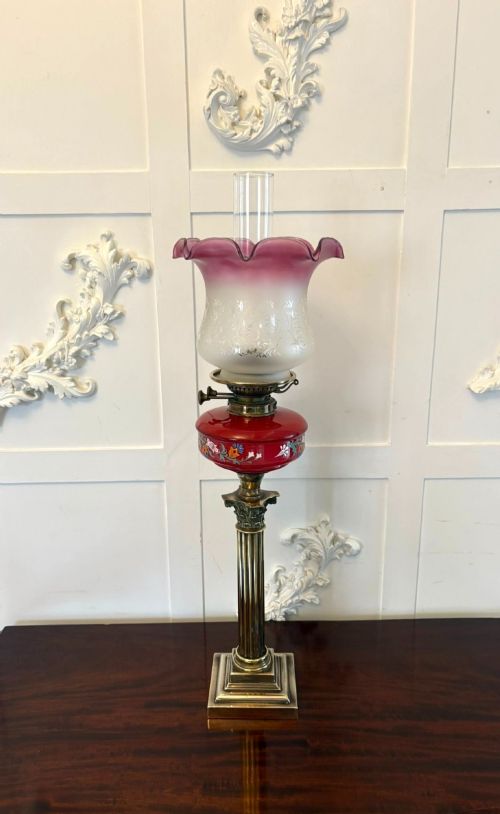
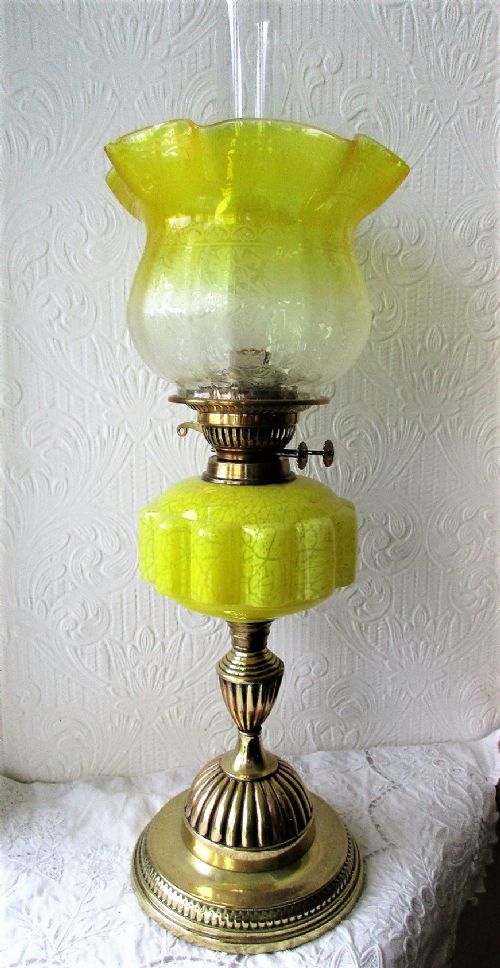
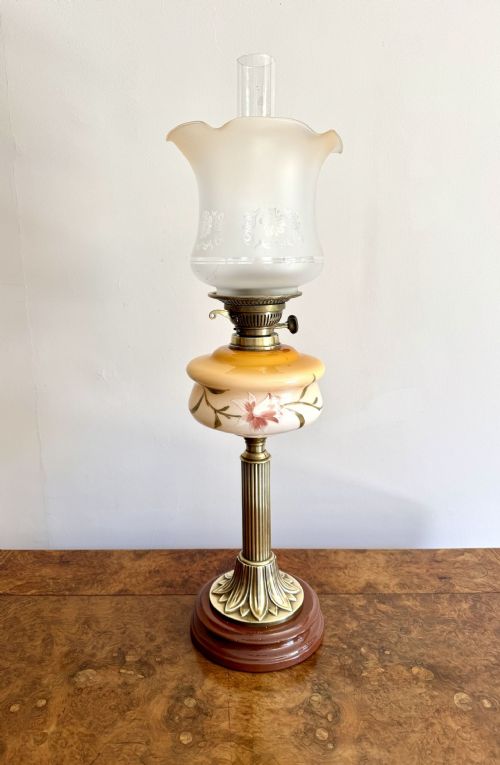
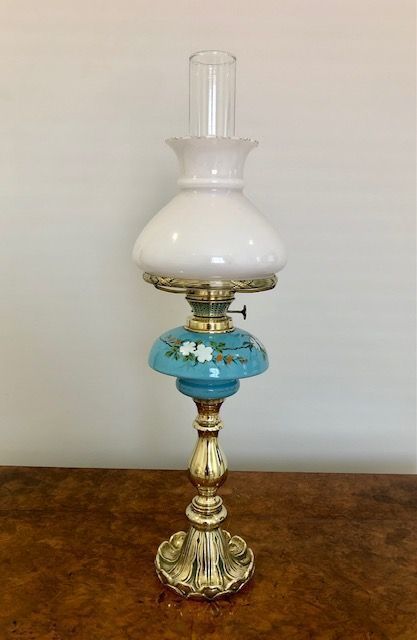
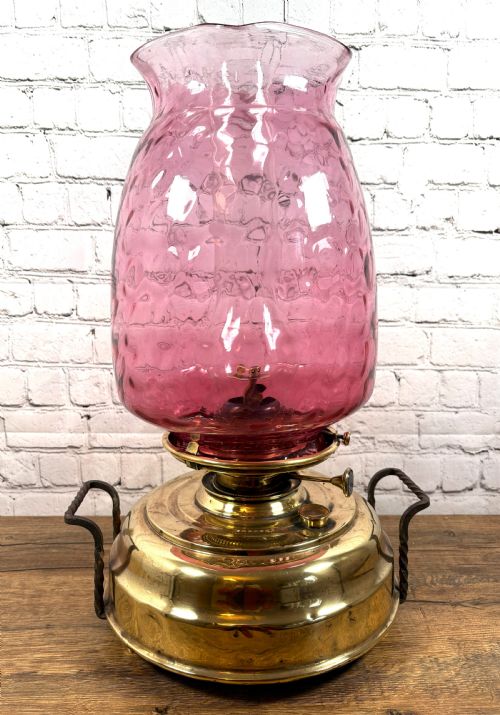
The antique hurricane shade is typically encountered as part of a Victorian or Edwardian oil lamp, table lamp, or candle lamp designed to shield the burning wick or candle from air movement. These guards take the form of tall glass chimneys, tinted shades, or frosted cylinders paired with brass bases, ceramic fonts, and porcelain figures.
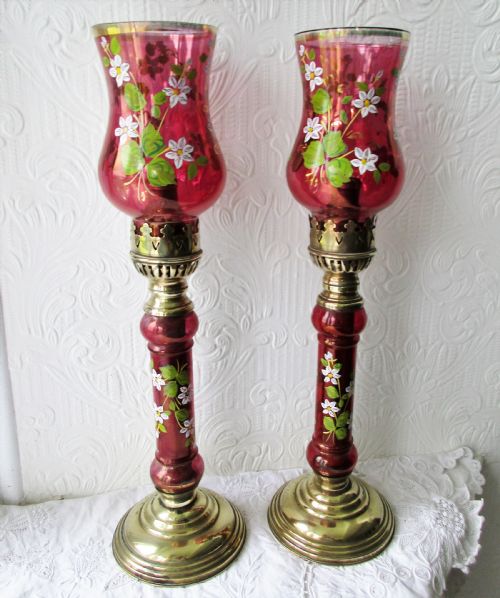
Most examples originate from the nineteenth century, spanning decades such as the eighteen-fifties through to nineteen hundred, encompassing English, German, and British-made pieces. Alongside standard oil burners, buyers frequently encounter paired brass candlesticks fitted with glass chimneys, glass vases, and lustres with storm shades.
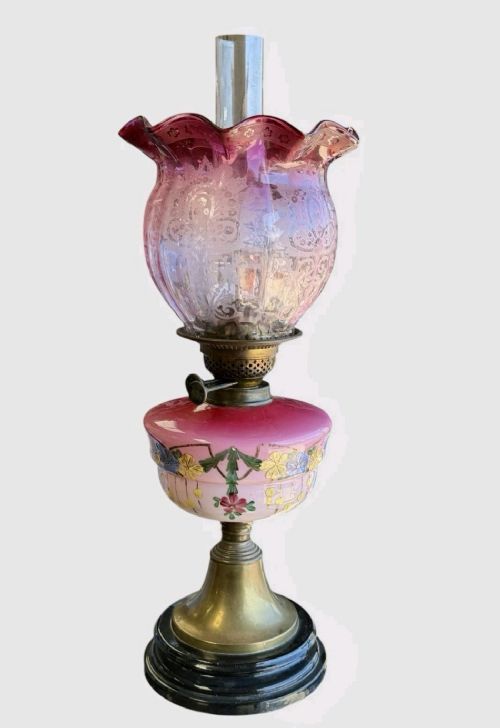
Makers and manufacturers utilised varied materials to construct these assemblies, combining cranberry glass, opaline glass, soda glass, and clear glass with embossed brass and silver plate. The resulting objects serve both a practical lighting function and a decorative role within period interiors.
How they were made
Makers fashioned the glass shades and chimneys through free-blowing or mould-blowing techniques, incorporating vibrant coloured oxides into batches to produce distinctive cranberry, yellow, and opaline hues. Hand painting was frequently applied to fonts and shades to add surface decoration before firing.
Metal components relied on heavy brass casting, turning on lathes, and silver plating over base metals to create sturdy reservoirs and candlesticks. Embossing tools stamped intricate patterns into the brass bodies of Victorian oil lamps, while ceramic elements like Meissen porcelain were moulded and hand finished.
Antique Hurricane Shade Retail Price Guide 2026
Typical asking prices for hurricane shade among the pieces listed under this phrase on Sellingantiques today, from the lower quarter to the upper quarter. They describe what is for sale here now, not the wider market.
The selection includes Edwardian and Victorian forms ranging from pulpit oil lamps to Meissen porcelain cherub figures.
What varies in quality
Quality rests in the weight of the metal components and the clarity or rich saturation of the glass, distinguishing heavy cast brass and deep cranberry glass from lighter, plainer alternatives. The crispness of embossed brass detailing and the precision of turned wooden or metal elements further separate standard pieces from finer examples.
Artistic execution on hand-painted fonts and the presence of matched pairs elevate certain lamp assemblies above single, utilitarian items. The integration between the glass shade and its burner mechanism demonstrates the level of thought and care invested by nineteenth-century manufacturers.
Meissen Porcelain
The Antique Hurricane Shade Glossary
- Hurricane shade
- A tall glass cylinder or globe designed to protect a candle or oil lamp flame from wind and draughts. These guards ensure a steady, flicker-free light source.
- Cranberry glass
- A rich red transparent glass coloured with gold chloride during the melting process. It is frequently seen in Victorian tableware and lighting components.
- Opaline glass
- An opaque, pale pastel glass that resembles porcelain and diffuses a soft, milky light. It gained popularity during the nineteenth century for decorative lamp shades.
- Font
- The oil reservoir portion of a lamp, positioned beneath the burner and above the main base. Fonts are often made from ceramic, glass, or brass.
- Lustre
- A decorative tabletop vessel featuring hanging glass prisms that catch and refract candlelight. Pairs of lustres often incorporated storm shades.
Antique Hurricane Shade: Frequently Asked Questions
What is an antique hurricane shade?
An antique hurricane shade is a protective glass cylinder or globe designed to shield an open flame from draughts. They are most commonly found mounted on nineteenth-century oil lamps and candlesticks.
These pieces combine functional brass or ceramic bases with blown glass elements, serving both as lighting accessories and decorative objects in period interiors.
How do I identify a Victorian hurricane shade?
Victorian shades typically exhibit characteristic nineteenth-century glass colours such as deep cranberry, opaque opaline, or tinted soda glass. They often feature hand-painted floral motifs or distinct mould-blown shapes.
Examining the weight of the associated brass burner and the thickness of the glass helps distinguish nineteenth-century production from later reproductions.
Can I use these lamps with oil today?
Many antique oil lamps remain structurally sound and capable of functioning with modern lamp oil or paraffin. However, many collectors choose to display them as decorative art rather than operating them.
If you intend to burn oil, inspect the inner reservoir and burner mechanism carefully to ensure proper sealing and safe operation.
How should I clean glass shades?
Glass shades require gentle washing in lukewarm water with mild soap to preserve their surface finish and any hand-painted details. Avoid harsh chemical cleaners or abrasive scouring pads.
Allow the glass to dry completely before placing it back onto a brass or ceramic lamp base.