



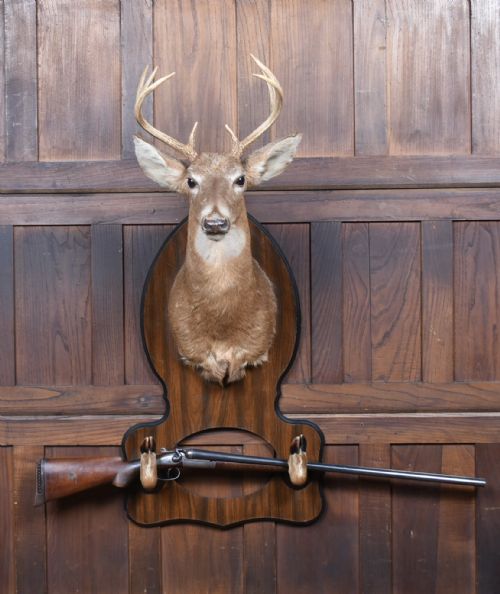


Antique Hunting Trophy
An antique hunting trophy brings the dramatic presence of the nineteenth century sporting lodge directly into a modern interior.
Antique Hunting Trophy
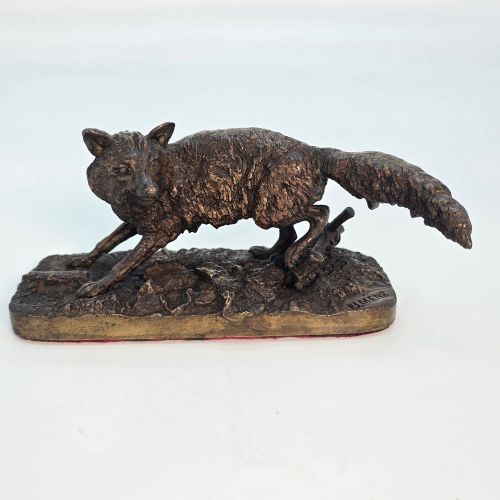
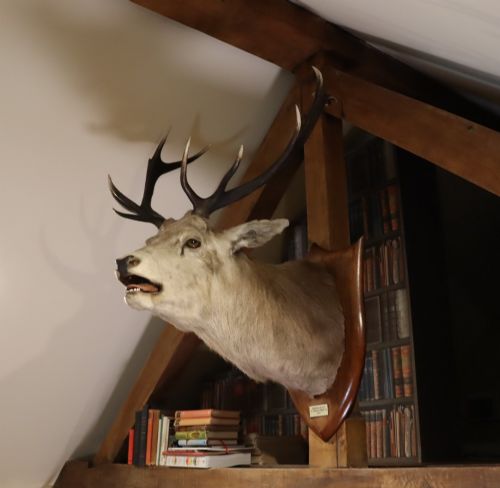
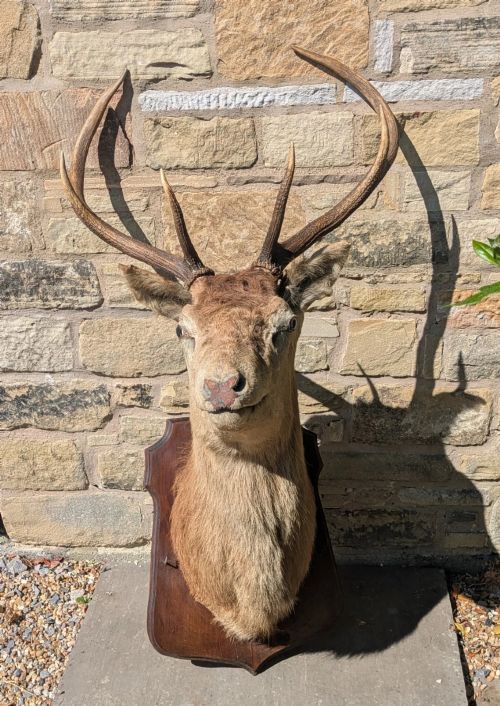
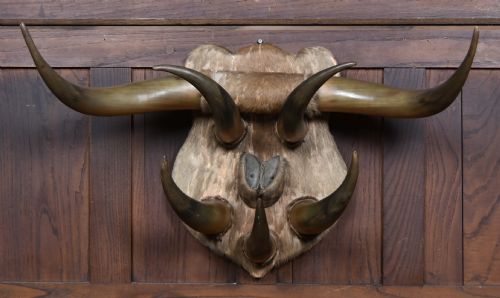
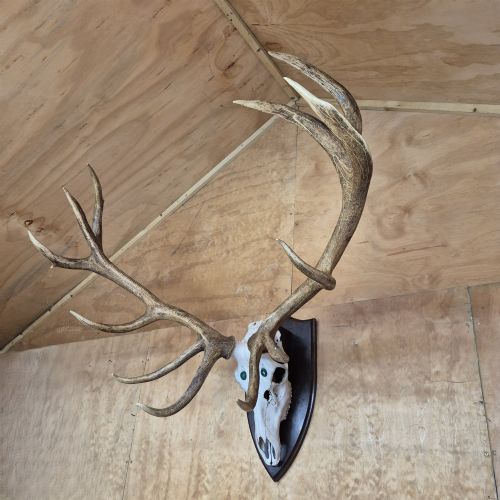
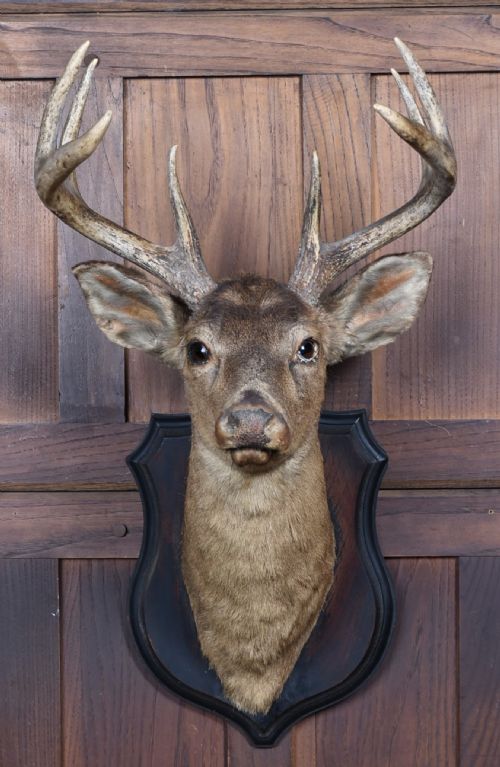
An antique hunting trophy encompasses a diverse range of items including taxidermy mounts, oil paintings, carved wood wall sculptures, and silver presentation pieces. When exploring this category, buyers primarily encounter nineteenth century taxidermy heads, mounted horns, and carved wooden plaques.
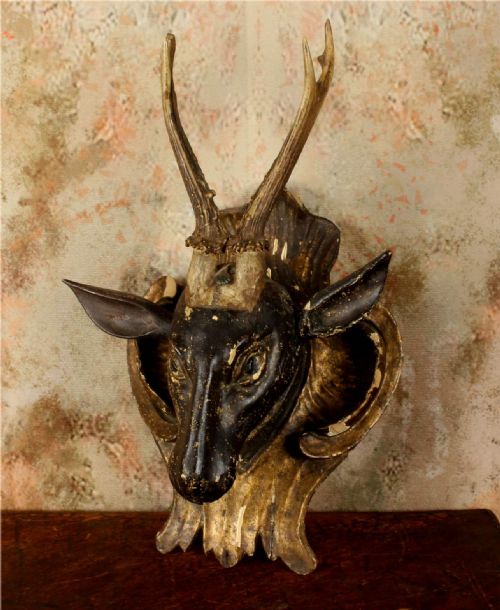
The selections span distinct historical styles such as Victorian, Edwardian, Black Forest, and Highland Hunting Lodge aesthetics. These pieces reflect historical sporting traditions, often incorporating animal remains or artistic depictions of game into decorative domestic objects.
Forms vary from grand red deer antlers and exotic antelope horns to smaller functional items like deer hoof table lamps and inkwells. The origin of these items bridges traditional folk art craft with elite sporting culture across Britain and continental Europe.
Materials and construction methods
Makers utilised natural materials including oak, timber, bone, horn, antler, natural hide, and glass alongside sterling silver and bronze. Taxidermy mounts required skilled preservation techniques over carved wooden shields or plaster cores, whilst Black Forest items display intricate hand carving in timber.
Metalwork pieces involve traditional casting methods for brass and sterling silver components, sometimes incorporating actual animal elements like hooves or teeth into functional accessories.
Antique Hunting Trophy Retail Price Guide 2026
Typical asking prices for hunting trophy among the pieces listed under this phrase on Sellingantiques today, from the lower quarter to the upper quarter. They describe what is for sale here now, not the wider market.
Evaluating craftsmanship and condition
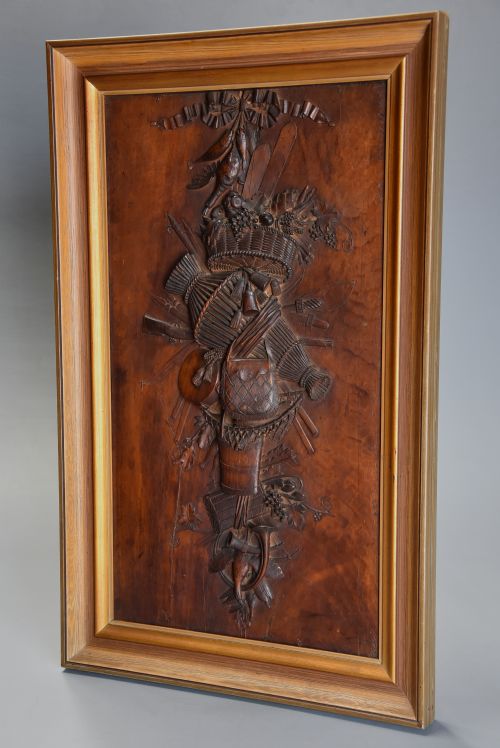
Quality in taxidermy mounts rests upon the anatomical accuracy and expression achieved by the taxidermist, distinguishing master practitioners from standard commercial work. Carved wooden plaques and Black Forest panels show variation through the depth of relief, crispness of detail, and the natural grain of the timber utilised.
Silver and bronze items demonstrate excellence through crisp hallmarks, balanced proportions, and fine chasing work that survives intact without excessive polishing or structural repair.
Peter Spicer and Sons
The Antique Hunting Trophy Glossary
- Taxidermy mount
- The art of preserving and mounting an animal's skin, head, or horns to give a lifelike appearance. These specimens form the core of many sporting displays.
- Black Forest
- A distinct nineteenth century style of intricate wood carving originating from the German region, typically featuring naturalistic forest animals and foliage. Plaques and panels in this style often incorporate real antlers.
- Shield mount
- A traditional method of displaying horns or antlers by fixing them onto a shaped wooden board for wall hanging. The shield is frequently carved with oak leaves or geometric borders.
- Folk art
- Utilitarian or decorative objects created by self-taught or local artisans working outside mainstream academic traditions. In this category, it describes vernacular carved wood deer heads and horn arrangements.
- Point
- A specific term used to count the individual tines on a deer's antler. More points indicate a larger and older animal.
Antique Hunting Trophy: Frequently Asked Questions
How should I clean antique horns and antlers?
Dust horns and antlers gently with a soft, dry brush or a clean microfibre cloth to remove surface particles without damaging the natural material. Avoid using water or chemical cleaners which can dry out bone and horn.
A light application of natural wax can maintain the sheen on polished horn if recommended by a professional conservator.
What is a Royal set of antlers?
A Royal set refers specifically to red deer antlers featuring a twelve point configuration on the crown. This traditional classification denotes a mature and impressive animal.
Such pieces were highly prized in nineteenth century hunting lodges and remain sought after by collectors today.
Are these items legal to buy and sell?
Antiques created from animal specimens during the nineteenth and early twentieth centuries generally comply with heritage and wildlife trade regulations due to their antique status. Documentation should confirm the historical period of the piece.
Buyers should check specific regional laws regarding endangered species before purchasing items containing certain types of horn or hide.