





Antique Hunt Trophy
An antique hunt trophy brings the atmosphere of the nineteenth-century country house and sporting lodge directly into the room.
Antique Hunt Trophy
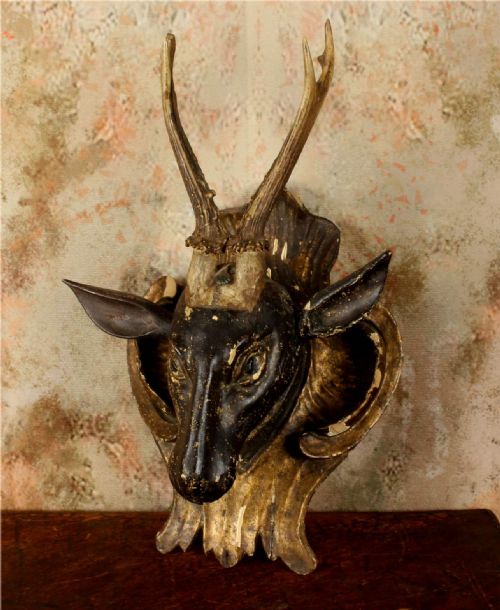
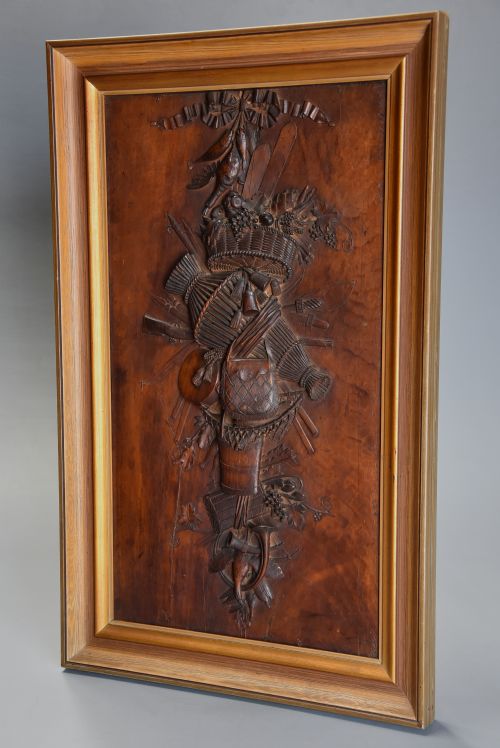
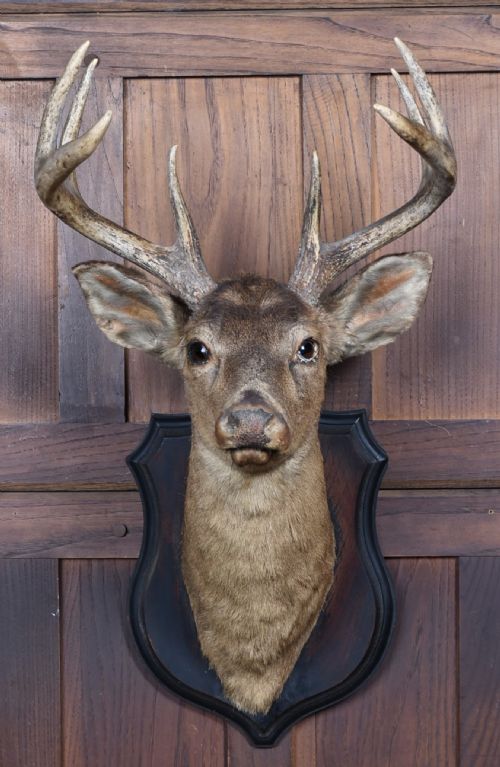
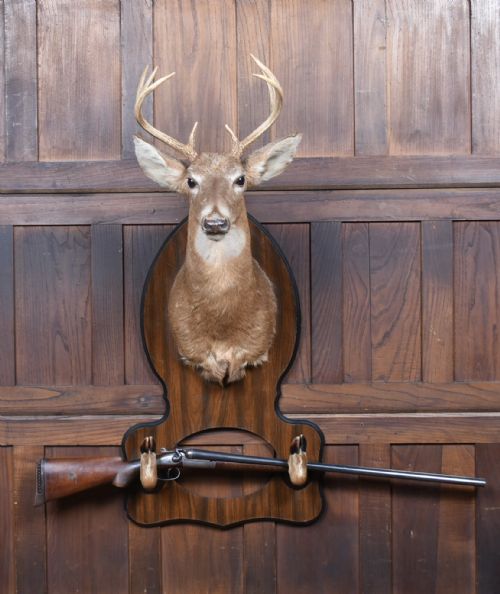
When searching for an antique hunt trophy, buyers encounter taxidermy mounts, carved wooden panels, and metal sculptures dating from the nineteenth and early twentieth centuries. These pieces record historical field sports and natural history display traditions.
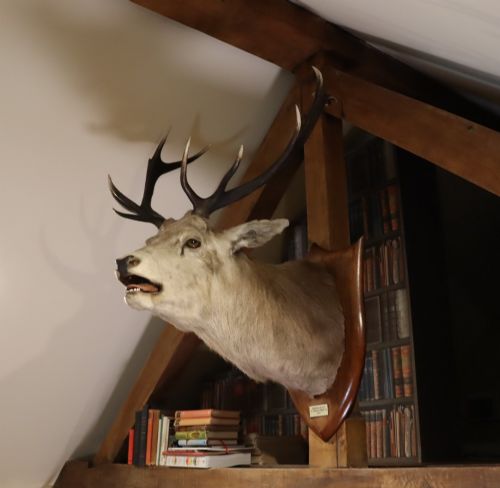
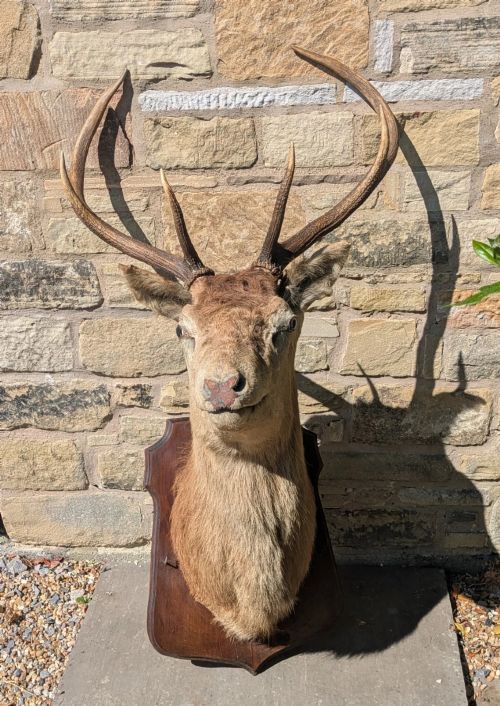
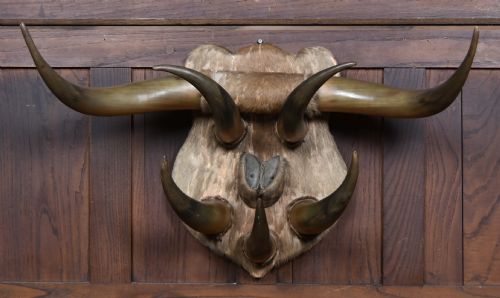
The most common examples on this page are taxidermy wall mounts of foxes, stags, and deer, alongside carved wooden plaques and horn arrangements from the Victorian and Edwardian periods.
Originating in British sporting culture and Continental workshops like the Black Forest, these items served as both memorials of the hunt and decorative interior ornaments for country houses.
Materials and construction
Taxidermy specimens utilise real animal pelts, antlers, horns, and bone mounted over carved forms, wood, or plaster foundations by specialist firms.
Carved wooden trophies employ oak, fruitwood, and timber shaped into intricate plaques and animal heads, frequently associated with Black Forest craftsmanship.
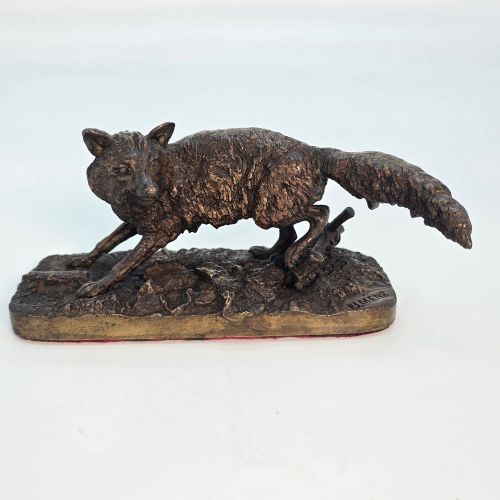
Metal items incorporate cast bronze, solid sterling silver, and brass, often used for sculptural studies of hounds and game or mounted upon horn and hoof bases.
Antique Hunt Trophy Retail Price Guide 2026
Typical asking prices for hunt trophy among the pieces listed under this phrase on Sellingantiques today, from the lower quarter to the upper quarter. They describe what is for sale here now, not the wider market.
The listings feature glass, oak, bone, timber, and various horns alongside taxidermy mounts and bronze sculptures.
Distinctions in quality
The standard of a taxidermy hunt trophy depends heavily on the skill of the taxidermist in capturing realistic anatomical proportions and lifelike expression in the animal mask or head.
Carved wooden trophies are distinguished by the depth and crispness of the hand-carving on the shields and foliage, whereas lesser examples display flat or mechanical detailing.
The provenance of known makers, particularly documented works by prominent Victorian and Edwardian taxidermy firms, separates ordinary pieces from superior collector items.
H. Murray & Son·Peter Spicer & Sons·Pierre-Jules Mêne
The Antique Hunt Trophy Glossary
- Animalier
- A nineteenth-century artistic style focusing on the realistic depiction of animals, frequently seen in bronze sculptures of hounds and game.
- Mask
- The head and face of a hunted animal, particularly a fox or otter, preserved and mounted as a specific type of wall trophy.
- Black Forest
- A style of wood carving originating in Central Europe during the nineteenth century, known for deeply carved oak and timber animal trophies and plaques.
- Taxidermy
- The art of preparing, stuffing, and mounting the skins of animals for display, which reached a high standard of craftsmanship in the Victorian era.
Antique Hunt Trophy: Frequently Asked Questions
How do I hang a heavy taxidermy head?
Stag and deer heads require secure fixing directly into wall studs or solid masonry using heavy-duty brackets to support the substantial weight of the timber shield and antlers.
Lighter mask mounts utilise sturdy picture wire or integrated metal hanging loops attached firmly to the wooden backing board.
What periods do these trophies come from?
The pieces span the nineteenth and early twentieth centuries, encompassing Victorian, Edwardian, and Art Deco eras.
Stylistic markers such as carved oak shields and taxidermy methods help differentiate between mid-nineteenth-century items and later twentieth-century examples.
How should I clean mounted antlers?
Antlers and horns benefit from gentle dusting with a soft, dry brush to remove settled particles without damaging the natural surface texture.
Moisture and harsh cleaning agents must be avoided to prevent cracking or warping of the bone, horn, and wood components.
Where were these trophies displayed historically?
Original locations included British country houses, Highland hunting lodges, and dedicated billiard rooms where sporting achievements were showcased.
Today, these pieces transition easily into studies, hallways, and living spaces seeking traditional character and natural history interest.