



Antique Hunt Table
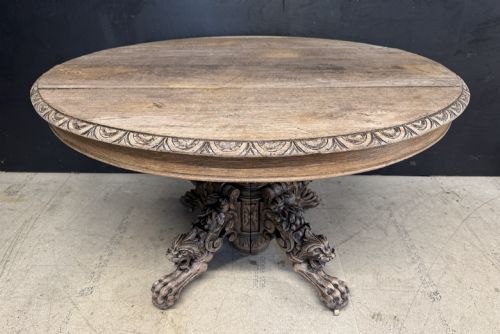
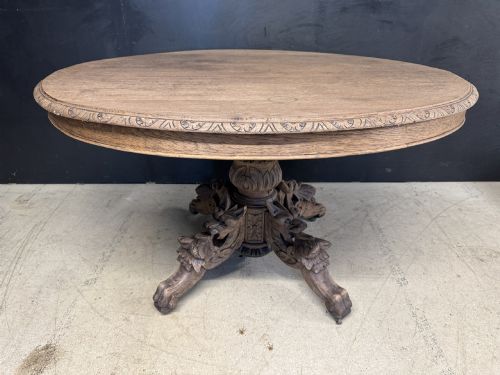
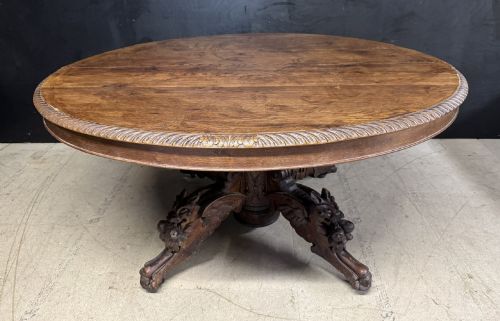
When you search for an antique hunt table, you find sturdy timber dining and serving surfaces built for communal dining and country gatherings.

Antique Hunt Table
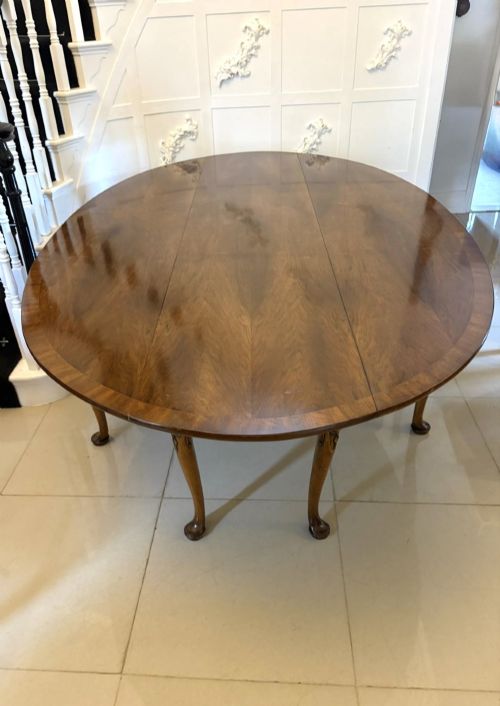
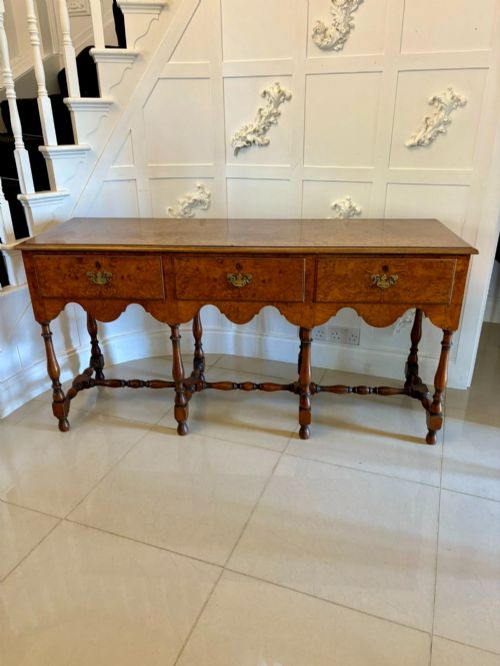
An antique hunt table typically appears as a large dining piece or a specialised occasional surface fashioned in timber to accommodate substantial gatherings. The records show examples originating from the Georgian period through to the twentieth century, utilising robust designs suited for dining rooms and country houses.
Buyers encounter variations ranging from expansive mahogany wake dining tables to smaller campaign formats and fitted serving boards. These items reflect the domestic and social habits of past centuries, often designed with drop leaves or elongated proportions to fit social rooms.
How they were made
Cabinetmakers constructed these surfaces primarily using dense timbers such as mahogany, walnut, and oak, often incorporating fine inlay work or solid gateleg framing for structural support. Joinery relied on traditional methods to ensure durability across large expanses of wood.
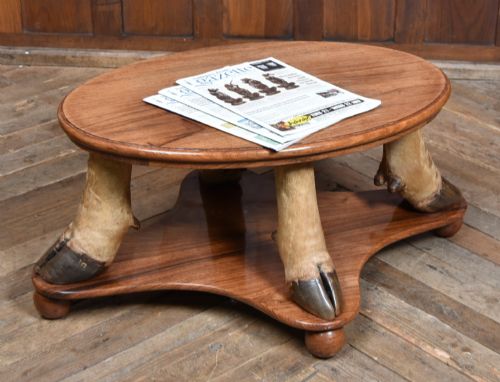
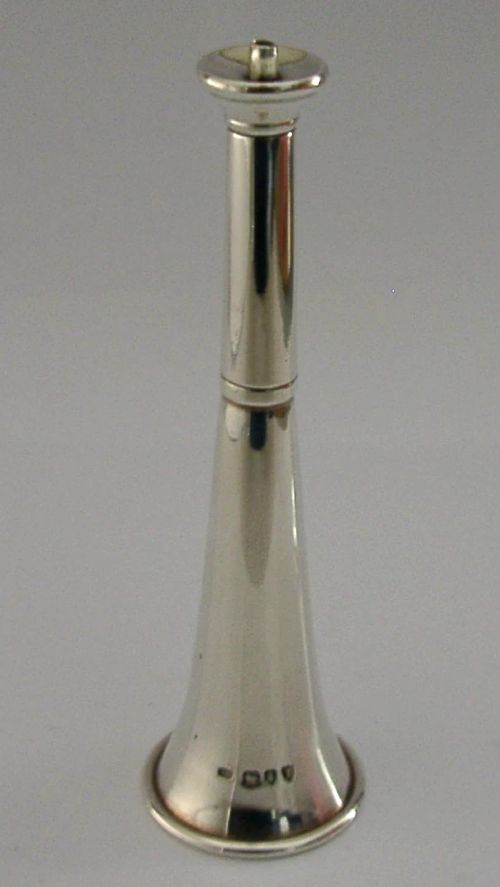
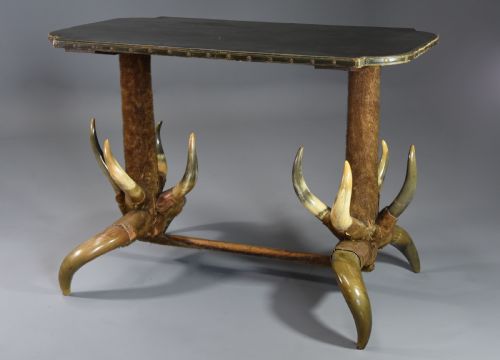
Associated items in this category incorporate metals like sterling silver, brass, and silver plate for table lighters and hunting horns, alongside organic materials such as cow horn and taxidermy elements.
A silver fox model waits patiently on the sideboard, reminding everyone of the chase.
What varies in quality
The distinction between tiers rests upon the selection of timber, such as highly figured walnut or dense old-growth mahogany, and the crispness of any inlaid details or structural turnings. Superior examples display thoughtful proportions and robust, integrated framing that withstands centuries of use.
Secondary elements like silver mounts, novelty lighter mechanisms, or hand-carved animal motifs demonstrate the artisan's precision. Better pieces retain their original surface patination and structural integrity without heavy modern interventions.
Thomas Cole and James Cole·Hunt And Roskell·Beha·Asprey
The Antique Hunt Table Glossary
- Hunt table
- A large dining or serving table, often featuring a semicircular or horseshoe shape with drop leaves, designed for serving refreshments during country sports.
- Wake table
- An exceptionally large timber dining table traditionally used for communal village feasts and wakes, supported by numerous legs for stability.
- Fusee
- A conical pulley used in clockwork movements to equalize the declining power of the mainspring as it unwinds.
- Gateleg table
- A table with hinged legs that swing out to support drop leaves when raised.
- Sterling silver
- A silver alloy containing 92.5 percent pure silver by mass, frequently utilised for table lighters and decorative novelties.
Antique Hunt Table: Frequently Asked Questions
How were hunt tables used originally?
These tables served as central gathering points during hunting parties and large social feasts, allowing hosts to serve guests efficiently in spacious dining halls.
Their substantial size and adaptable drop-leaf formats accommodated many diners comfortably before being cleared or folded away.
What woods were used for these tables?
Cabinetmakers primarily utilised dense hardwoods like mahogany, oak, and walnut to ensure the surfaces could endure heavy daily use.
Figured veneers and subtle inlay work were frequently applied to enhance the visual appeal of formal dining rooms.
How do I care for an antique wood surface?
Protect the timber by avoiding direct sunlight and maintaining consistent room humidity to prevent the wood from drying out or splitting.
Apply traditional wax polishes sparingly and buff gently with a soft cloth to maintain the natural patination built up over generations.
How can I tell the period of a table?
Examine the construction methods, underside joinery, and timber characteristics, which often reveal the technological limits and stylistic preferences of the era.
Georgian and Victorian examples display distinct turning styles, fixing types, and wood preparations that separate them from later twentieth-century reproductions.