



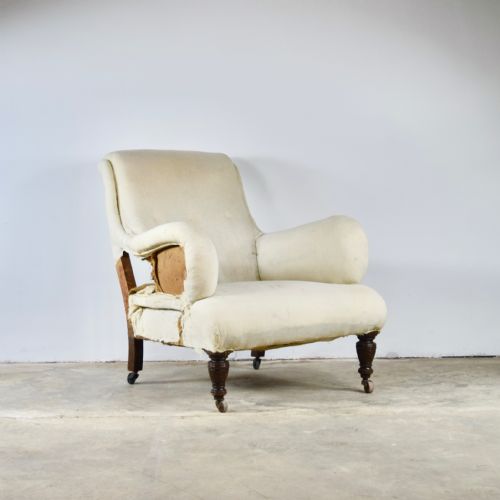
Antique Howard Furniture
Antique howard furniture offers the enduring comfort and refined joinery of a storied London workshop, sought after by collectors for lasting English style.
Antique Howard Furniture
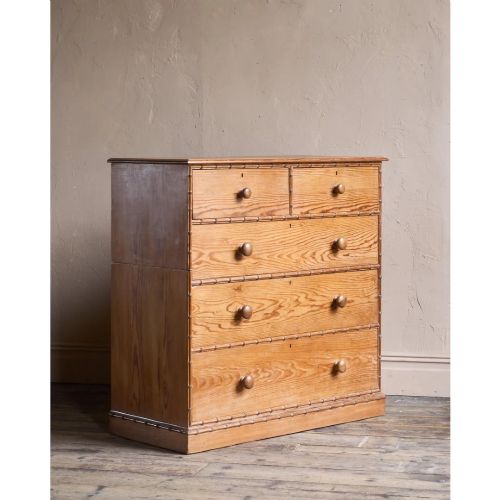
When you search for antique howard furniture, you encounter pieces originating from the nineteenth and early twentieth centuries, spanning Victorian, Edwardian, and Regency periods. The selection encompasses seating such as armchairs, sofas, and daybeds, alongside case pieces like desks, chests of drawers, sideboards, and wardrobes.
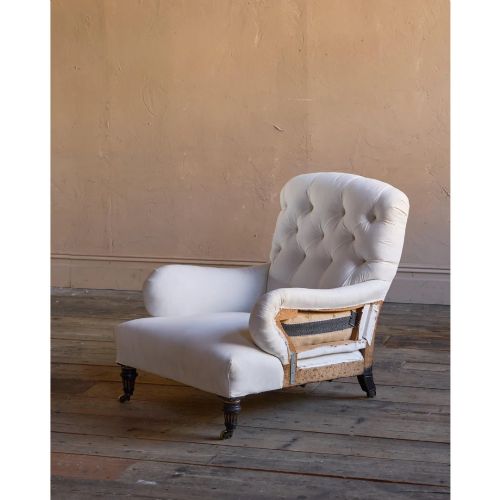
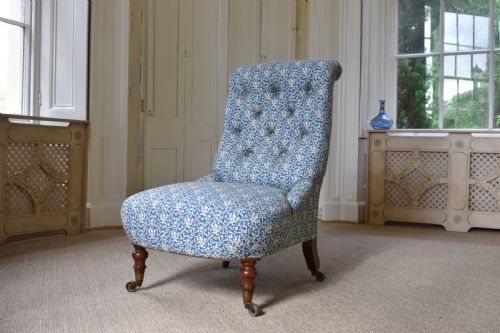
Armchairs and sofas form the core of what you meet on this page, often upholstered in calico or leather with characteristic low-slung proportions. These seating items sit alongside occasional tables, writing desks, and beds bearing the maker's stamp or stylistic hallmarks of the firm.
How they were made
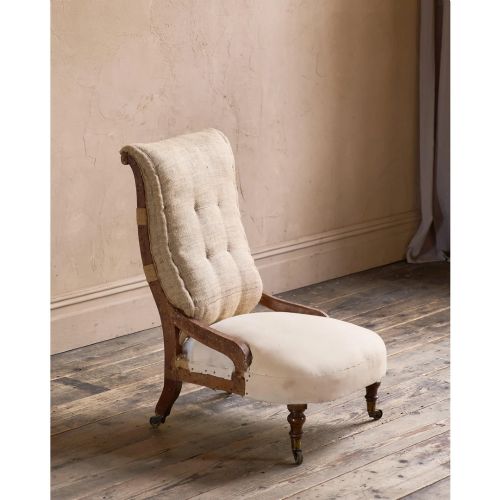
The construction relies upon solid timbers such as mahogany, walnut, satinwood, and oak, frequently paired with brass hardware and turned or tapering legs. Upholstered pieces employ traditional internal webbing and stuffing finished in plain calico or hessian beneath top covers.
Cabinet work utilises dovetailed drawer construction and figured veneer selections, reflecting standard British workshop practices of the period. Surface treatments include polished wood finishes and stamped maker details on structural elements.
Antique Howard Furniture Retail Price Guide 2026
Typical asking prices for howard furniture among the pieces listed under this phrase on Sellingantiques today, from the lower quarter to the upper quarter. They describe what is for sale here now, not the wider market.
Listings feature items spanning the 1850s to the Edwardian era, incorporating mahogany, walnut, satinwood, brass, leather, and calico.
What varies in quality
Quality differences rest in the retention of original structural timber, authentic upholstery foundations, and clear maker's stamps. Pieces retaining their original stamped brass castors and Berners Street markings command distinct attention from purists.
The sophistication of secondary woods, the crispness of turned or faux bamboo mouldings, and the integrity of the frame define the upper tier of surviving examples.
Howard and Sons
The Antique Howard Furniture Glossary
- Calico
- A plain-woven cotton fabric used historically as the primary tight upholstery stuffing cover on seating before decorative top fabrics are applied.
- Hessian
- A coarse woven fabric, often made from jute fibres, utilised for internal webbing and foundation support within traditional upholstered furniture.
- Berners Street
- The notable London address associated with the historic Howard and Sons premises where many stamped pieces were retailed.
- Satinwood
- A durable, highly figured exotic timber displaying a golden sheen, selected for fine veneer work on nineteenth-century tables and desks.
Antique Howard Furniture: Frequently Asked Questions
How do I identify genuine pieces?
Authentic items frequently display maker stamps on the wooden frame or stamped lettering upon the brass castors, notably referencing Berners Street.
Examining the internal webbing, timber grain, and construction methods helps verify period origin against later stylistic copies.
What fabrics are correct for upholstery?
Original pieces often survive beneath plain calico or hessian foundations ready for top covering, or retain traditional leather and heavy woven textiles.
Selecting traditional cloths maintains the correct aesthetic balance for Victorian and Edwardian sitting room pieces.
Are desks and tables marked?
Case furniture and writing tables may feature stamped drawer edges, paper labels, or brass plaques denoting the maker alongside serial numbers.
Unmarked examples attributed to the maker rely heavily on form, timber quality, and characteristic hardware details.
How do I care for the wood?
Keep finished mahogany, walnut, and oak surfaces away from direct sunlight and sudden temperature shifts to protect the polish and prevent timber splitting.
Applying microcrystalline wax occasionally preserves the lustre of nineteenth-century cabinet work without building up heavy residues.