

Antique Horn Mount
An antique horn mount brings the drama of the natural world and sporting life directly into the interior, merging organic material with metalwork.
Antique Horn Mount
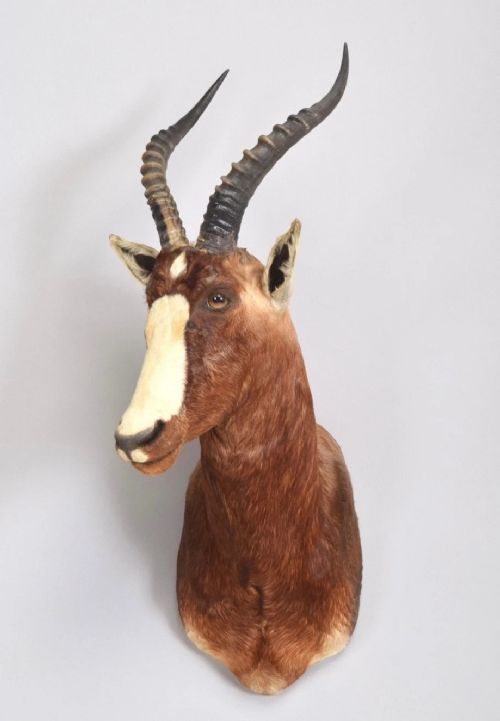
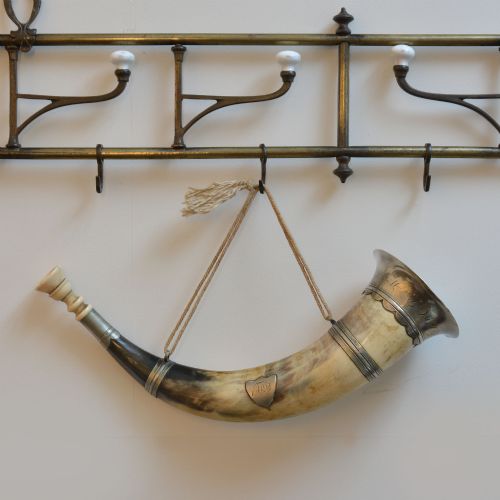
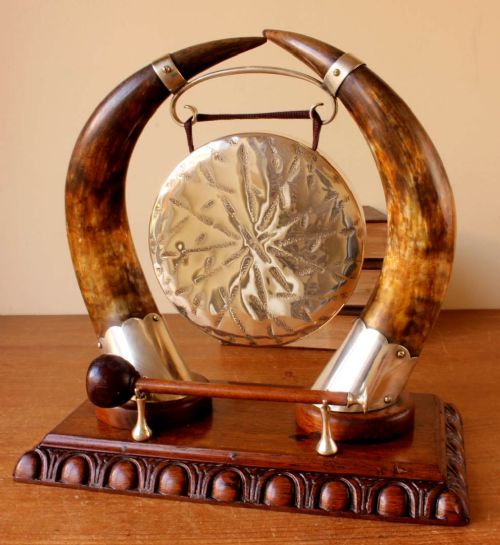
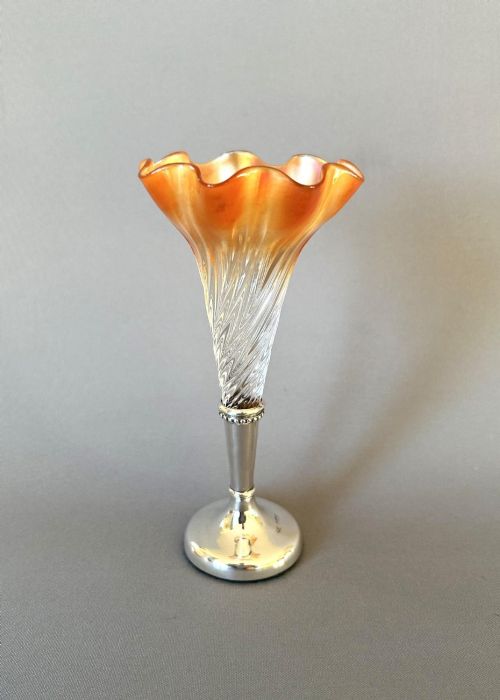
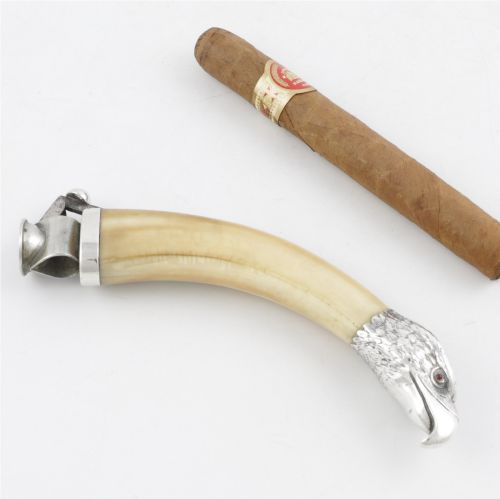
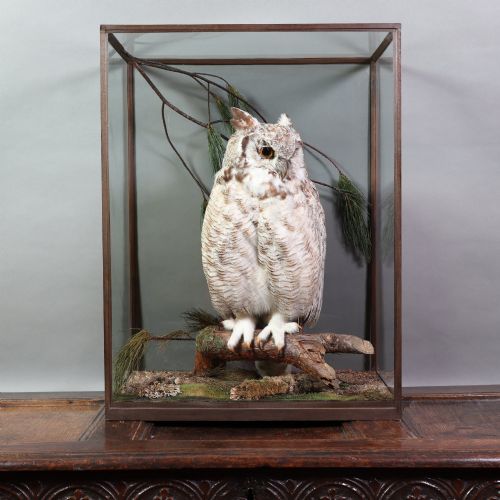
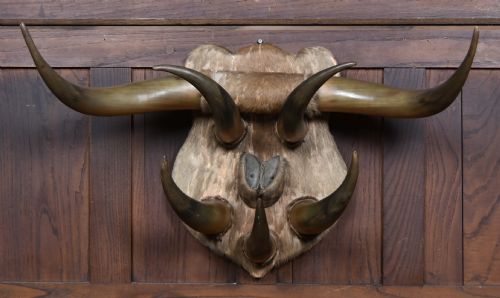
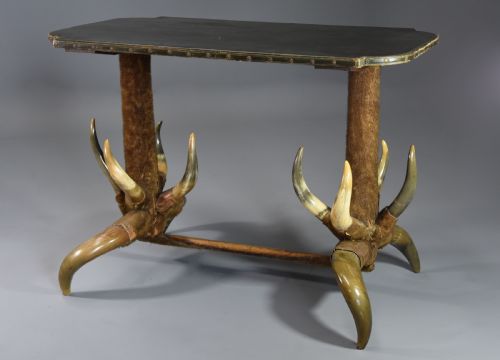
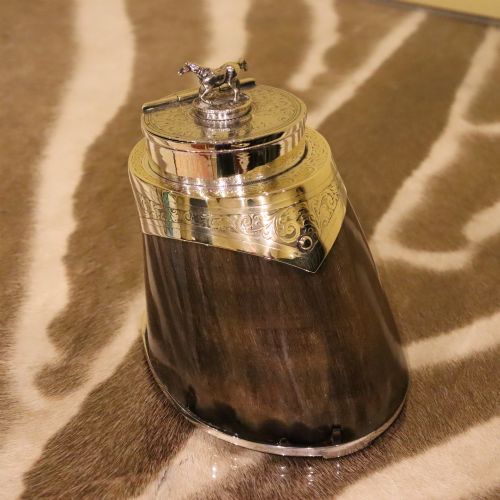
When searching for an antique horn mount, collectors encounter a diverse array of items that combine animal horn with structural supports in wood, silver, or brass. These pieces range from substantial wall trophies and hallstands to desk accessories and ceremonial drinking vessels.
The objects stem predominantly from the nineteenth and early twentieth centuries, reflecting Victorian and Edwardian passions for natural history, country house living, and field sports. Scottish traditions also feature strongly, particularly through snuff mulls and quaichs fashioned from native horn and mounted in silver.
Materials and construction methods
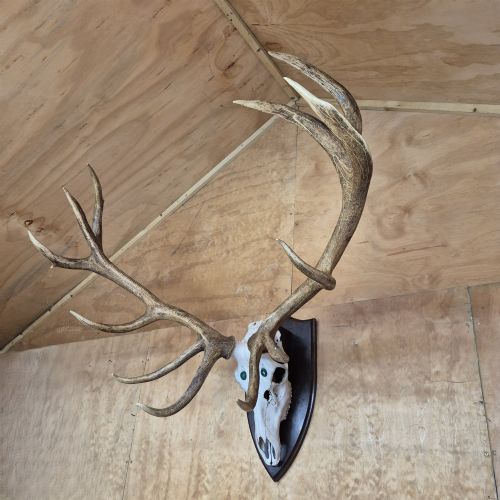
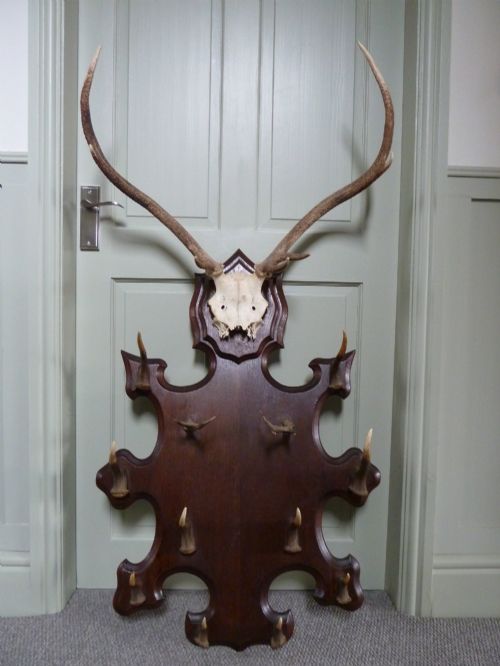
Craftsmen paired natural horn, bone, and hoof with sturdy timbers such as oak, securing the organic elements with hand-beaten silver collars, brass brackets, and iron fittings. Taxidermy mounts integrated prepared skins and skulls with fitted wooden shields.
The horn itself was often shaped through boiling and pressing, or carved with intricate surface decoration in powder flasks and snuff boxes. Metals like sterling silver and silver plate provided rims, lids, and mounts that reinforced the fragile organic edges.
Antique Horn Mount Retail Price Guide 2026
Typical asking prices for horn mount among the pieces listed under this phrase on Sellingantiques today, from the lower quarter to the upper quarter. They describe what is for sale here now, not the wider market.
Periods represented span from the 18th century through the Victorian and Edwardian eras into the interwar period.
Distinctions in quality
Quality rests on the integrity of the taxidermy preservation, the symmetry and scale of the natural horns or antlers, and the weight of the precious metal mounts. Pieces attributed to documented firms or prominent taxidermists demonstrate superior articulation and anatomical accuracy.
The integration between the organic horn and its manufactured mount determines the overall success of the piece. Finer examples maintain stable horn without severe cracking, paired with hallmarked silver fittings and well-seasoned backing boards.
Rowland Ward Ltd·Edward Gerrard & Sons·Brigg·Swaine Adeney·John Meek
The Antique Horn Mount Glossary
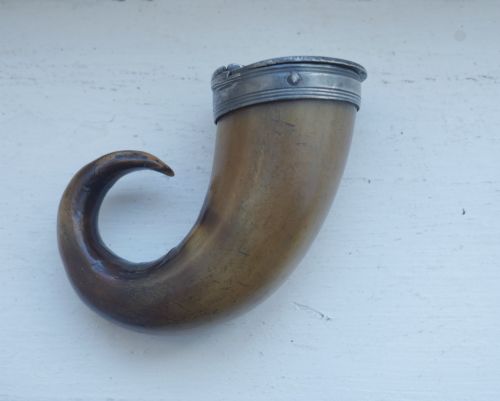
- Snuff mull
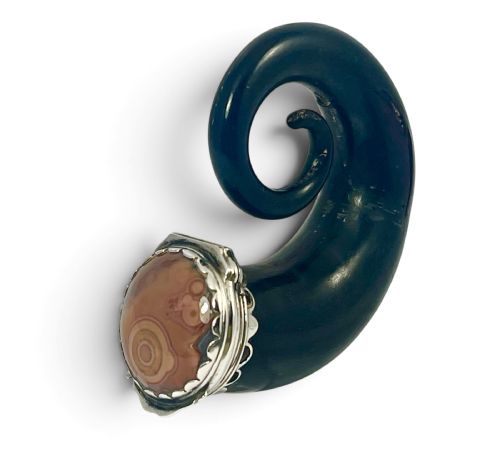
- A pocket-sized container for holding dry snuff, traditionally fashioned from a ram's or cow's horn and often fitted with a hinged silver lid.
- Quaich
- A traditional Scottish two-handled drinking vessel, occasionally produced in horn with silver rim mounts.
- Powder flask
- A flask used to carry gunpowder, frequently constructed from horn with brass or steel spring mechanisms for measuring charges.
- Taxidermy mount
- The art of preparing and mounting animal skins, horns, or heads for permanent display.
- Desk tidy
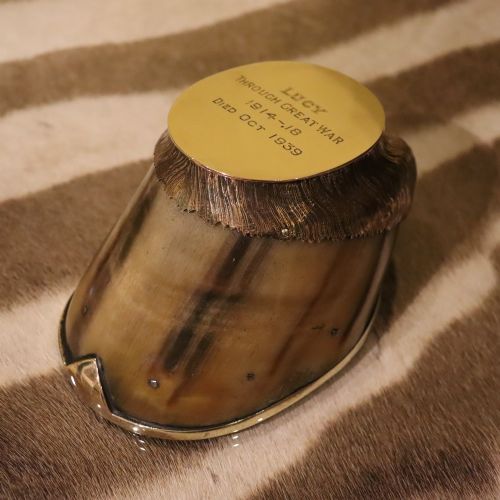
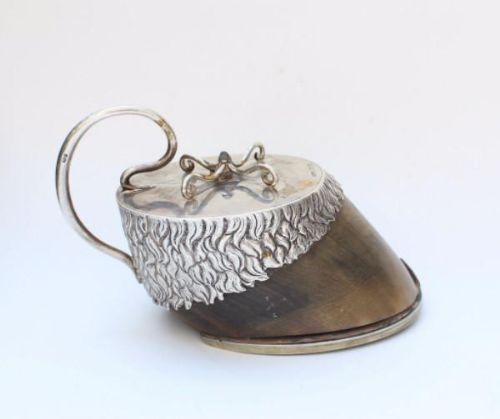
- A compartmentalised desk accessory designed to hold stationery, inkwells, or writing implements, sometimes utilising animal hooves or horns.
Antique Horn Mount: Frequently Asked Questions
How do I clean an antique horn mount?
Dust the horn gently with a dry, soft cloth to remove surface particles without damaging the natural surface.
Avoid using water, chemical polishes, or heavy waxes, as moisture can cause horn and bone to warp or crack over time.
Are these pieces from the Victorian period?
Many items originate from the nineteenth century, spanning the Victorian and Edwardian eras when natural history collections flourished.
Some examples extend into the early twentieth century, reflecting enduring country house aesthetic traditions.
What animals were used for these mounts?
Craftsmen utilised cattle horns, red deer antlers, ram horns, and exotic trophies such as antelopes and waterbuck.
Equine elements, including horse hooves, also appear frequently in desk accessories and inkwells.
How were horn mounts used originally?
Items served practical roles in country houses, hunting lodges, and offices as hallstands, hunting bugles, and desk inkwells.
Others functioned as personal accessories, including walking sticks, snuff mulls, and powder flasks.