
Antique Home Office
An antique home office setup gathers practical writing tables, robust pedestals and fitted bureaux spanning several centuries of cabinet-making.
Antique Home Office
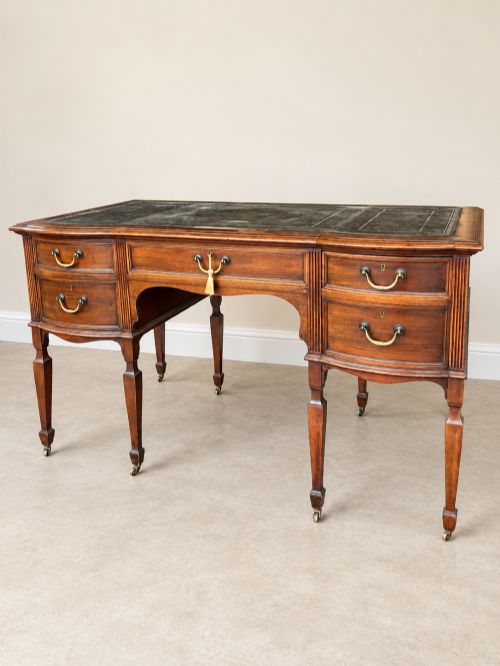
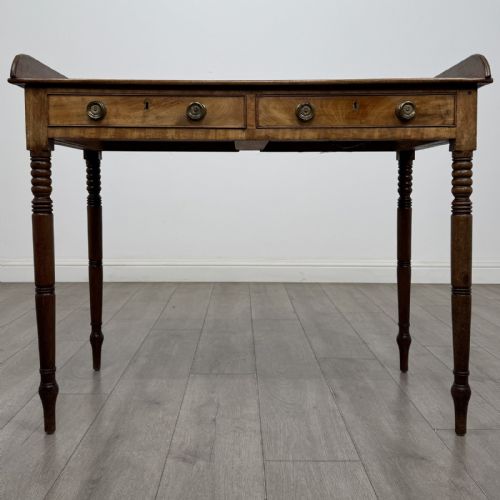
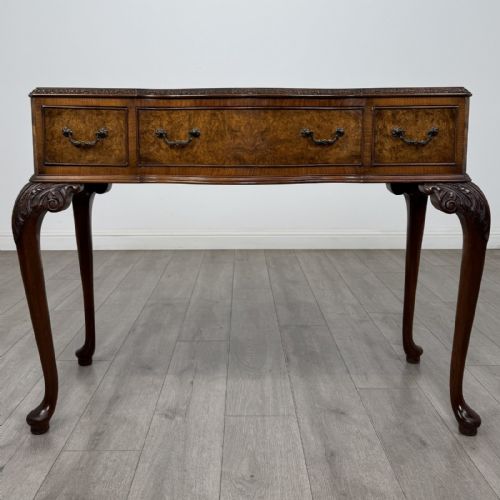
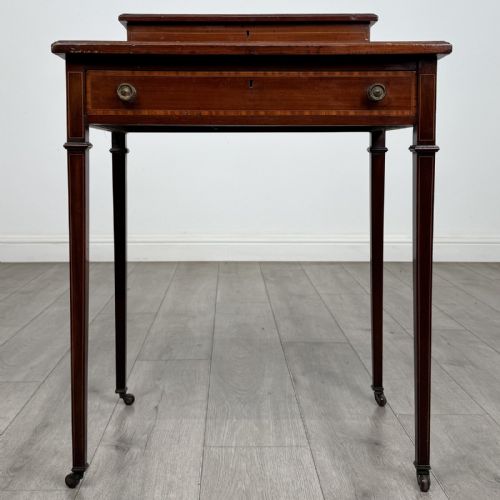
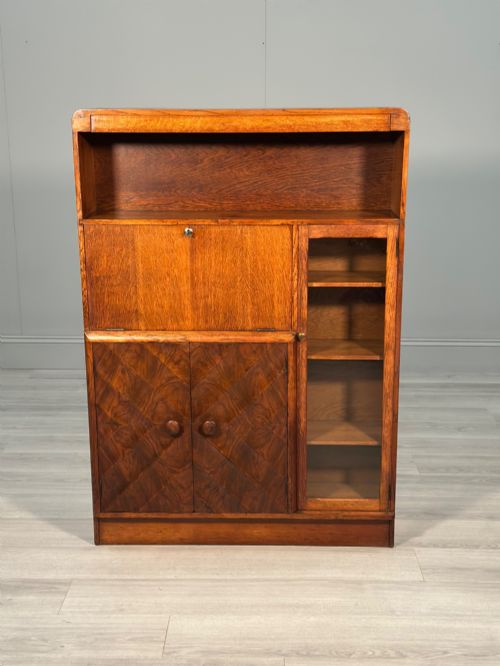
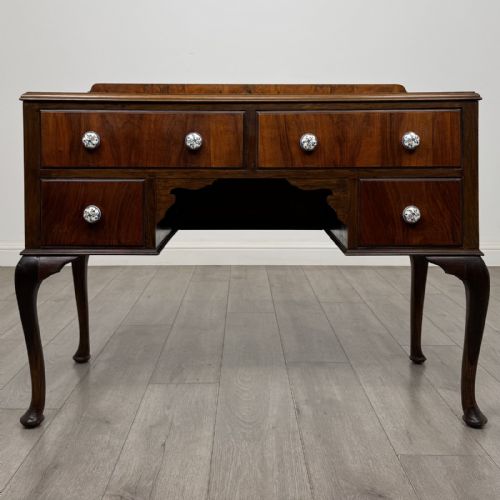
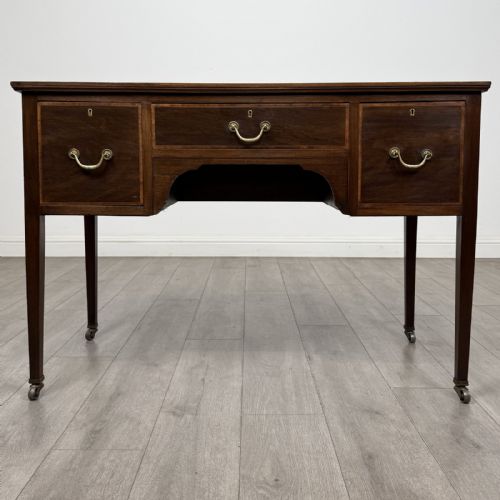
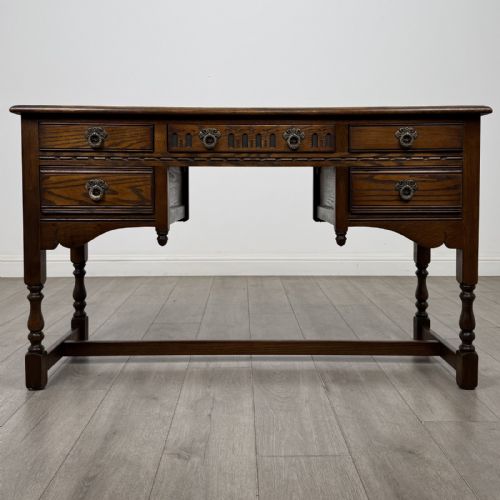
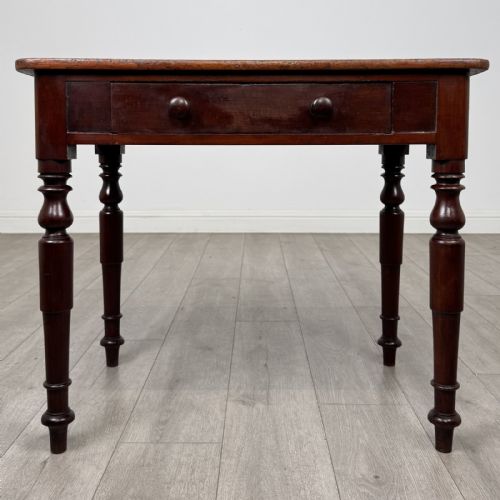
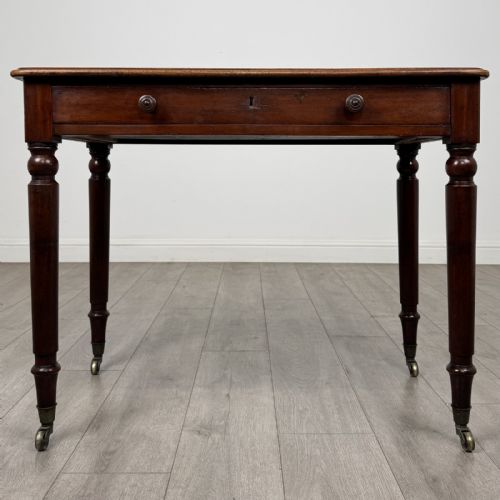
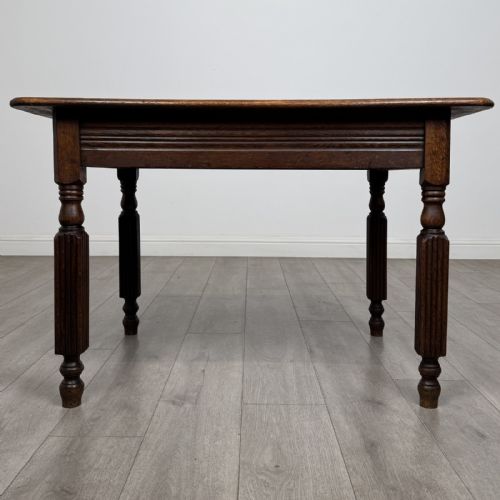
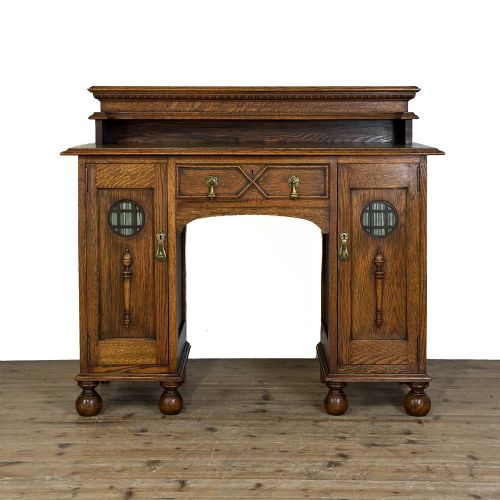
When you search for an antique home office, you are looking at functional workspace furniture designed for private study and correspondence. The pieces available range from simple writing tables to large twin pedestal desks and tall bureau bookcases.
The Edwardian and Victorian periods provide the bulk of the writing tables on this page, typically constructed in mahogany, walnut or oak. Earlier Georgian examples and later Art Deco pieces also appear, offering varied aesthetic approaches to domestic workspace.
Forms include kidney-shaped writing desks, tambour desks and secretaire chests, each intended for specific administrative tasks. These items transform a modern workspace by introducing period timber and traditional craftsmanship.
Materials and construction methods
Cabinet-makers relied heavily on solid hardwoods and choice veneers, utilising mahogany, walnut and oak for primary frames and structural integrity. Burr walnut and satinwood provided decorative grain patterns on drawer fronts and writing surfaces.
Inlaid details, brass hardware and inset leather writing panels formed standard finishing touches on quality desks. Joinery techniques such as dovetailed drawers and panelled construction ensured durability across decades of daily use.
The listings span the Georgian, Victorian, Edwardian and Art Deco periods, utilising oak, mahogany, walnut, satinwood and brass.
Distinguishing features of finer pieces
Quality rests primarily on timber selection and cabinet-making execution, distinguishing standard utilitarian furniture from exceptional commissions. Figured veneers, such as burr walnut or flame mahogany, elevate the visual presence of a desk significantly.
Maker attribution and original hardware further separate superior examples from ordinary production. Pieces bearing stamps from notable firms display finer carving, crisper inlay and more sophisticated interior pigeonhole arrangements.
E Gomme·Johnstone & Jeanes·Edwards & Roberts
The Antique Home Office Glossary
- Pedestal desk
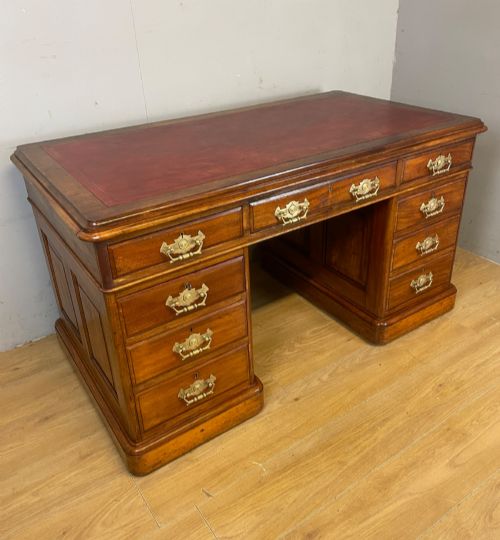
- A heavy freestanding desk comprising two supporting banks of drawers with a central recess for the user.
- Writing table
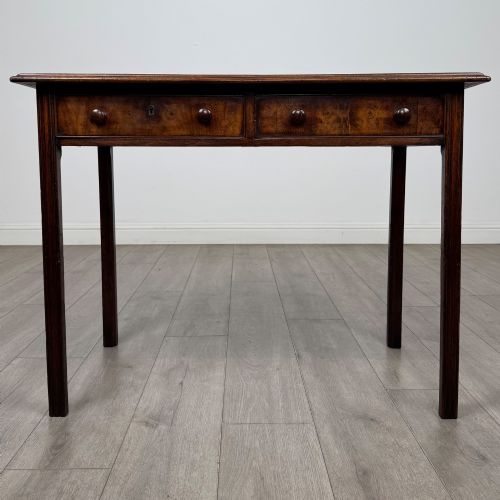
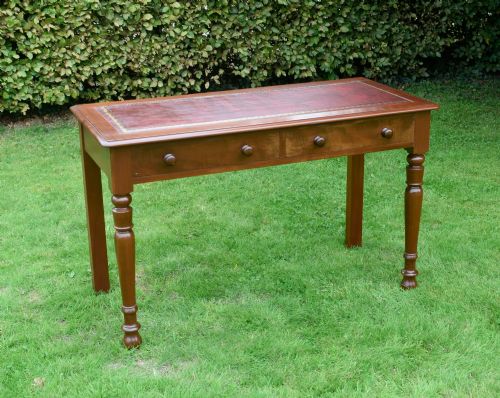
- A freestanding table with one or more drawers beneath the top, designed primarily for writing rather than heavy clerical work.
- Bureau bookcase
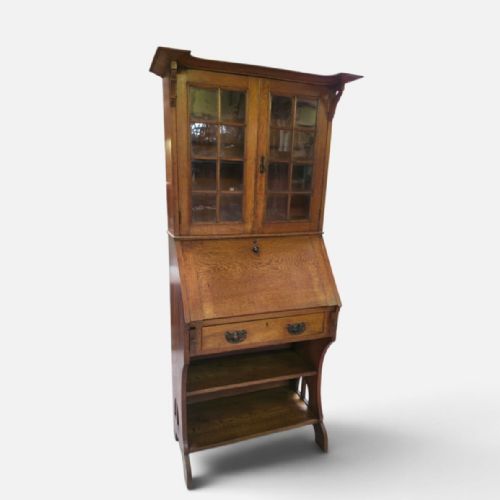
- A tall two-part piece featuring a sloping desk flap above lower drawers, surmounted by glazed shelving doors.
- Tambour
- A flexible shutter made of narrow strips of wood glued to canvas, sliding in grooves to conceal desk compartments.
- Secretaire
- A cabinet or chest incorporating a pull-down writing drawer that conceals small drawers and pigeonholes.
Antique Home Office: Frequently Asked Questions
How do I date a wooden desk?
Dating relies on examining construction methods, timber choices and hardware styles. Hand-cut dovetails and native secondary woods typically indicate earlier periods.
Secondary indicators include drawer linings, lock mechanisms and the presence of maker stamps or paper labels inside the drawers.
Are leather writing surfaces original?
Many period desks retain their original tooled leather surfaces, though replacement leather remains common due to centuries of wear. Replacement work often matches historical tooling patterns and gilt borders.
Inspect the edges of the leather insert and the surrounding timber rebate to determine whether the hide has been renewed.
How do I care for antique desk timber?
Maintain antique wood by keeping pieces away from direct heat sources and fluctuating humidity. Apply occasional applications of quality beeswax to nourish the polished surface.
Avoid modern silicon-based sprays, which can penetrate damaged finishes and discolour historical timber over time.