







Antique Historical Bust
An antique historical bust brings the physical presence of a statesman, ruler, or thinker directly into a room.
Antique Historical Bust
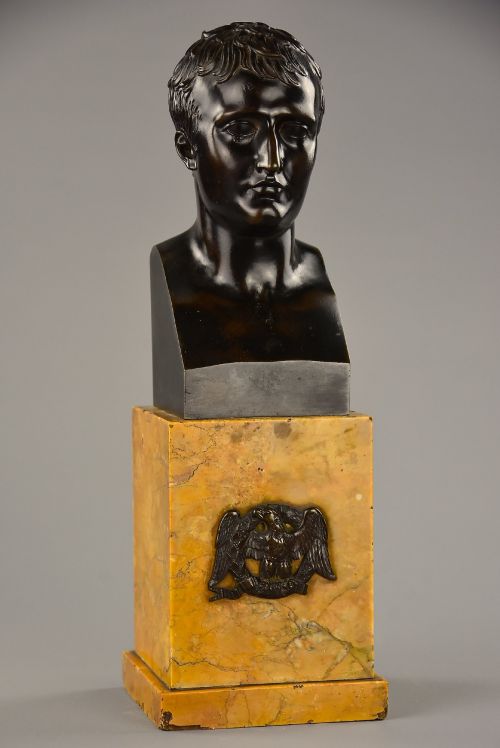
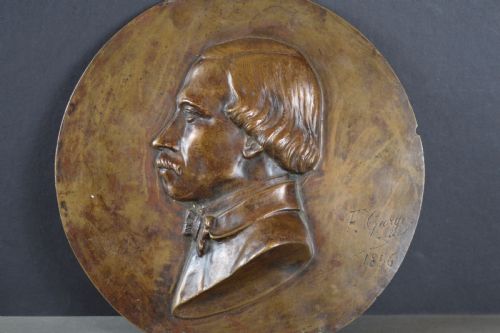
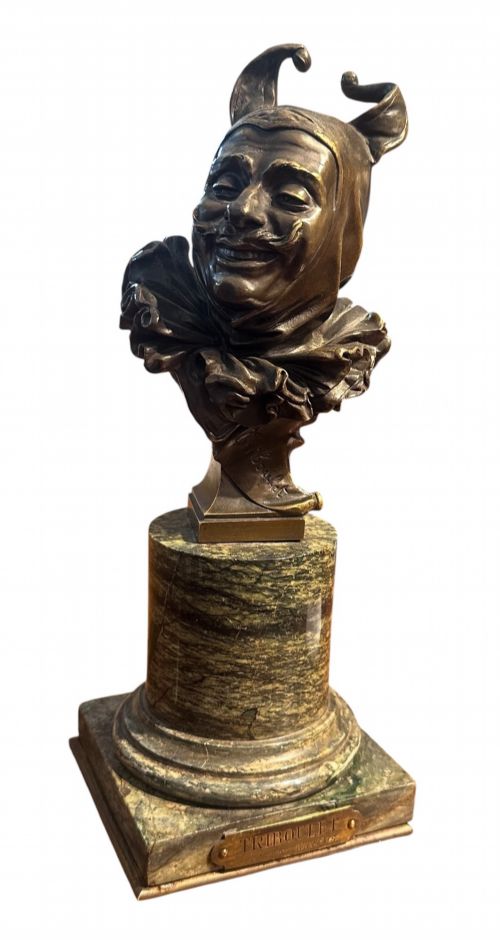
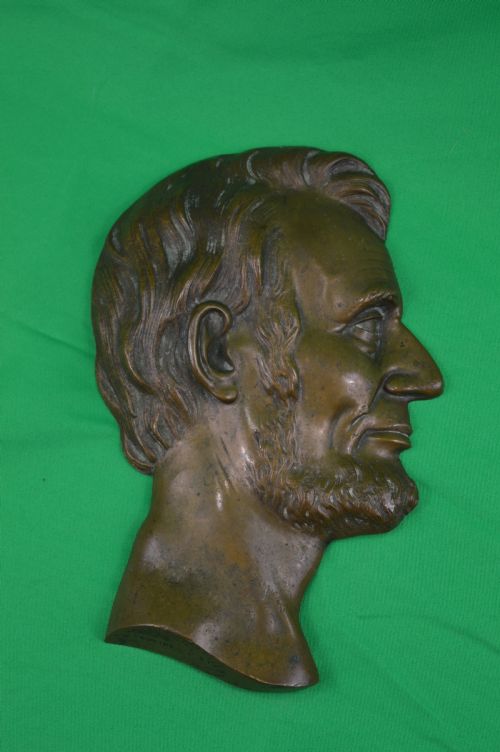
An antique historical bust captures recognizable historical figures, leaders, and cultural icons in three dimensions. The selections on this page span the 18th century, 19th century, Edwardian, and Victorian eras, alongside related oil paintings and plaques.
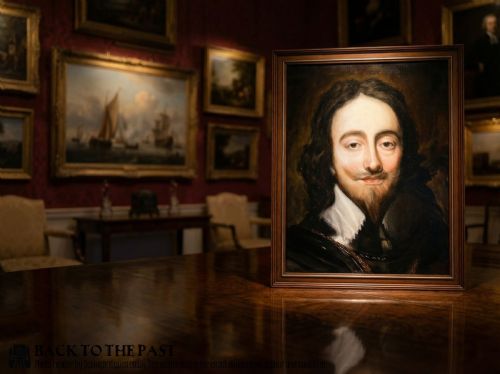
Makers and artists referenced in these works include Anthony Van Dyck, Alice Gates, Antonio Rossellino, Willems, Adolphe Jean Lavergne, Sir Joshua Reynolds, and F George. These pieces represent significant political, literary, and religious subjects from European and American history.
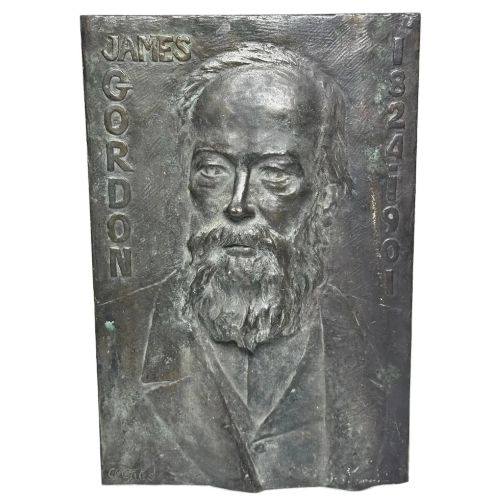
The forms vary widely from free-standing table sculptures in bronze and plaster to wall-hung plaques and framed oil portraits on canvas. Each object serves as both a portrait study and a tangible link to a specific historical epoch.
Materials and construction methods
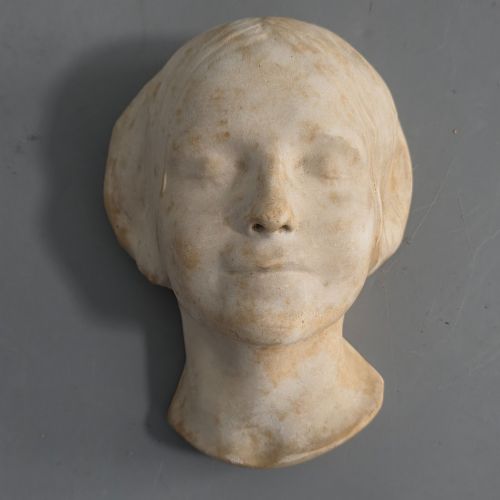
Metal sculptures on this page are predominantly cast in bronze, capturing fine facial details and uniform patination. Softer mediums such as plaster, terracotta, and alabaster allow for expressive modelling and detailed carving by the sculptor.
Wooden sculptures rely on direct carving techniques into dense timber, showing the deliberate chisel marks of the artisan. Painted works utilise oil on canvas to render likenesses of historical figures with layered pigments and glazes.
Antique Historical Bust Retail Price Guide 2026
Typical asking prices for historical bust among the pieces listed under this phrase on Sellingantiques today, from the lower quarter to the upper quarter. They describe what is for sale here now, not the wider market.
Listings feature works spanning the 18th century, 19th century, Victorian, and Edwardian periods, executed in bronze, plaster, wood, and stone.
Distinguishing quality in portrait sculpture
The choice of medium and the reputation of the sculptor or foundry elevate the standing of a piece. Signed works by documented makers and finely preserved patinas distinguish works of distinction from utilitarian reproductions.
Anthony Van Dyck·Alice Gates·Antonio Rossellino·Adolphe Jean Lavergne·Sir Joshua Reynolds
The Antique Historical Bust Glossary
- Patina
- The surface sheen and coloration developed on metal, wood, or stone over time through age and handling. This thin layer helps identify the authentic age of a sculpture.
- Relief
- A sculptural technique where the figures project from a flat background rather than existing in the round. Plaques often utilise this method to depict profiles.
- Plaster
- A workable composition material poured into moulds to create detailed three-dimensional casts. It provides a lightweight alternative to metal or stone.
Antique Historical Bust: Frequently Asked Questions
What materials are used for historical busts?
Sculptures on this page are constructed from bronze, wood, plaster, terracotta, stone, and alabaster. Painters utilised oil on canvas for portrait works.
Each material dictates the weight and method of display suitable for the piece.
How do I identify the subject of a bust?
Subjects are identified through inscribed titles, accompanying documentation, or distinct iconography associated with specific historical figures. Famous leaders, literary figures, and religious subjects are frequently named directly in the listing.
Comparison with period paintings and coinage helps confirm the likeness.
Where should I display a heavy bronze bust?
Bronze and stone sculptures require sturdy furniture such as a strong sideboard, desk, or dedicated column pedestal. Ensure the surface can support the concentrated weight of metal or heavy stone.
Keep pieces away from direct heat sources to protect any underlying wooden bases or patinated surfaces.
Are these pieces signed by the artist?
Some sculptures feature signatures, foundry marks, or attribution notes carved or cast into the base or reverse. Signed works by makers like Adolphe Jean Lavergne provide clear authorship.
Unsigned works are attributed based on stylistic evidence, period characteristics, and historical records.