







Antique Hindu Deity
These antique hindu deity carvings and statues bring centuries of devotional art into your home, spanning Indian, Javanese, and Balinese traditions.
Antique Hindu Deity
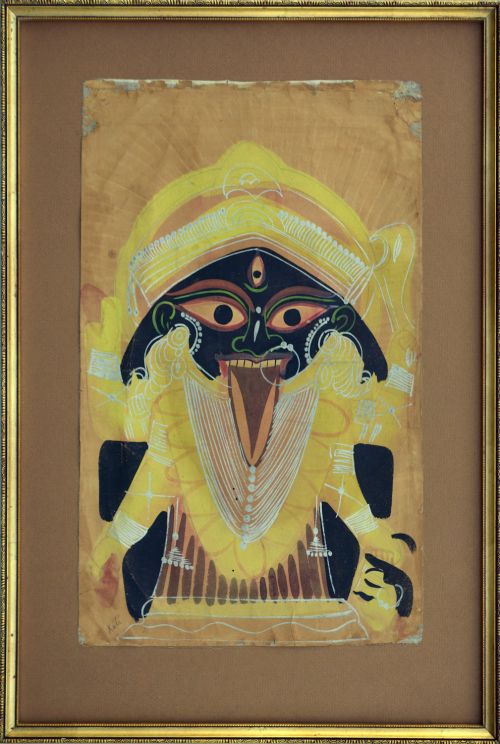
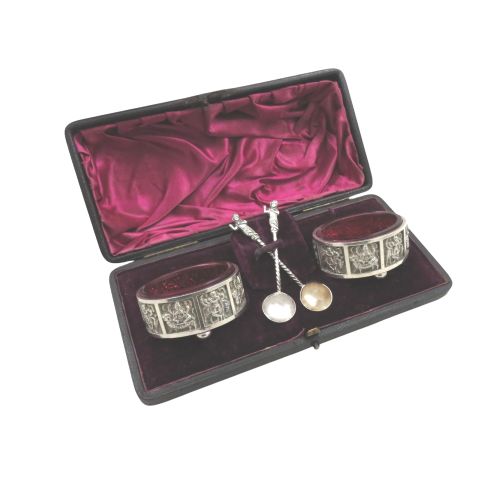
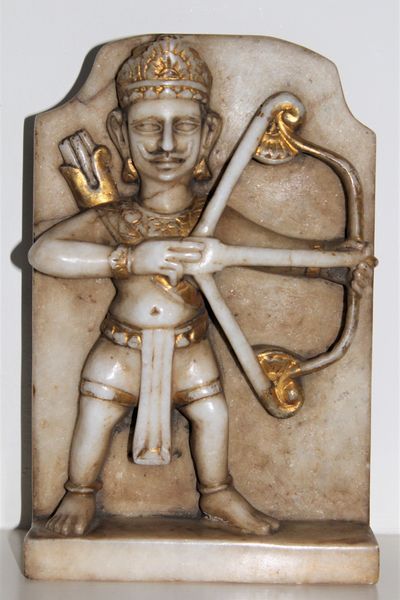
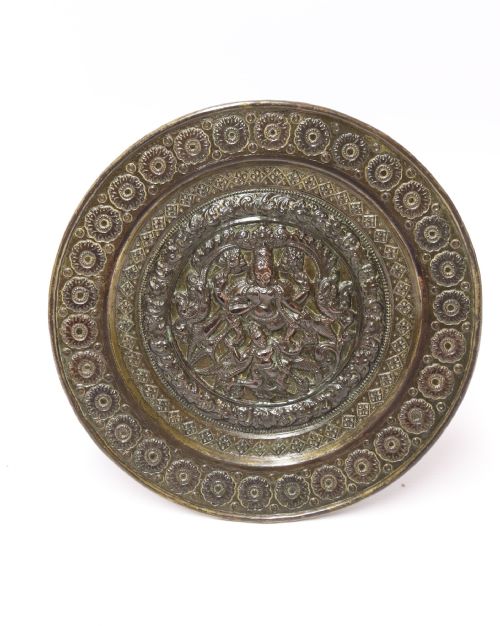
An antique hindu deity encompasses cast metal figures, carved hardwood sculptures, and stone reliefs depicting revered figures such as Shiva, Vishnu, Ganesha, and Parvati. You encounter everything from large, heavy bronze statues to smaller household items like silver card cases and salt cellars decorated with divine imagery.
The material origins trace across regions from South India to Java and Bali, reflecting diverse local interpretations of sacred iconography. Pieces range from pre-sixteenth century stone reliefs and Javanese copper alloy figures to nineteenth-century hardwood carvings and Victorian silverwork.
Forms vary significantly, moving from free-standing sculptural statues to architectural carvings and framed plaques. The version you are most likely to meet on this page is a nineteenth-century Indian bronze figure or a hardwood carving from regional traditions.
Materials and methods
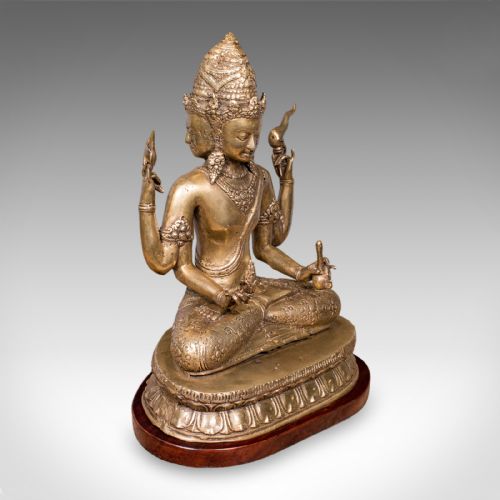
Metal sculptures rely on traditional casting methods, predominantly utilising bronze, copper alloy, brass, and sterling silver, sometimes enhanced with gold leaf or gilding. These metals allow for intricate detailing in the figures' adornments and gestures.
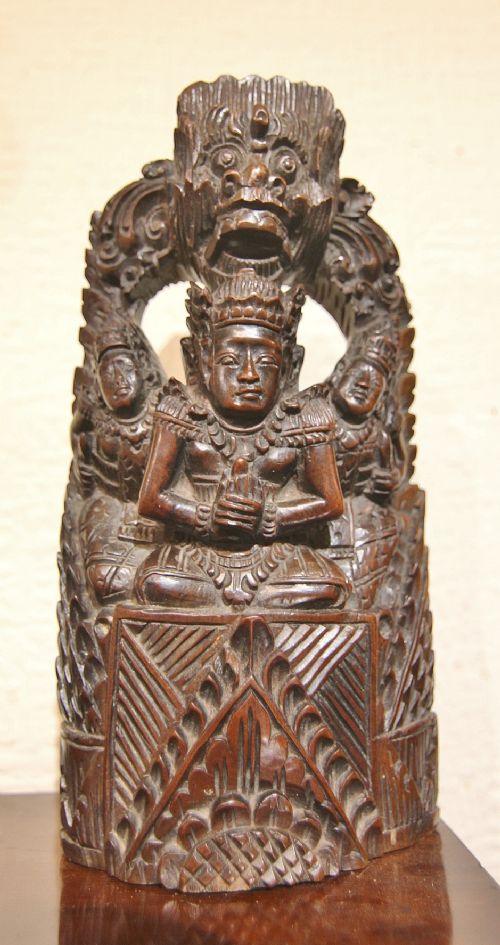
Carved works utilise various woods, including hardwoods and stained timber, alongside sandstone, marble, alabaster, and stone. Artisans shape these materials using hand-carving techniques to produce deep relief panels and three-dimensional figures.
Surface decoration often involves repoussé work on silver items and detailed chisel finishing on bronzes to define facial expressions and sacred attributes.
Antique Hindu Deity Retail Price Guide 2026
Typical asking prices for hindu deity among the pieces listed under this phrase on Sellingantiques today, from the lower quarter to the upper quarter. They describe what is for sale here now, not the wider market.
A four-kilogram bronze statue of Ganesha stands ready to weigh down your paperwork with divine authority.
Assessing craftsmanship
Quality rests in the crispness of the casting or the depth and precision of the carving, distinguishing masterwork sculptures from standard decorative items. Finer bronzes retain sharp definition in fingers, garments, and ritual objects without soft or blurred edges from worn moulds.
Material weight and purity dictate the baseline quality of metal pieces, with heavier copper alloys and solid silver demonstrating substantial substance. In wooden and stone carvings, the vitality of the posture and the anatomical proportion signal the carver's skill.
The Antique Hindu Deity Glossary
- Bronze
- A copper and tin alloy traditionally used for casting durable sculptural figures with detailed patination.
- Repoussé
- A metalworking technique where the design is hammered into relief from the reverse side of a silver or copper sheet.
- Hardwood
- Dense timber derived from broad-leaved trees, selected for intricate and long-lasting sculptural carvings.
- Relief carving
- A sculptural technique where figures project from a flat background surface, common in architectural panels.
- Copper alloy
- A mixture containing copper combined with metals like zinc or tin, widely utilised for early Asian statues.
Antique Hindu Deity: Frequently Asked Questions
How old are these deity figures?
The selection spans from pre-sixteenth century stone reliefs and early Javanese copper alloys up to nineteenth-century bronzes, Victorian silver pieces, and early twentieth-century wooden carvings.
Specific dating depends on the material, regional stylistic traits, and documented provenance accompanying each individual sculpture.
Where were these pieces made?
Origin points include regions across India, such as Rajasthan and the South, alongside Indonesian islands like Java and Bali.
Each region developed distinct sculptural styles, utilising local materials like sandstone in northern India or dense hardwoods in Bali.
How do I care for bronze statues?
Bronze figures require minimal intervention, needing only gentle dusting with a soft, dry cloth to preserve their natural patina.
Avoid using chemical polishes, abrasive cleaners, or oils, as these can strip the historic surface finish and alter the metal.
What deities appear in these listings?
Depictions commonly feature major Hindu figures including Shiva in forms like Nataraja, Vishnu accompanied by Garuda, Ganesha, and the goddess Parvati.
Other representations include Buddhist figures and regional deities originating from Sino-Tibetan and Javanese traditions.