






Antique High Chest
An antique high chest provides serious vertical storage with unmistakable period presence, bringing warmth and character to any room.
Antique High Chest
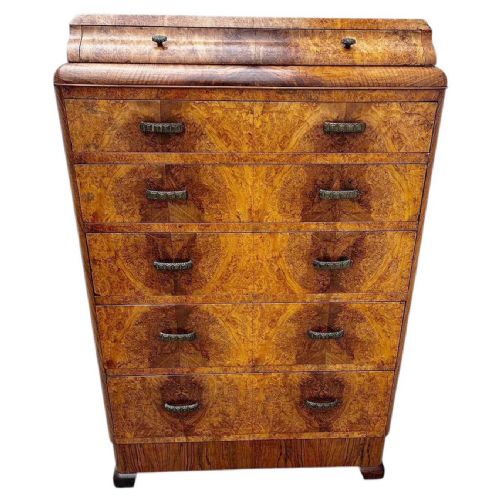
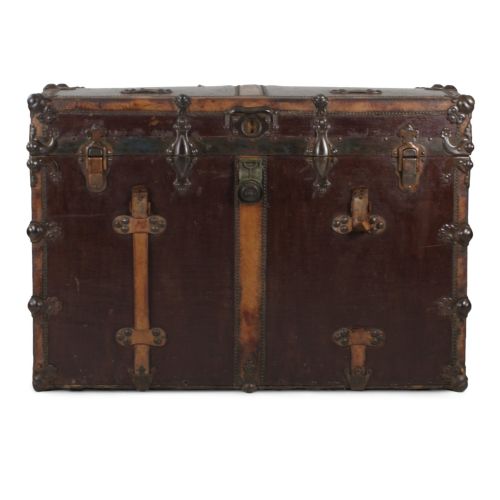
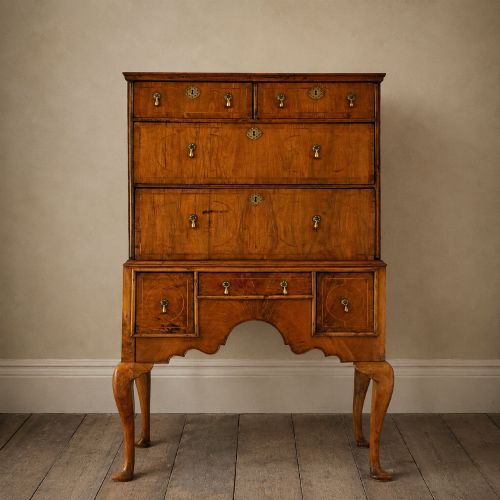
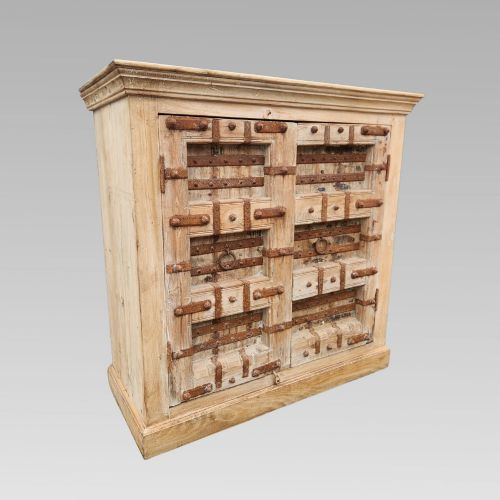
When you search for an antique high chest, you encounter a varied group of elevated storage furniture designed to maximise capacity while occupying a compact footprint. These pieces range from towering tallboys and chests on stands to camphorwood trunks and fitted dressing chests.
The selections span multiple centuries and design traditions, running from early walnut examples through Georgian proportions to Art Deco burr walnut pieces. Oak, mahogany, and walnut appear frequently, alongside occasional painted finishes and leather bindings.
The most common forms on this page include traditional chests on stands, compact tallboys, and deep storage trunks. Each piece offers a distinct way of handling vertical space, rooted in the specific craftsmanship of its period.
Materials and construction
Cabinetmakers built these tall forms using robust timbers such as oak, mahogany, and walnut, often applying decorative veneers like burr walnut and crossbanding to primary surfaces. Solid secondary woods provide structural integrity to drawer linings and internal framing.
Hardware plays a defining role in construction, with brass handles, escutcheons, and hinges securing doors and drawers. Metal mounts and leather bindings also appear on specific travel trunks and utilitarian chests of the later nineteenth century.
Antique High Chest Retail Price Guide 2026
Typical asking prices for high chest among the pieces listed under this phrase on Sellingantiques today, from the lower quarter to the upper quarter. They describe what is for sale here now, not the wider market.
Camphorwood chests brought exotic scents across the oceans, guarding uniforms from moths while carrying the faint aroma of distant ports.
What separates the best examples
Quality in these elevated storage pieces rests on the crispness of the cabinetwork and the choice of timber figure. Finer examples display carefully matched veneers, tight dovetail joints, and well-proportioned cornices that balance the height of the piece.
The integrity of the structural joinery and the retention of original hardware distinguish superior items from standard production. Associated stands or later alterations influence how a piece is judged by those who study period furniture.
The Antique High Chest Glossary
- Tallboy
- A tall chest of drawers, typically comprising a chest on a chest or a chest raised on a frame. This form provides substantial drawer space within a narrow floor area.
- Chest on Stand
- A chest of drawers elevated on a separate frame or base with legs. Early eighteenth-century examples frequently utilise this configuration.
- Crossbanding
- A narrow strip of veneer applied to the borders of a furniture surface so that the grain runs at right angles to the central panel. This technique frames drawer fronts and tabletops.
- Burr Walnut
- A specialised wood veneer taken from the warted growths of walnut trees. It yields complex, swirling grain patterns highly prized by cabinetmakers.
Antique High Chest: Frequently Asked Questions
What is an antique high chest?
An antique high chest is a tall storage furniture piece designed to hold garments or goods while taking up minimal floor space. These items include tallboys, chests on stands, and specialised trunks.
Cabinetmakers built these forms across the eighteenth, nineteenth, and early twentieth centuries using woods such as walnut, mahogany, and oak.
How do I date a high chest?
Dating a high chest involves examining the timber species, construction methods, hardware, and stylistic details. Dovetail joints, handles, and veneer techniques shift visibly from the Queen Anne period through the Georgian era and into the twentieth century.
Comparing the secondary woods inside the drawers with known period practices helps confirm the age of the piece.
Where should I place a high chest?
These tall pieces suit bedrooms, hallways, and living spaces where vertical storage is required without blocking floor circulation. Their elevated proportions draw the eye upward and work well against high walls.
Ensuring stable placement away from direct heat sources protects the timber and veneers over time.
What is a chest on a stand?
A chest on a stand consists of a main drawer section raised upon a distinct base with legs, popular during the early eighteenth century. This form lightened the visual weight of tall storage.
Some examples feature associated stands where the base and upper chest date from slightly different periods.