







Antique Heraldic Silver
Antique heraldic silver brings personal lineage and historical arms to the table, uniting precious metals with centuries of family identity.
Antique Heraldic Silver
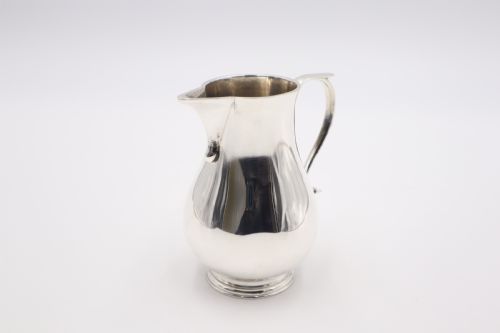
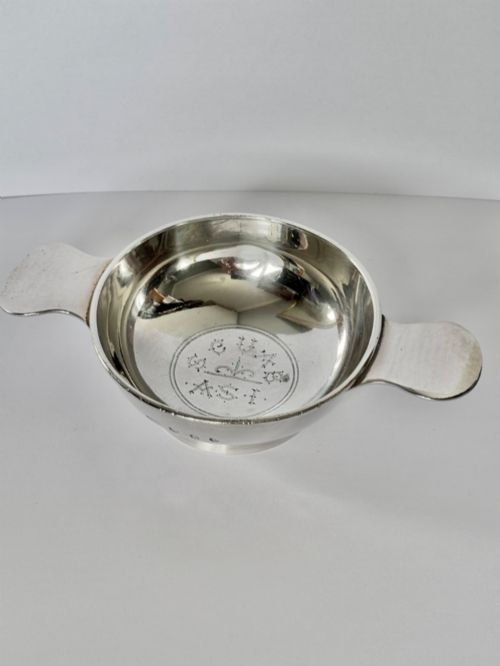
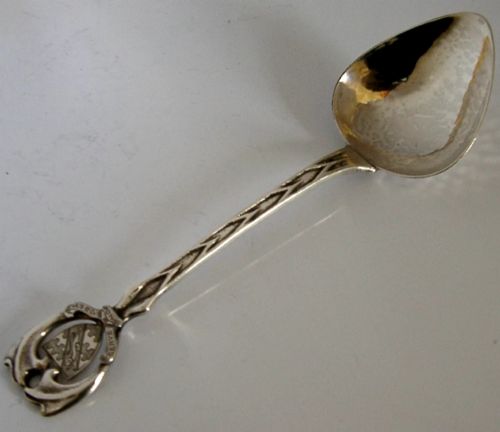
Antique heraldic silver encompasses items marked with coats of arms, crests, badges, or armorial devices, spanning periods from the seventeenth century through to the twentieth century. These pieces include salvers, spoons, vesta cases, scent flasks, and wine coolers that served distinguished households.
The most common forms on this page range from heavy George III and Victorian tableware bearing engraved crests to Edwardian accessories finished with polychrome enamel. Styles shift across the eras from Baroque and Georgian severity to ornate Victorian and clean Art Deco lines.
Objects originate primarily from British workshops, though items incorporate various base metals and plated techniques alongside solid sterling silver. Each piece records a distinct family lineage or institutional association through finely chased or engraved armorials.
Materials and construction methods
Makers utilised sterling silver, silver gilt, and old Sheffield plate as the primary metallic bases for armorial wares. Artisans applied hand-chasing, deep engraving, and cast silver elements like dragon finials to articulate the heraldic details.
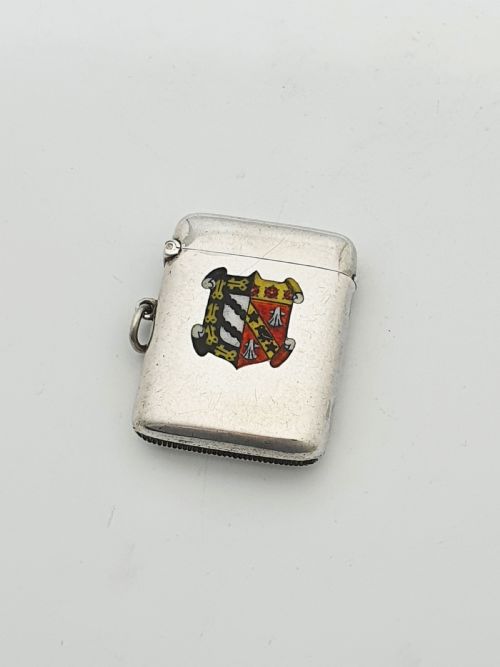
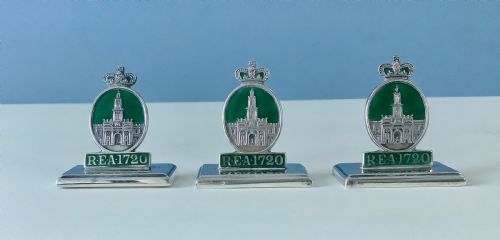
Enamel work frequently highlights crests on Edwardian vesta cases and menu holders, introducing vibrant colour to monochrome metalwork. Copper and steel occasionally support specific items such as seals and watch chains.
Techniques evolved from seventeenth-century hand-engraving and parcel-gilding to industrial electroplating and glass silvering in the twentieth century. Heavy-gauge casting distinguishes larger presentation pieces like salvers and wine coolers.
Antique Heraldic Silver Retail Price Guide 2026
Typical asking prices for heraldic silver among the pieces listed under this phrase on Sellingantiques today, from the lower quarter to the upper quarter. They describe what is for sale here now, not the wider market.
Object forms range from functional dining pieces like wine coolers and salvers to personal accessories including vesta cases and watch chains.
Evaluating armorial pieces
Quality rests heavily on the crispness and depth of the armorial engraving, where sharper lines indicate superior handwork by skilled heraldic engravers. Crisp feathering on mantling and legible mottoes distinguish fine commissions from mass-produced items.
The weight and gauge of the metal dictate the tactile substance of tableware, with heavy-gauge silver plating or solid sterling holding superior structural integrity. Integrated cast components, such as rampant lions or heraldic finials, show greater sculptural definition on higher-tier objects.
The preservation of original enamel work on crests and the intactness of parcel-gilding directly influence desirability. Items retaining clear provenance or identifiable family connections command greater interest among collectors.
Connell·Loetz Witwe
The Antique Heraldic Silver Glossary
- Armorial
- Relating to heraldic arms or a coat of arms. These engraved or cast devices identify specific families and lineages.
- Vesta case
- A small pocket container designed to hold matches. Many examples feature applied enamel crests or engraved monograms.
- Old Sheffield plate
- A composite material made by fusing a sheet of silver to a thicker copper base. It was widely used for large serving trays before electroplating.
- Silver gilt
- Sterling silver that has been coated with a thin layer of gold. This technique enhances the interior of vessels or highlights specific armorial details.
- Salver
- A flat plate or tray used for serving food or presenting items. Heraldic salvers typically display a prominent coat of arms in the centre.
Antique Heraldic Silver: Frequently Asked Questions
What is antique heraldic silver?
Antique heraldic silver comprises domestic and decorative objects marked with official family crests, coats of arms, or armorial bearings. These pieces record the lineage and social standing of past owners through engraved or cast metal.
Items range from small personal accessories like watch chains and vesta cases to large dining table centrepieces such as salvers and wine coolers.
How do I identify a family crest?
Family crests on silver are typically engraved into the metal or rendered in enamel above a shield bearing the coat of arms. Heraldic dictionaries and armorial registers help match specific mottoes and charges to historical families.
Many pieces also feature maker marks and date letters that narrow down the period and region of manufacture.
Can I use these items daily?
Solid sterling silver tableware and sturdy items like card trays or knife rests tolerate careful, regular use. Hand washing with mild soap preserves the delicate hand-engraved armorials and polished surfaces.
Fragile pieces featuring old Sheffield plate, delicate enamel work, or glass components require gentle handling and minimal exposure to moisture.
What periods do these pieces cover?
The inventory spans several centuries, starting from late seventeenth-century scent flasks through to Georgian and Victorian tableware. Early twentieth-century pieces, including Edwardian enameled items and Art Nouveau glass, are also represented.
Styles shift accordingly from Baroque and Regency formality to late Victorian ornamentation and early modern simplicity.