






Antique Hearth Footman
An antique hearth footman is a sturdy metal stand placed by the fire to warm plates or heat water, offering both utility and period character.
Antique Hearth Footman
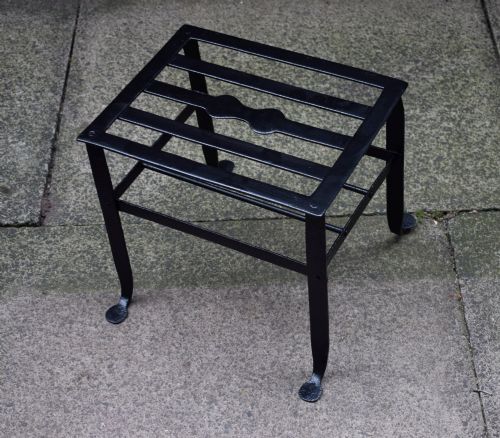
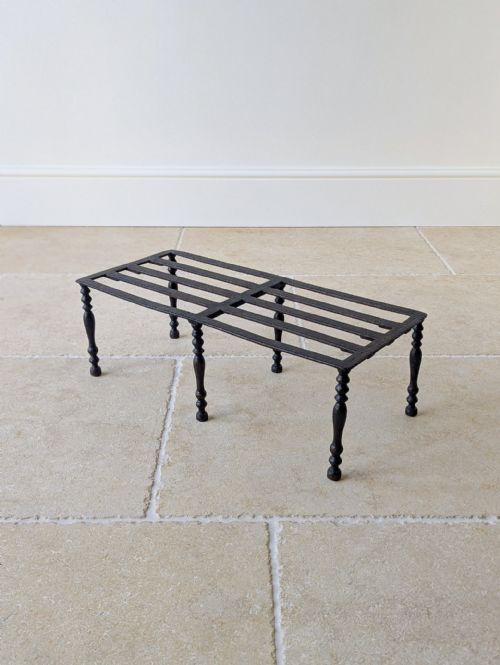
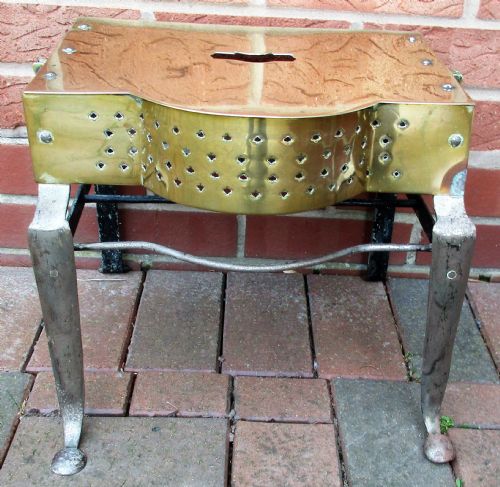
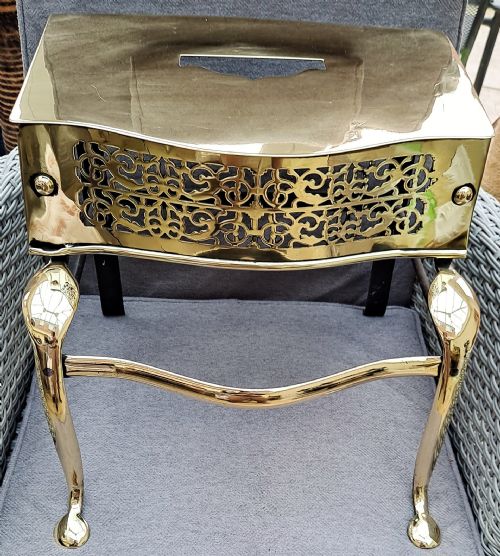
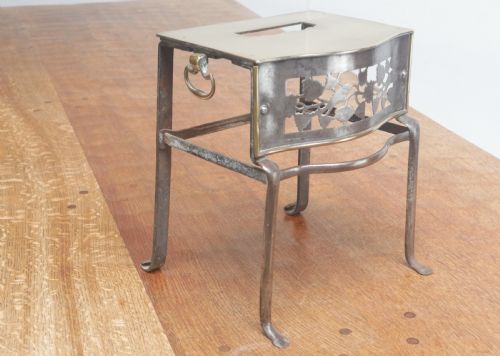
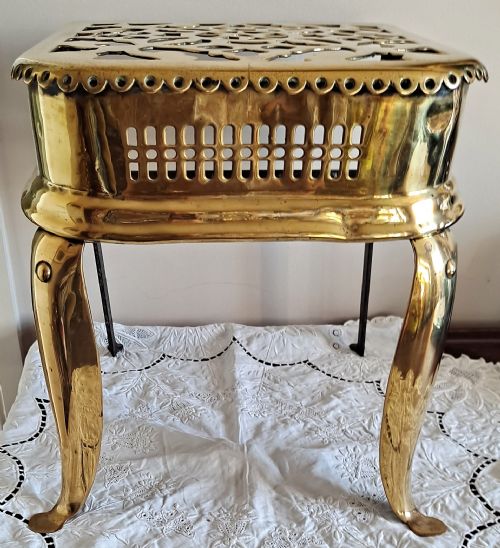
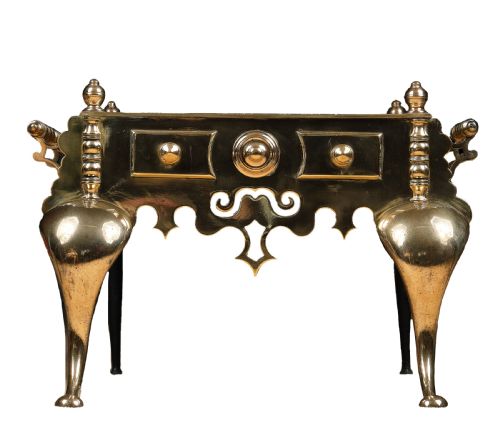
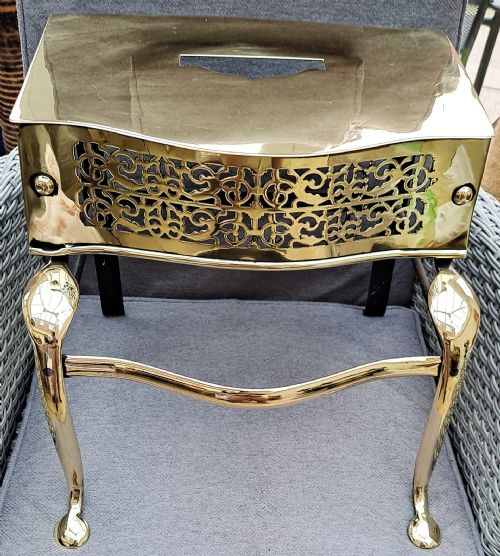
When you search for an antique hearth footman, you encounter low metal stands designed to sit right by an open fire. These objects served practical duties in the kitchen and parlour, keeping meals and kettles warm close to the hearth.
The versions you meet on this page hail primarily from the Georgian, Regency, and Victorian periods. They take the form of plate warmers, trivets, and small stools with flat tops and short legs meant for domestic firesides.
How they were made
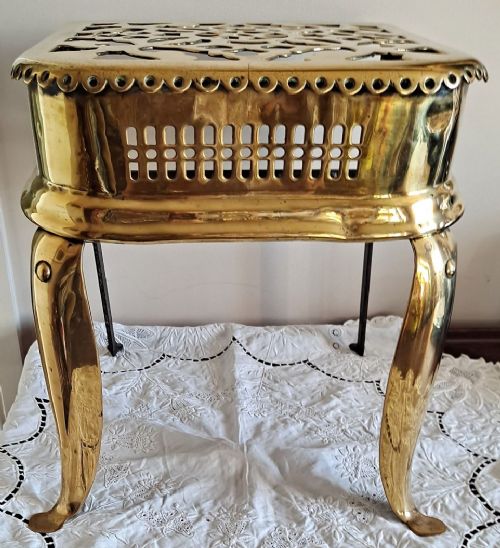
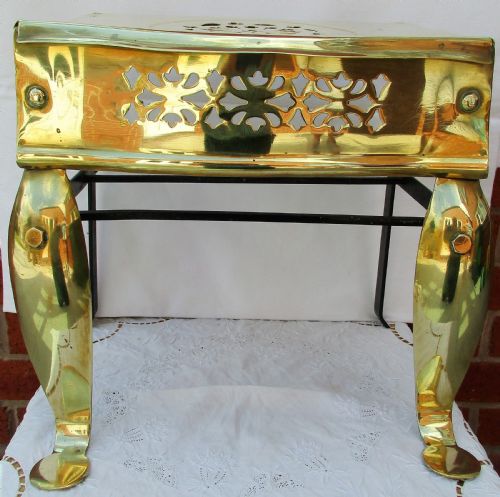
These pieces rely on a combination of brass, steel, and wrought iron. Makers shaped sheet brass for the pierced tops and forged iron or steel for the legs and internal frames.
Construction methods involved riveting and joining sturdy metal components to withstand the intense heat of open coal and wood fires.
Antique Hearth Footman Retail Price Guide 2026
Typical asking prices for hearth footman among the pieces listed under this phrase on Sellingantiques today, from the lower quarter to the upper quarter. They describe what is for sale here now, not the wider market.
Some footmen doubled as miniature steps for warming cold toes before the parlour fire.
What varies in quality
Quality rests in the weight of the metals and the crispness of any pierced or engraved decoration on the brass top. Heavier brass plates and solid iron framing separate robust examples from lighter, purely decorative later items.
The sophistication of the leg design, such as cabriole supports or shaped aprons, distinguishes standard utility pieces from more refined country-house examples.
The Antique Hearth Footman Glossary
- Trivet
- A small three-legged or four-legged metal stand placed near a hearth to support cooking vessels. It shares many practical duties with the footman.
- Inglenook
- A recess or alcove for a hearth, where a footman traditionally sat to keep food warm. This large fireplace setting demanded sturdy fireside accessories.
- Cabriole leg
- A furniture leg that curves out and then in, resembling an animal's leg in motion. Found on select footman stools in this collection.
- Wrought iron
- Iron that is heated and hammered into shape by hand, known for its fibrous texture and strength. It forms the structure of early country-house footmen.
Antique Hearth Footman: Frequently Asked Questions
What is an antique hearth footman?
An antique hearth footman is a small metal stand used beside a fireplace. It served as a plate warmer or kettle stand during the eighteenth and nineteenth centuries.
These pieces combine functional iron frames with decorative brass tops, designed to endure the daily heat of domestic fires.
How were footmen used by the fire?
Footmen stood right in front of the hearth to keep food warm before it was served to the dining table. They also held kettles and small pots for boiling water.
The flat top provided a stable surface for heavy ceramic plates, while the open legs allowed heat from the coals to circulate underneath.
How do I date an antique footman?
Dating relies on observing the materials, construction methods, and stylistic details present in the metalwork. Georgian examples often feature wrought iron and hand-pierced brass, while Victorian pieces show different manufacturing techniques.
Comparing the legs and handle shapes to known period furniture helps narrow down the decade of origin.
Can I use an old footman today?
Many people continue to use these metal stands as fireplace decor or plant holders near a hearth. Their solid construction makes them durable enough for modern domestic display.
Placing them in a traditional fireplace setting honours their original purpose as practical fireside accessories.