
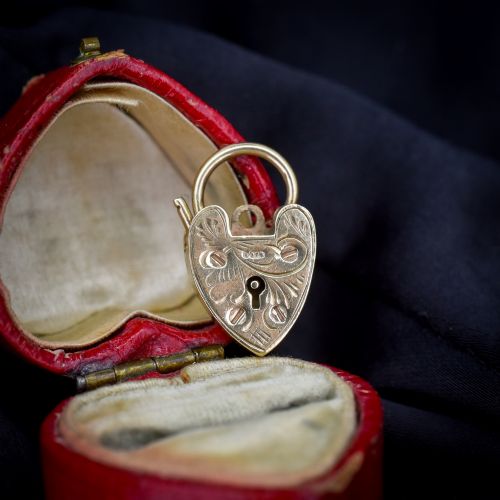
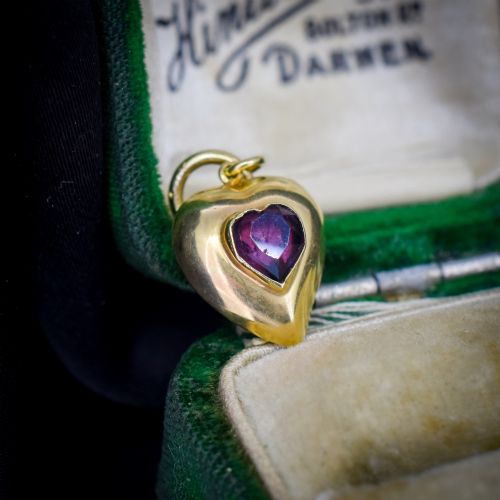
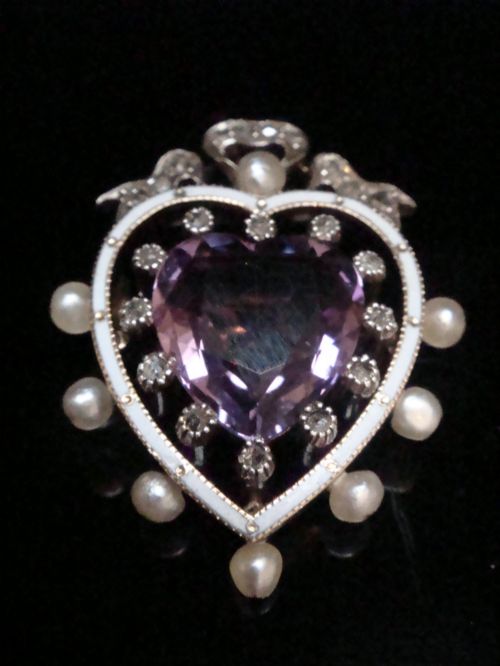
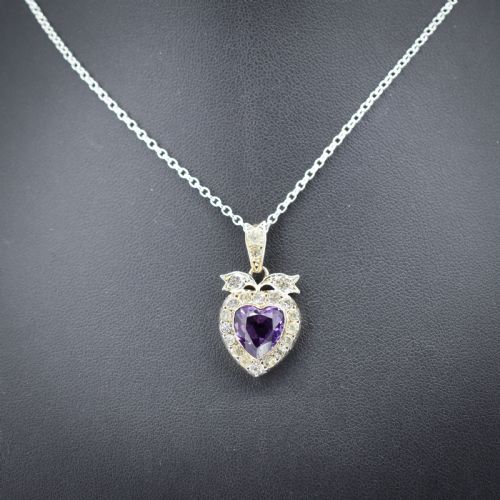


Antique Heart Locket Pendant
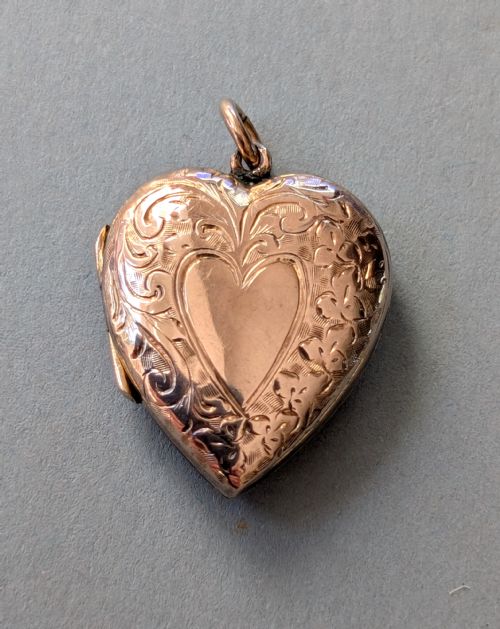
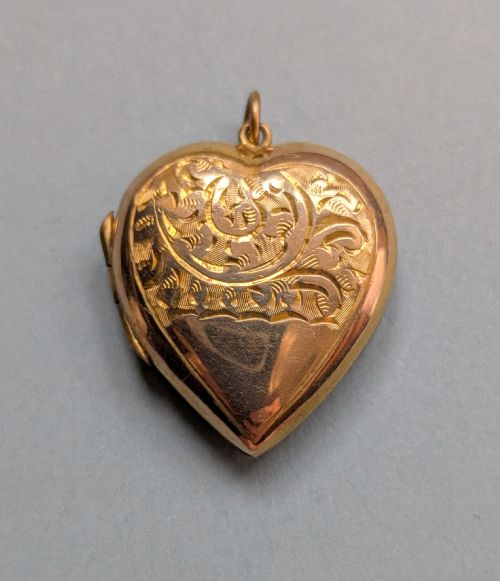
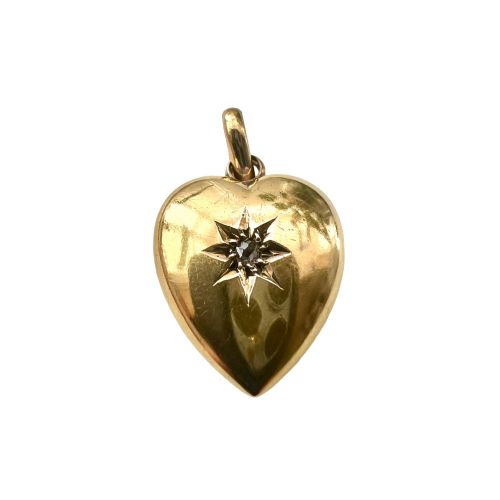
An antique heart locket pendant holds a small portrait or token, worn close as a token of affection across the Victorian and Edwardian decades.
Antique Heart Locket Pendant
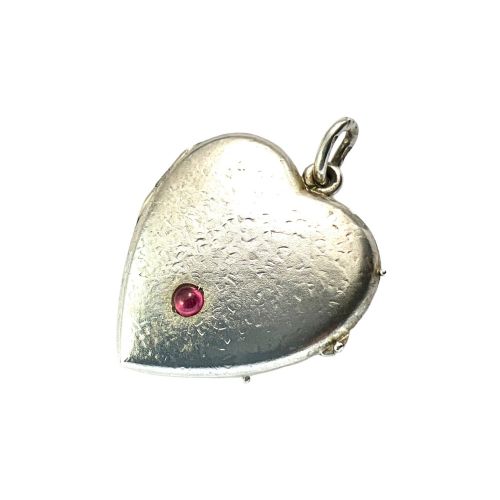
When you search for an antique heart locket pendant, you encounter pieces designed to hold photographs, hair, or miniatures near the wearer. The forms span simple gold shells to elaborate jewelled designs set with diamonds, pearls, rubies, and sapphires.
Victorian and Edwardian examples dominate the selection, alongside pieces from later decades into the mid-twentieth century. These items function equally as charms, lockets, and pendants, often incorporating engraving or ornamental motifs.
Materials range from silver and 9ct yellow or rose gold to higher carat 15ct and 18ct gold. Gemstone accents include turquoise, amethyst, paste, and seed pearls, creating diverse visual expressions of the heart shape.
Materials and Techniques
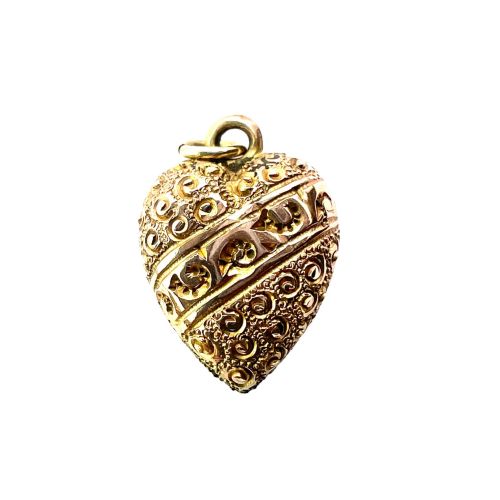
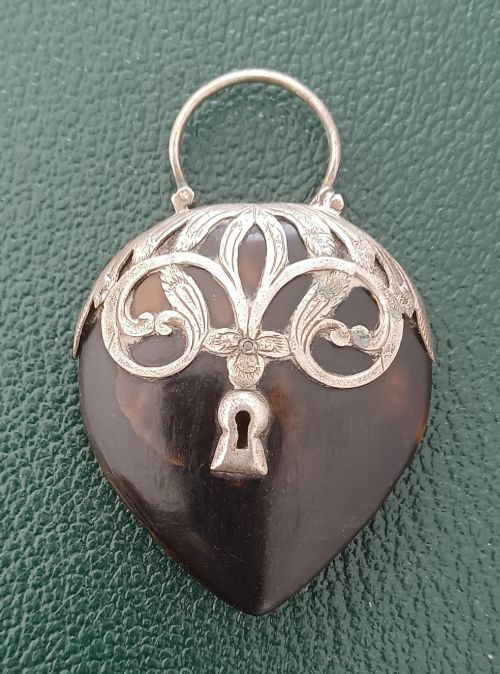
Goldsmiths utilised varied gold purities, from 9ct and 15ct to 18ct and occasional higher carat standards, alongside silver and tortoiseshell. Metals were shaped into puffy forms, hinged lockets, or engraved padlocks.
Surface decoration involved hand engraving, guilloche enamel, and the setting of old cut diamonds, seed pearls, and coloured gemstones such as rubies and sapphires. Hinges, glass compartments, and photo frames were integrated to secure keepsakes inside.
Gemstone embellishments across the inventory include natural pearls, diamonds, rubies, sapphires, amethysts, and turquoise.
Distinctions in Quality
Quality rests upon the weight and purity of the gold or silver, the crispness of hand engraving, and the structural integrity of hinges and glass frames. Higher carat metals and robust construction elevate a piece.
The choice and setting of gemstones dictate refinement, with natural diamonds, seed pearls, and matched rubies or sapphires showing superior craftsmanship compared to simpler paste or plain metal versions.
B & F
The Antique Heart Locket Pendant Glossary
- Guilloche enamel
- A decorative technique where enamel is applied over engine-turned metalwork. It creates translucent patterns that catch the light beneath the coloured glass layer.
- Puffy heart
- A hollow, three-dimensional heart pendant formed from two convex metal halves joined together. This style allows volume without excessive weight.
- Seed pearl
- A very small, natural or cultured pearl used in clusters or borders. They are frequently drilled and threaded or pegged onto jewellery.
- Padlock charm
- A small padlock shaped like a heart, functioning as a clasp or dangling ornament on chains and bracelets.
Antique Heart Locket Pendant: Frequently Asked Questions
How do I open an antique heart locket?
Most lockets feature a small side hinge or a fingernail notch near the edge. Gently easing the covers apart reveals the interior bezel and glass frame.
Avoid forcing stuck covers, as antique hinges and gold shells bend easily under improper pressure.
Can I put a photograph inside?
Many lockets retain their original inner gold rims and clear covers designed to hold miniature portraits. Photographs must be trimmed carefully to fit the interior heart boundary.
Older pieces often housed hair memorials, which can be left in place or replaced with modern paper photographs.
How do I date a Victorian piece?
Dating relies on hallmarks, gold purity standards, and stylistic traits such as engraved motifs or gemstone selections. Victorian pieces often utilise 15ct gold or specific high-carat alloys alongside seed pearls and turquoise.
Comparative study of fastener styles and hinge construction further helps narrow the decade of production.
How do I care for gold and enamel?
Clean pieces gently with a soft cloth to remove surface dust without abrasive chemicals. Enamel and seed pearls are sensitive to harsh dips, ultrasonic cleaners, and moisture.
Store pendants individually in soft pouches to prevent scratches between the metal surfaces and gemstones.