




Antique Heart Dish
An antique heart dish offers a charming way to hold small keepsakes, combining sentimental shape with functional design.
Antique Heart Dish
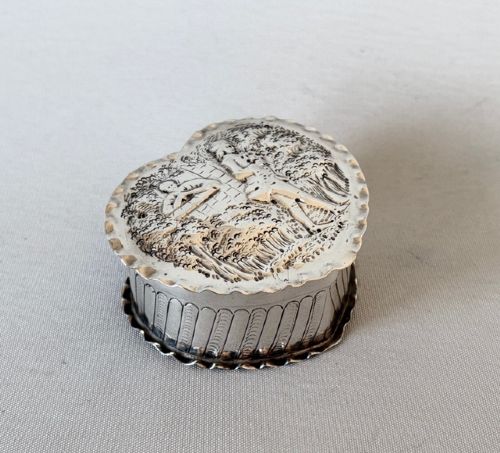
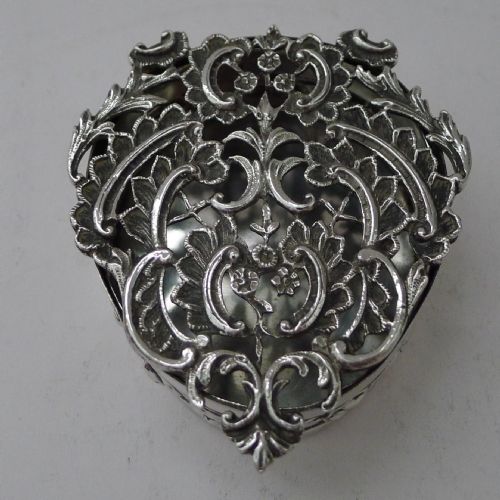
When you search for an antique heart dish, you encounter a selection of small vessels designed for trinkets, rings, or pot pourri. These items span periods from the eighteenth century to the early twentieth century, reflecting varied social uses for personal storage on dressing tables and desks.
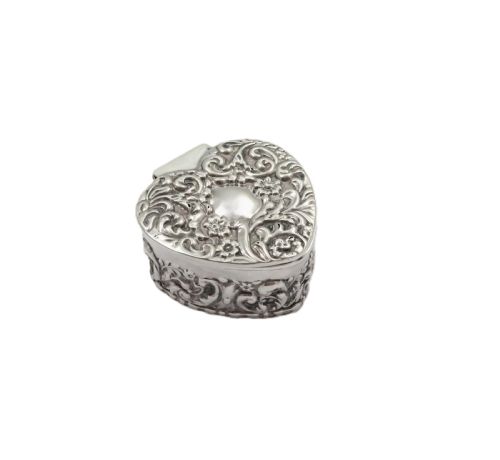
The most common versions met on this page are silver and silver-topped trinket boxes from the Victorian and Edwardian eras. Alongside these metal pieces, ceramic wares and glass dishes appear, including German glazed ceramic and dark blue Wedgwood items.
Materials and construction
Ceramic examples utilise tin-glazed earthenware and stoneware, exemplified by pieces from continental potteries and English manufacturers. These bodies required careful firing and glazing techniques appropriate to their respective centuries.
Antique Heart Dish Retail Price Guide 2026
Typical asking prices for heart dish among the pieces listed under this phrase on Sellingantiques today, from the lower quarter to the upper quarter. They describe what is for sale here now, not the wider market.
Listings span periods from the eighteenth century to the Edwardian era, predominantly featuring sterling silver, cut glass, and ceramic wares.
Assessing quality and craftsmanship
The distinction between standard items and finer examples rests upon the crispness of the repoussé work on silver lids and the clarity of the cut glass. Finer pieces display sharper detailing in floral or scroll motifs pressed into the metal.
Material choice and origin also influence the character of each piece, from heavy sterling silver assemblies to delicate tin-glazed earthenware requiring precise ceramic control.
William Comyns
The Antique Heart Dish Glossary
- Sterling silver
- A silver alloy containing 92.5 percent pure silver by mass, standard for British domestic metalwork. This material provides the primary substance for the majority of lidded boxes listed here.
- Repoussé
- A metalworking technique where a craftsman hammers the design from the reverse side to create a raised pattern on the front. This method decorates many of the silver trinket box lids.
- Hallmark
- An official stamp applied by an assay office to indicate the purity of metal, the maker, and the year of testing. These marks allow precise dating of British silver items.
- Pot pourri
- A mixture of dried petals and spices used to fragrance a room, housed in perforated vessels. Several boxes on this page served this specific aromatic purpose.
Antique Heart Dish: Frequently Asked Questions
What were antique heart dishes used for?
These vessels served primarily as dressing table accessories for holding rings, pins, and small trinkets. Some specific designs functioned as containers for pot pourri to gently scent a room.
Their decorative yet practical nature made them popular gifts throughout the Victorian and Edwardian periods.
How do I date an antique silver heart box?
You date British silver by examining the assay office hallmarks stamped into the metal. These tiny marks indicate the town of testing, the silver standard, and a specific date letter.
Stylistic cues such as repoussé floral patterns also help narrow down the decade of manufacture.
Are all heart dishes made of silver?
While silver and silver-plated items are common, the category includes ceramic and glass examples. Materials range from dark blue Wedgwood stoneware to German tin-glazed earthenware.
Glass vessels frequently feature sterling silver lids mounted onto cut glass bases.
How should I clean my silver trinket box?
Clean sterling silver gently with a soft microfiber cloth to remove tarnish without scratching the delicate relief work. Avoid harsh abrasive dips that can strip away the aged patina accumulated over decades.
Keep ceramic and glass elements separate from liquid cleaning agents used on the metal portions.