




Antique Hanging Bowl
An antique hanging bowl suspends light from above, bringing sculptural form and steady illumination directly to a room.
Antique Hanging Bowl
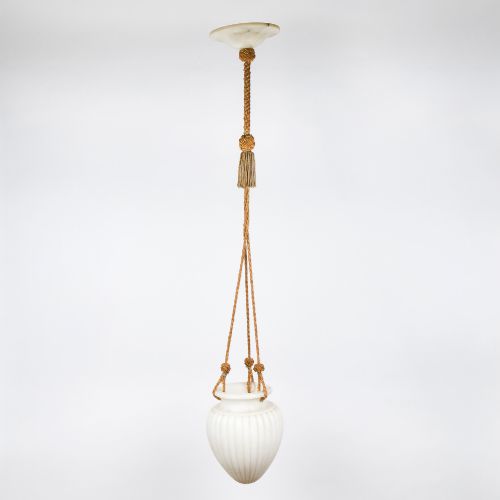
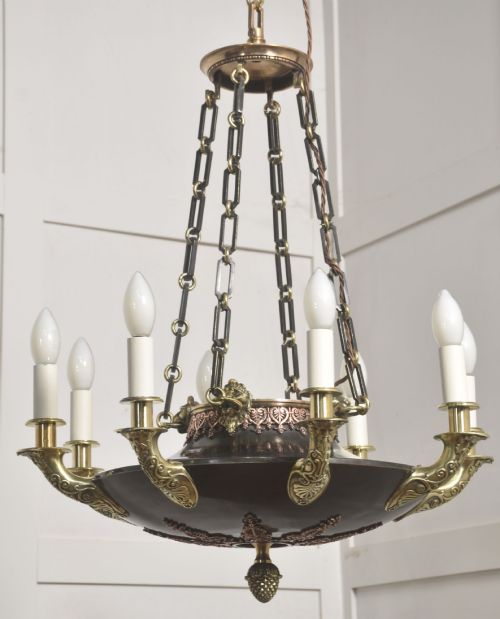
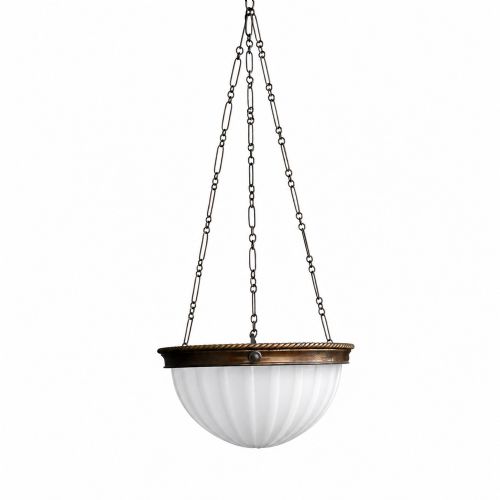
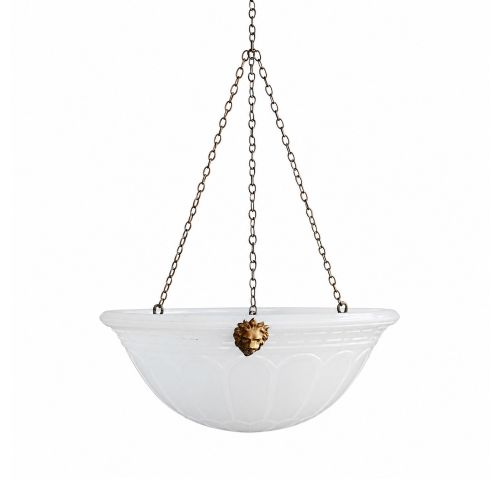
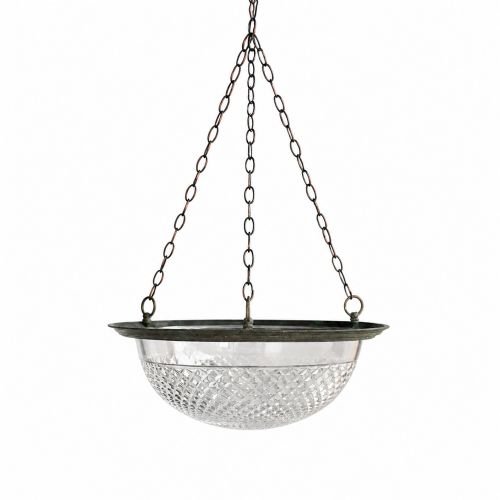
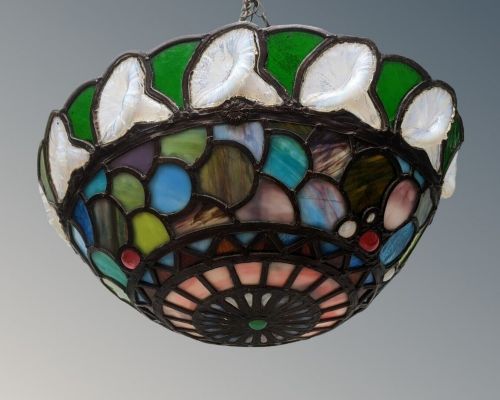
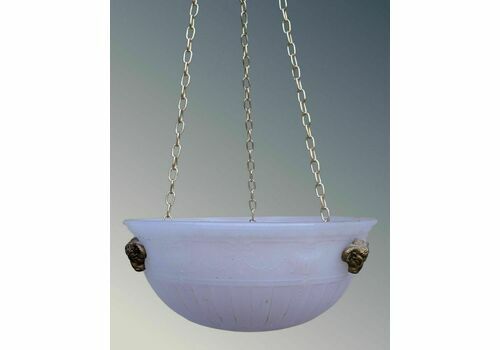
An antique hanging bowl takes many forms across domestic lighting and display, spanning pendant lights, ceiling fixtures, and centrepieces suspended from above. The selection ranges from carved alabaster dishes to multi-light brass chandeliers and deep glass plafonniers.
Makers shaped these fixtures through distinct aesthetic movements, producing Edwardian cut glass, Art Nouveau organic curves, and clean Art Deco geometries. Materials extend from polished brass and bronze to sterling silver and mirrored glass.
Dating ranges from the late nineteenth century through the Edwardian era and into the 1920s and 1930s. Buyers frequently encounter white alabaster dish lights and heavy glass pendant bowls from the early twentieth century.
What varies in quality
Subtlety of material selection separates ordinary vessels from superior pieces, particularly in the depth of cut glass and the even translucency of carved alabaster. Heavier metal castings in bronze and brass indicate robust construction.
Coherence of style defines the better examples, where suspension hardware, chains, and metal collars complement the bowl rather than serving as generic replacements. Integration of painted details and silver plating reflects greater workshop care.
Materials recorded across the inventory include alabaster, cut glass, bronze, copper, brass, and silver plating.
The Antique Hanging Bowl Glossary
- Plafonnier
- A bowl-shaped ceiling light fixture placed flat or suspended close to the ceiling, usually made of moulded or frosted glass. These direct light downwards into the room.
- Alabaster
- A fine-grained dense stone used for carved bowls that allows light to pass through its surface softly. It was favoured for interior lighting during the early twentieth century.
- Epergne
- An ornamental centrepiece bowl fitted with multiple smaller dishes or arms for holding fruit or flowers. They often incorporate silver and glass elements.
- Moonstone glass
- An opalescent white glass type with a cloudy texture that softens and diffuses glare from the internal bulb. It appears frequently in early twentieth-century pendants.
- Empire Revival
- A decorative style drawing on classical antiquity and Napoleonic motifs, featuring cast brass and bronze mounts. It values symmetry and formal dignity.
Antique Hanging Bowl: Frequently Asked Questions
How do I hang a heavy alabaster bowl?
Suspension requires secure ceiling joists and appropriate fixings to support the considerable combined weight of stone and metal hardware.
Professional electrical installation ensures the chains and suspension rods bear the load safely without straining the wiring.
What rooms suit a hanging bowl?
Pendant bowls work well in hallways, dining rooms, and bedrooms where soft downward illumination creates a welcoming atmosphere.
Their decorative undersides offer visual interest when viewed from below in rooms with high ceilings.
How do I clean antique glass shades?
Gentle washing in warm soapy water removes dust and grease accumulated over decades without harming the glass surface.
Harsh abrasives should be avoided to protect delicate frosted finishes, painted details, and silver-plated metal collars.
How do I date an Edwardian pendant light?
Edwardian pieces often feature crisp cut glass, silver plating, and lighter brass or bronze mounts characteristic of the early twentieth century.
Comparing the suspension hardware and glass thickness with known period examples helps confirm the decade of manufacture.