
Antique Halo Cluster Ring
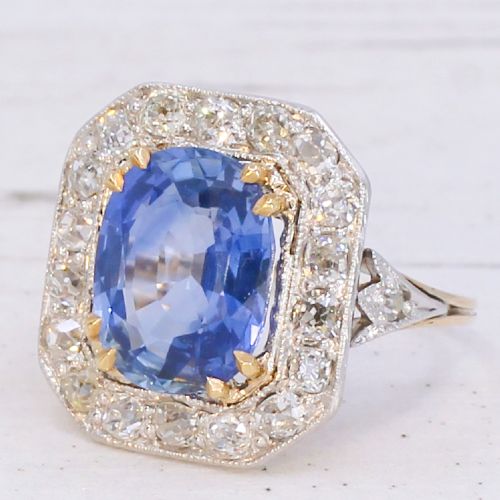
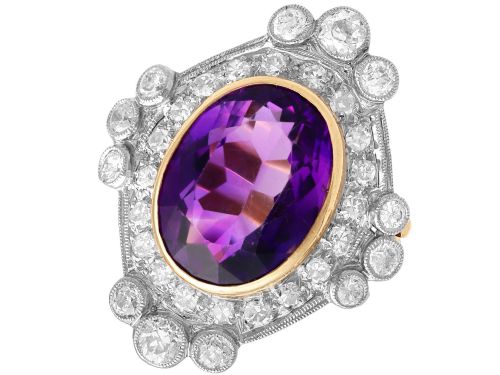
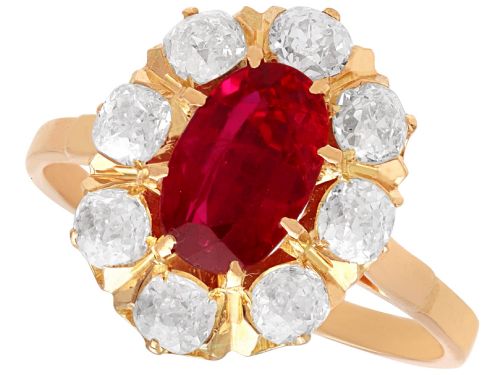
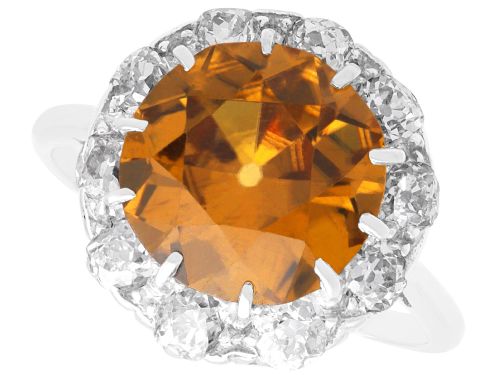
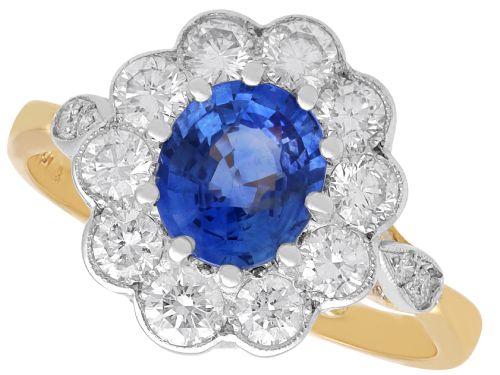
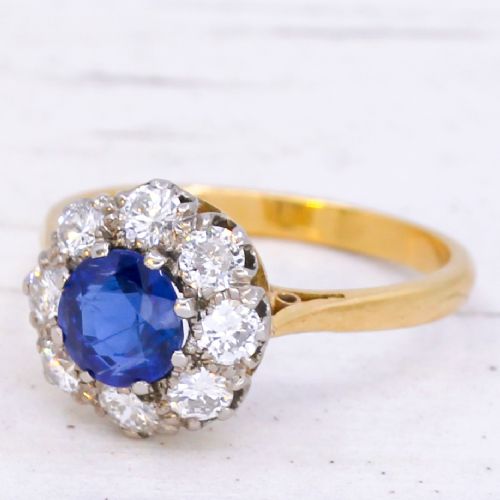
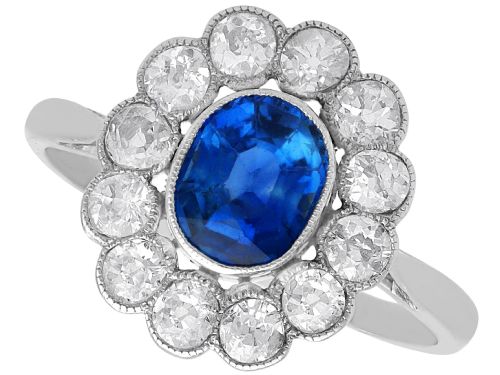
An antique halo cluster ring brings together a central gemstone encircled by smaller stones, offering a striking display of colour and light.
Antique Halo Cluster Ring
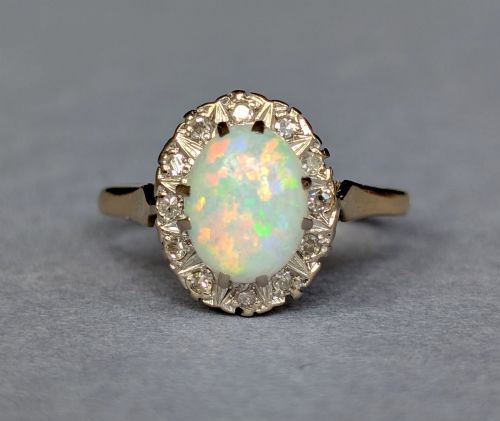
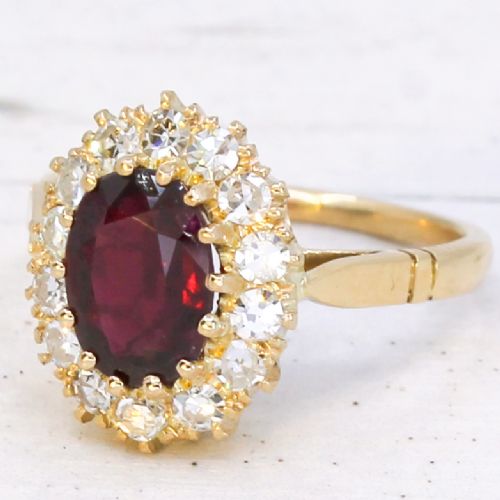
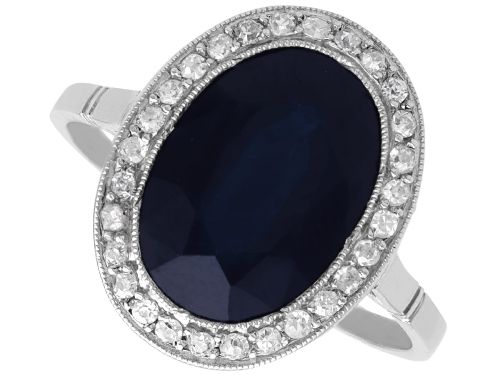
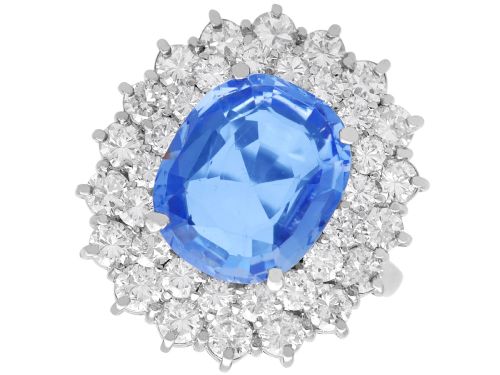
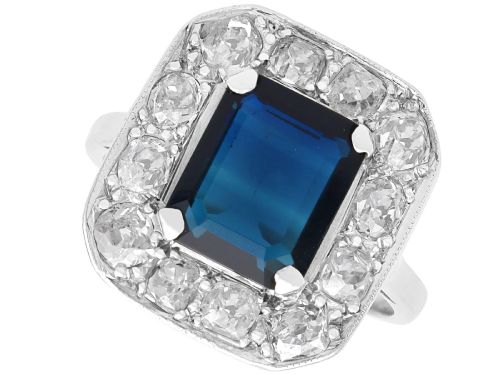
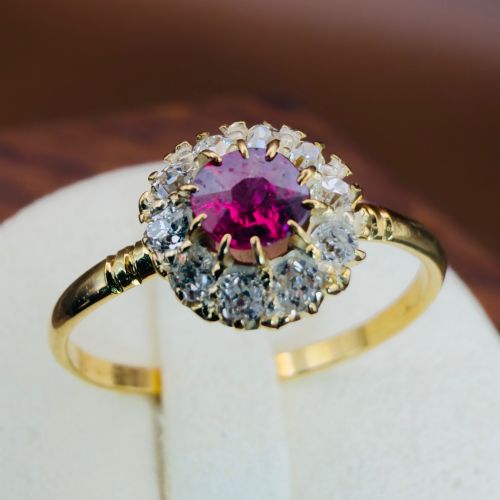
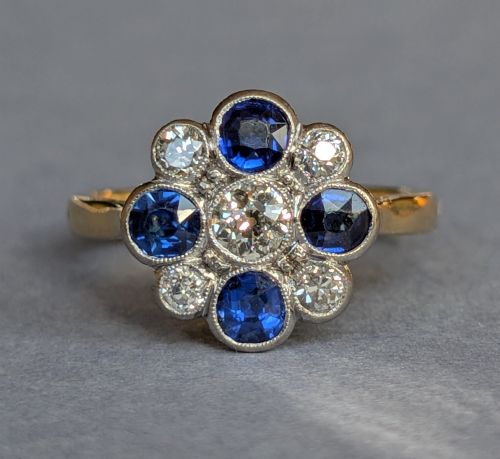
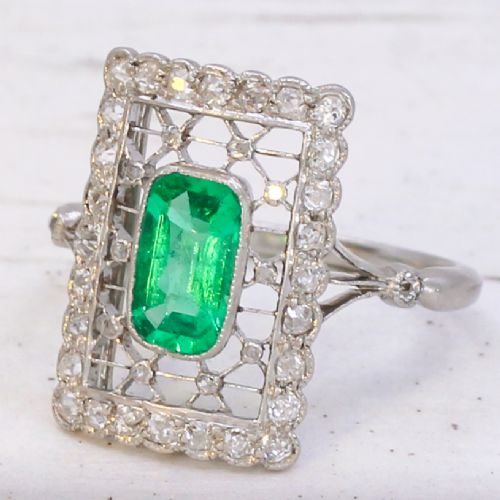
An antique halo cluster ring centres on a prominent gemstone, such as a diamond, sapphire, ruby, emerald, citrine, amethyst, opal or tourmaline, surrounded by a border of smaller accent stones. These jewels appear across various eras, including the Georgian, Victorian, Edwardian, Art Deco and mid-century periods.
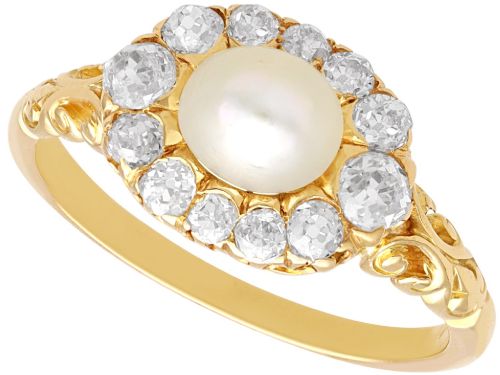
The most common examples encountered on this page combine central sapphires, rubies, emeralds or diamonds with surrounding old cut diamonds or pearls. Forms range from traditional round and daisy designs to floral, boat, double cluster and infinity shapes.
Originating from periods spanning the early nineteenth century through to the mid-twentieth century, these rings reflect the shifting aesthetic preferences of their respective decades, utilising yellow gold, white gold, platinum and silver.
Materials and construction methods
Goldsmiths constructed these pieces primarily in 18ct yellow gold, 18ct white gold, platinum and occasionally silver, sometimes pairing metals to highlight the stones.
Stones such as old mined cut diamonds, old cut diamonds, and various coloured gems were secured by hand, utilising claw settings and close-backed or open-backed mountings appropriate to the period.
Distinctions in quality and execution
Quality rests upon the natural origin and character of the central gemstone, particularly unheated sapphires and rubies or certified emeralds, alongside the matching and cut of the surrounding diamond halo.
Fine construction is evident in the delicacy of the metalwork, the symmetry of the cluster arrangement, and the preservation of original claw work and shank proportions.
The Antique Halo Cluster Ring Glossary
- Halo cluster
- An arrangement where a central gemstone is completely surrounded by a border of smaller accent stones. This design maximises the visual impact and perceived size of the central gem.
- Old cut diamond
- A hand-faceted diamond cut popular before the advent of modern brilliant cutting techniques. These stones typically feature smaller tables, higher crowns and distinctive open culets.
- Double cluster
- A ring design incorporating two distinct concentric rings of stones around a centrepiece, or two adjacent clusters joined together. This style creates a larger finger coverage.
- Cabochon
- A gemstone shaped and polished with a smooth, rounded convex surface rather than faceted. This cut is frequently utilised for opals, sapphires and rubies to display their internal lustre.
- Boat ring
- A ring featuring a horizontally elongated navette or boat-shaped cluster head. This form sits flat along the finger and was favoured during Georgian and later eras.
Antique Halo Cluster Ring: Frequently Asked Questions
How do I care for an antique cluster ring?
Clean these delicate pieces gently with warm soapy water and a soft brush, avoiding harsh chemical cleaners or ultrasonic machines. Professional inspection of the settings helps ensure the small halo stones remain secure.
Store the ring individually in a fabric-lined box to prevent the softer gems, such as pearls or opals, from scratching against harder diamonds.
Can I wear my cluster ring every day?
Daily wear is certainly possible with sturdier gemstone combinations like diamond and sapphire set in 18ct gold or platinum. However, older rings require mindfulness during physical activities to protect fragile settings and softer stones.
Pieces containing pearls, opals or mourning glass demand greater care and are best reserved for lighter, occasional wear.
How do I date an antique halo ring?
Dating relies upon stylistic clues, such as the geometric lines of Art Deco platinum work or the delicate garlands typical of Edwardian design. Hallmarks stamped within the band often provide definitive assay office marks and date letters.
Gemstone cutting styles also offer guidance, as hand-cut old mined diamonds generally point towards Victorian or earlier origins.