



Antique Hallway Unit
An antique hallway unit gathers coats, boots and letters in the entrance, turning a practical necessity into a proper welcome.
Antique Hallway Unit
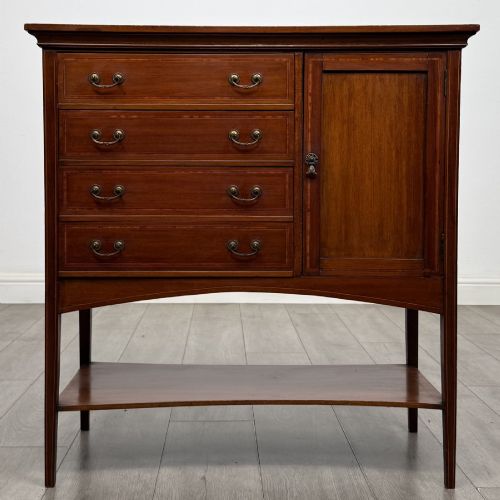
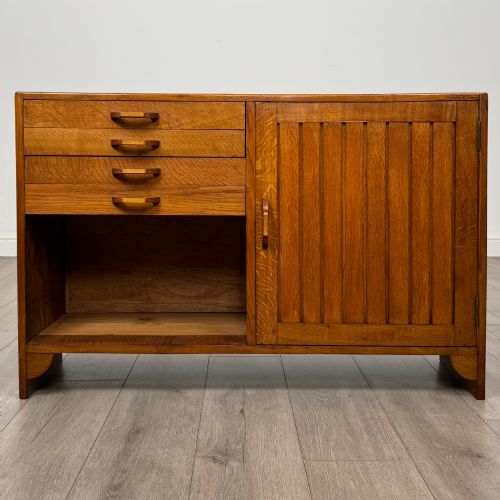
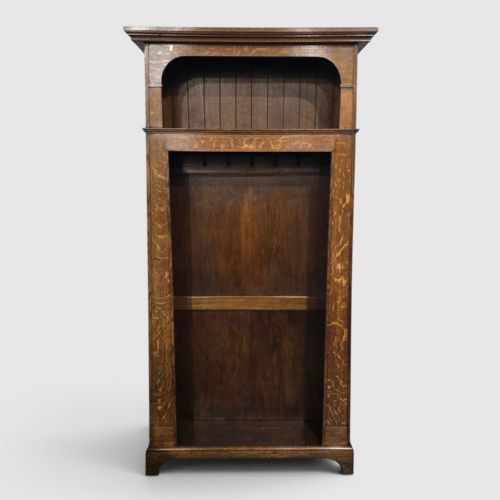
When you search for an antique hallway unit, you find pieces designed to organise the entrance of a house, spanning Victorian, Edwardian and early twentieth-century periods. These items range from wall mirrors and shoe racks to standing cupboards, washstands and narrow chests.
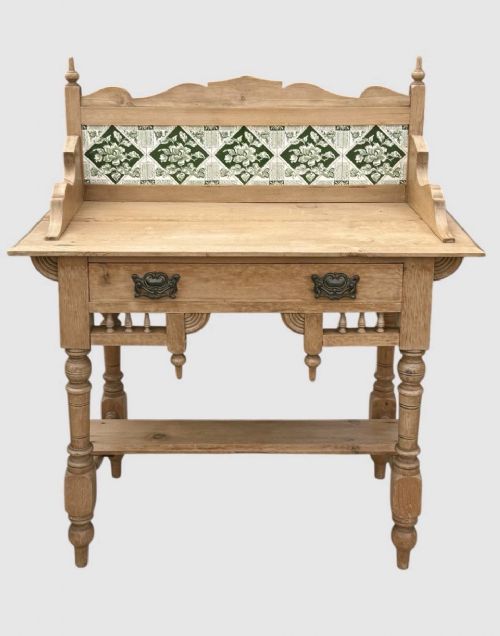
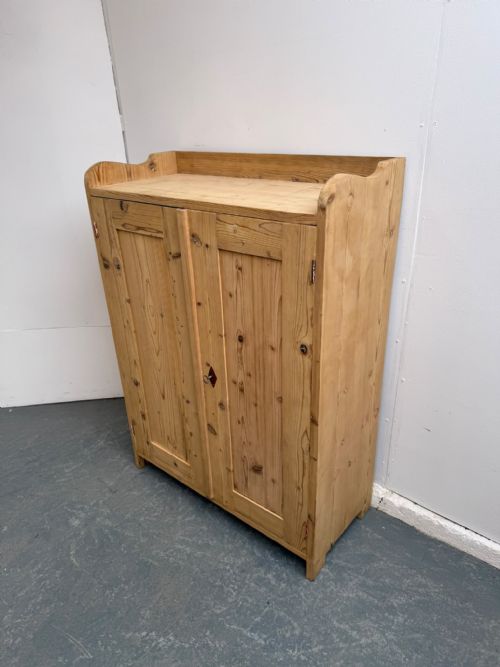
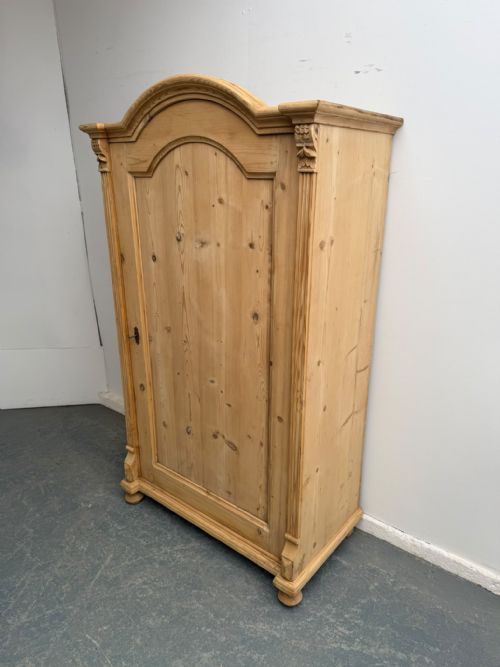
The most common forms on this page include pine storage cupboards, oak hanging robes and washstands in mahogany or pine. Makers built these using robust timbers suited to heavy daily use in narrow entrance spaces.
Styles stretch from rustic country pine and Arts and Crafts oak to formal Victorian mahogany and Georgian style walnut. Pieces often incorporate practical additions such as mirrors, shelves, drawers and brass fittings.
How these pieces were constructed
Carpenters relied on solid hardwoods and softwoods such as oak, pine, mahogany and walnut to build these functional items. Surfaces often feature polished finishes, polished oak or wax and paint treatments.
Fittings incorporate brass, iron, glass and ceramic elements, adding utility and decorative contrast to the timber frames. Marble tops appear on washstands intended for basin use.
Antique Hallway Unit Retail Price Guide 2026
Typical asking prices for hallway unit among the pieces listed under this phrase on Sellingantiques today, from the lower quarter to the upper quarter. They describe what is for sale here now, not the wider market.
Storage options on this page include standing cupboards, shoe racks, washstands and narrow drawer chests.
Judging quality in entrance furniture
Quality rests in the selection of timber and the integrity of the joinery across cupboards, chests and washstands. Superior examples display thoughtful proportions, such as slim profiles for tight spaces and well-fitted drawers.
The integration of secondary materials like brass hardware, bevelled glass mirrors and marble slabs distinguishes standard utilitarian items from finer decorative examples.
The Antique Hallway Unit Glossary
- Washstand
- A piece of furniture designed to hold a basin and jug, frequently topped with marble or fitted with a tiled back in Victorian and Edwardian homes.
- Etagere
- An open tiered piece of furniture used for displaying small objects or holding accessories in a hallway or parlour.
- Arts and Crafts
- A design movement prioritising traditional craftsmanship and simple forms, often seen in plain oak hallway furniture.
- Whatnot
- A set of open shelves standing on legs, sometimes incorporating a mirror and drawer for small entrance items.
Antique Hallway Unit: Frequently Asked Questions
What counts as an antique hallway unit?
An antique hallway unit encompasses various Victorian, Edwardian and early twentieth-century furniture pieces used in entrance spaces. These include hanging robes, storage cupboards, shoe racks, mirrors and washstands.
Such pieces date from the nineteenth and early twentieth centuries, constructed primarily from oak, pine, mahogany and walnut to handle daily coats, boots and accessories.
How were hallway washstands used originally?
Washstands provided a surface for washing hands and refreshing oneself upon entering the home from outdoors, before indoor plumbing became universal in hallways.
They typically featured marble tops and splashbacks to protect the surrounding wall from water splashes during use.
Where do I put a narrow hall cupboard?
Narrow hall cupboards fit well in compact entranceways, vestibules and corridors where floor space is limited. Their shallow depth allows doors to open without blocking the main passage.
They serve effectively for storing shoes, hats and everyday garments out of sight.
How do I date an Edwardian hall piece?
Edwardian hallway pieces generally date from the period between nineteen hundred and nineteen ten, showing lighter timbers and simpler lines than heavy high Victorian designs. They often combine utility with decorative elements like mirrors and ceramic fittings.
Construction methods and timber choices help confirm the era when compared with nineteenth-century examples.