

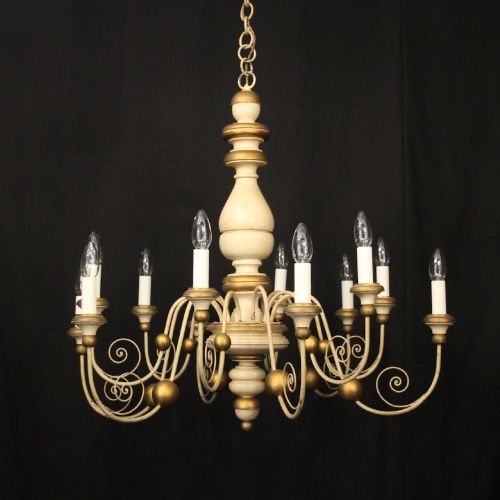
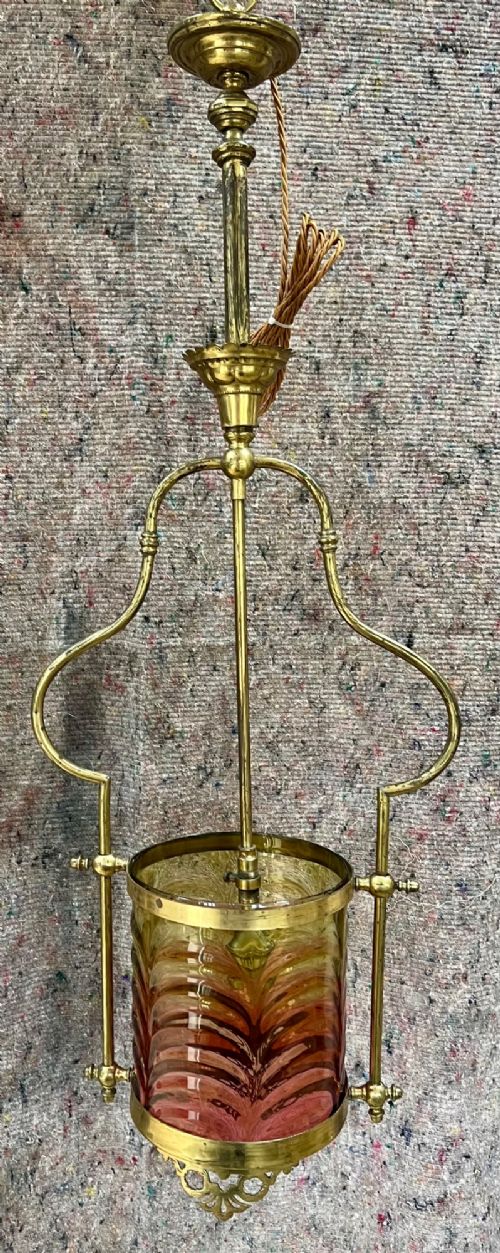
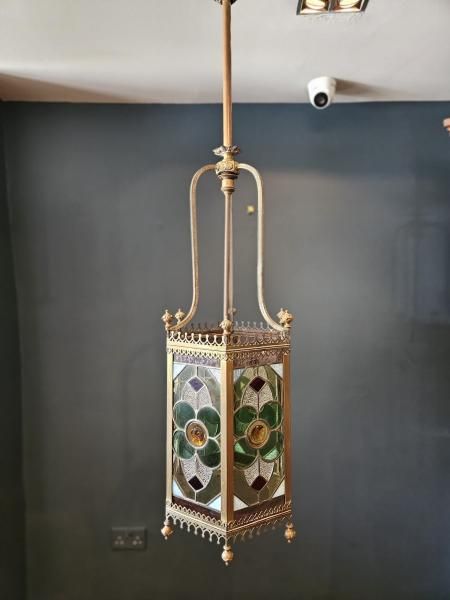
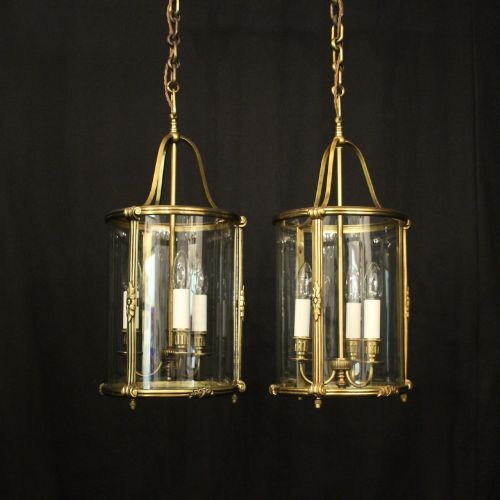
Antique Hall Fixture
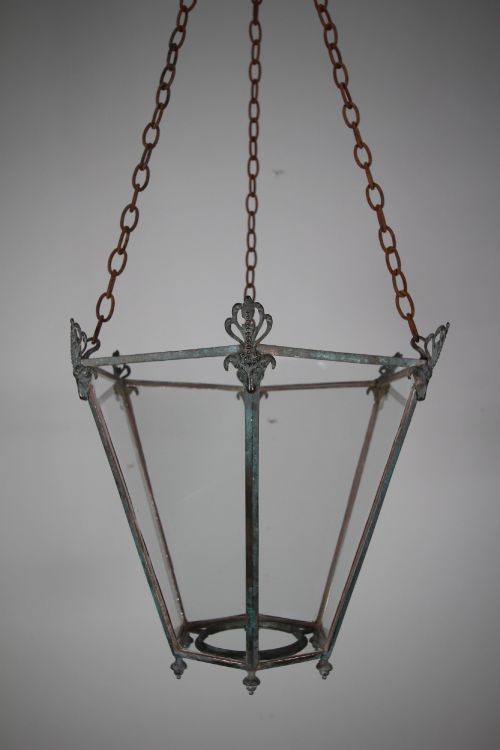
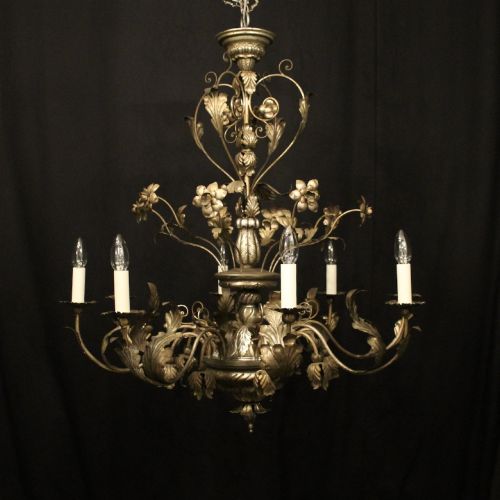
An antique hall fixture lights the entranceway with brass, bronze, and glass fashioned in Victorian, Edwardian, and French styles.
Antique Hall Fixture
An antique hall fixture is a ceiling-hung light source designed specifically for entranceways, corridors, and vestibules. These pieces combine heavy structural frames with glass panels to protect the interior flame or bulb from draughts.
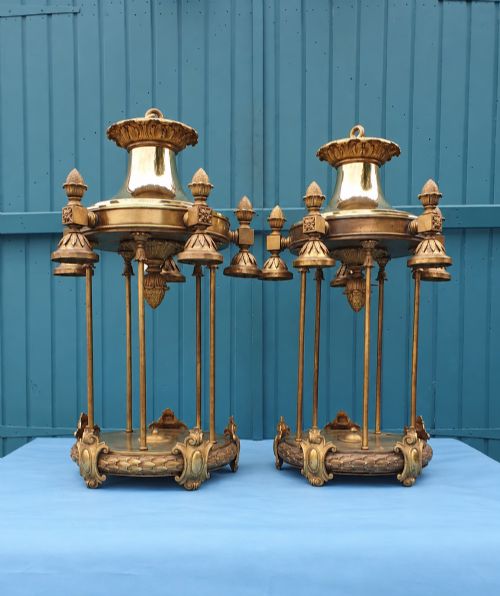
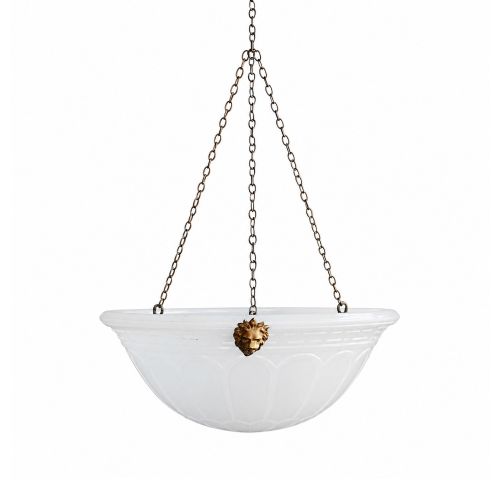
The pieces on this page span from the nineteenth century through the 1930s, encompassing Victorian, Edwardian, and French periods. Forms range from simple glass pendants to large multi-light lanterns and chandeliers.
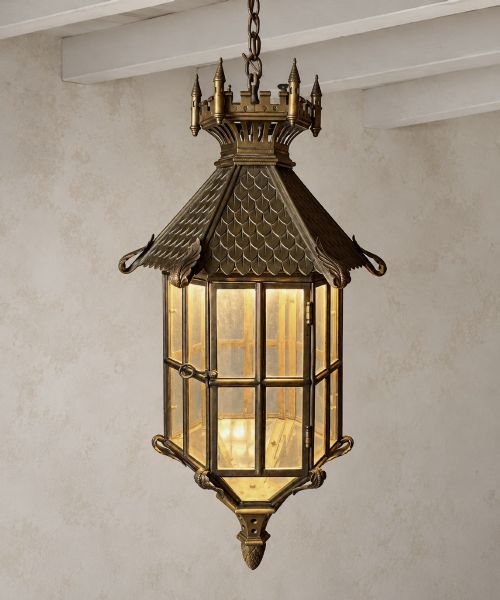
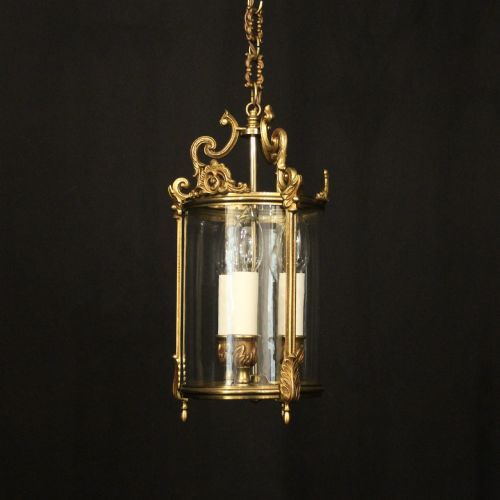
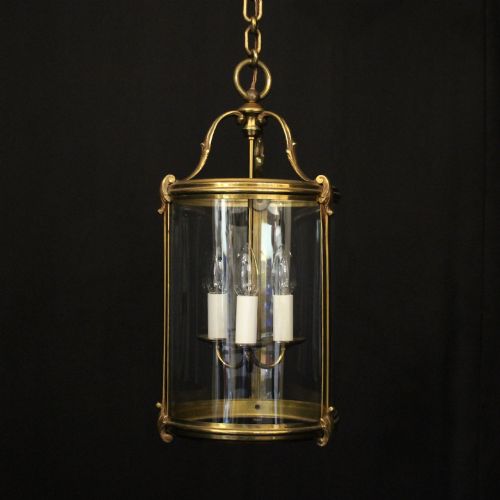
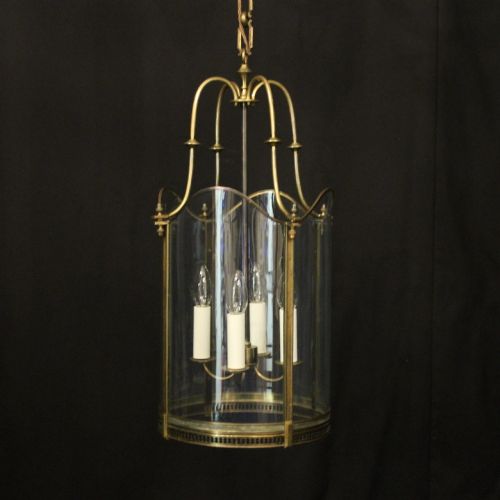
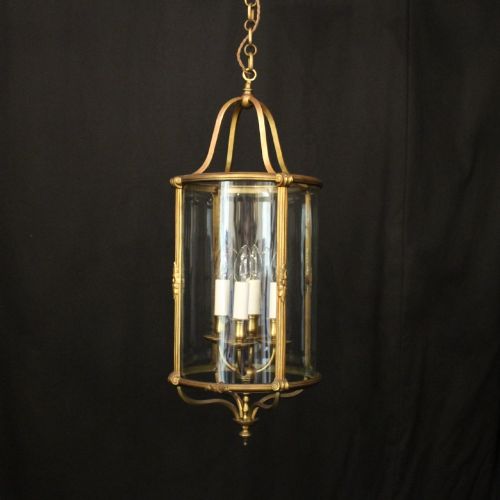
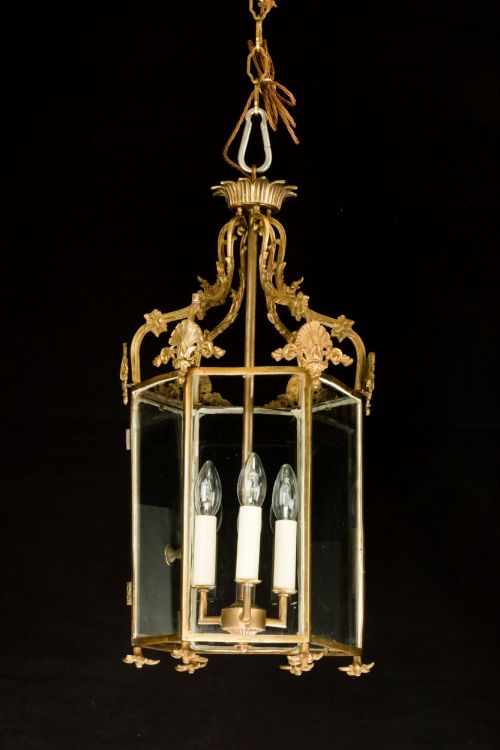
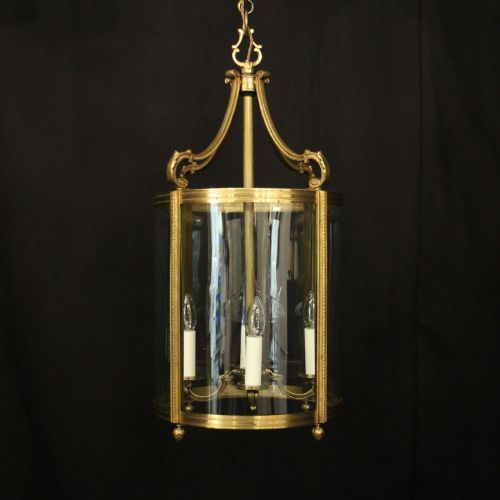
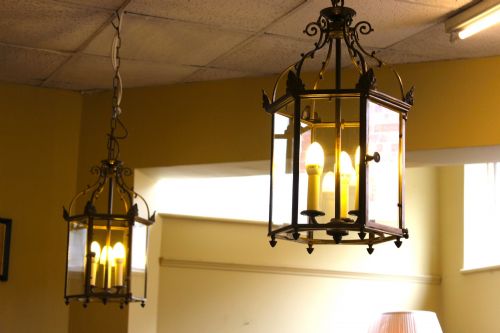
French lanterns dominate the selection, often rendered in gilded bronze or brass with convex glass panels. English examples also appear frequently, spanning from utilitarian brass frames to Gothic Revival designs.
How these fixtures were constructed
Maker workshops built structural frames using cast metals such as brass, bronze, and wrought iron, frequently applying gilt or silver layers to the metal surface. Steel and copper also appear in specific utilitarian and decorative iterations.
Glazing techniques define the visual character of the lanterns, utilising clear glass, leaded stained glass, opaline, moonstone, and coloured glass. Panels fit snugly into metal armature channels, secured by internal glazing bars or solder.
Antique Hall Fixture Retail Price Guide 2026
Typical asking prices for hall fixture among the pieces listed under this phrase on Sellingantiques today, from the lower quarter to the upper quarter. They describe what is for sale here now, not the wider market.
What separates quality tiers
Quality rests upon the weight of the metal casting and the complexity of the chased or moulded surface detail. Heavier frames of gilded bronze demonstrate superior craftsmanship compared to thin stamped brass alternatives.
Glass selection dictates upper-tier status, particularly where convex glass or intricate leaded stained glass panels are present. The precision of the joinery between metal frames and curved glass panels marks the work of skilled makers.
Perry And Co·Pugin
The Antique Hall Fixture Glossary
- Convex glass
- Curved glass panels that bulge outward from the lantern frame. This shape disperses light more widely across a hallway.
- Gilded bronze
- Bronze metal treated with a thin layer of gold or gold paint. This finish prevents tarnishing while offering a warm reflective glow.
- Leaded glass
- Glass panes held together by narrow strips of lead called cames. It forms strong geometric or decorative patterns in windows and lanterns.
- Opaline glass
- A pale, translucent white glass that softens interior bulb glare. It gained popularity during the Victorian period for light fixtures.
- Gothic Revival
- An architectural and decorative style drawing on medieval forms. Pieces often feature pointed arches and heavy ironwork reminiscent of churches.
Antique Hall Fixture: Frequently Asked Questions
What is an antique hall fixture?
An antique hall fixture is a hanging light designed for corridors and entrance spaces.
They combine metal frames with glass to safely illuminate transitional areas in homes.
How do I date a brass lantern?
Dating relies on stylistic clues like Victorian ornamentation or Edwardian simplicity.
Material choices and construction methods also help place pieces within specific decades.
Were these lights originally electrified?
Most early examples used candles or gas before later conversion to electricity.
Original configurations often accommodated single or multiple light clusters inside glass panels.
How do French and English styles differ?
French fixtures frequently employ gilded bronze, ornate curves, and convex glass panels.
English variants tend towards straightforward brass frames, geometric leaded glass, and Gothic influences.