


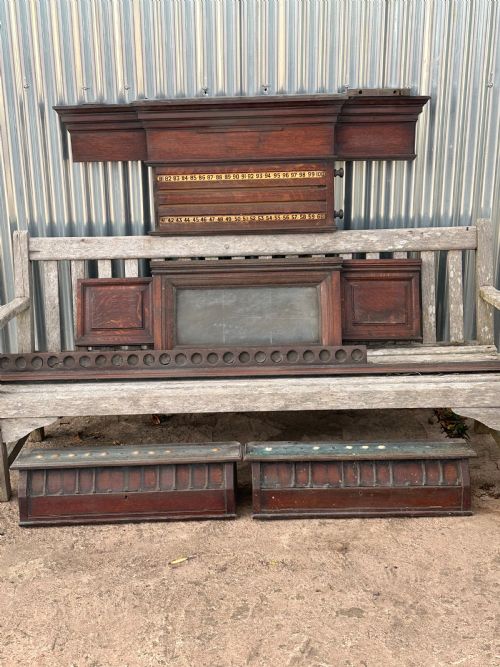


Antique Hall Accessory
These antique hall accessory pieces are practical domestic items from the nineteenth and early twentieth centuries designed to organise entryways and tables.
Antique Hall Accessory
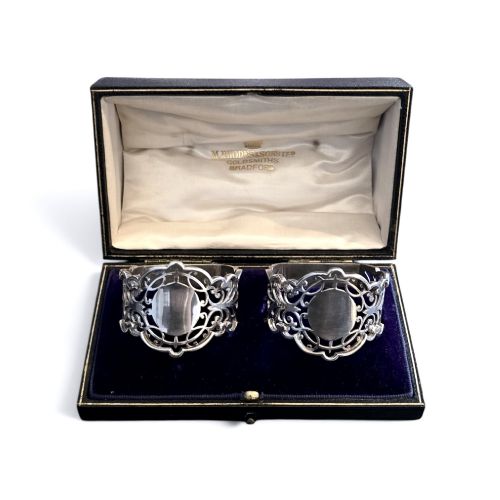
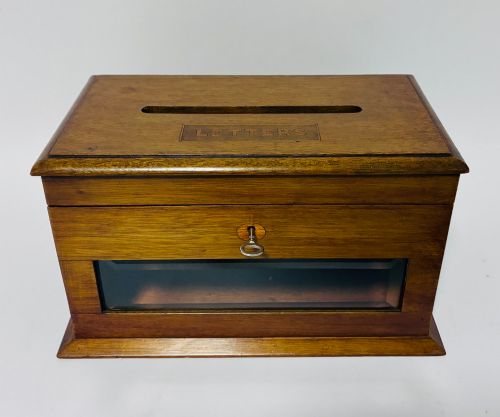
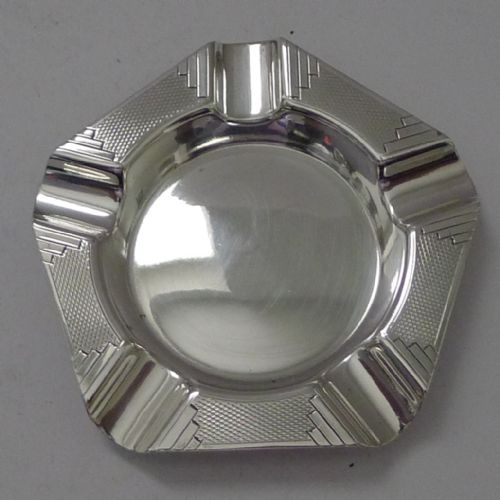
An antique hall accessory encompasses a diverse group of domestic items originating from the nineteenth and early twentieth centuries, including the Victorian, Edwardian, and Art Deco periods. Buyers searching this category encounter utilitarian objects intended for reception rooms and hallways, spanning oak letter boxes, mahogany postal holders, and large billiard scoreboards.
Materials and construction
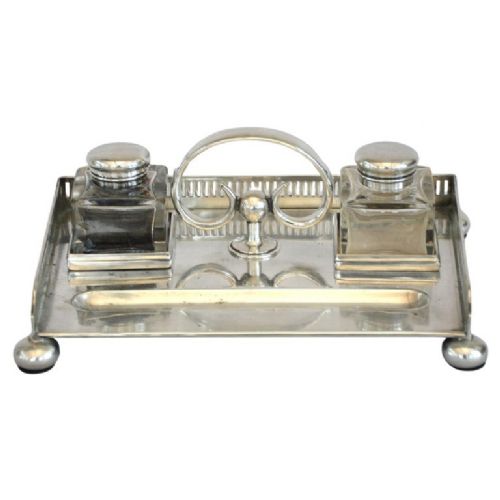
Woodworking craftsmanship appears in solid oak and mahogany items such as letter boxes and scoreboards, utilising traditional joinery appropriate for heavy domestic use. Metals such as brass, sterling silver, and silver plate form the structural and decorative basis for ink stands and ashtrays, often carrying hallmarks that record the assay office and year.
Glass production is represented through cut glass vessels paired with silver plate, particularly in biscuit barrels where moulded or wheel-cut patterns catch the light. Silver elements involve smithing techniques including casting, stamping, and engraving to shape napkin rings, salt cellars, and asparagus serving sets.
Antique Hall Accessory Retail Price Guide 2026
Typical asking prices for hall accessory among the pieces listed under this phrase on Sellingantiques today, from the lower quarter to the upper quarter. They describe what is for sale here now, not the wider market.
Variations in quality
The distinction between standard pieces and superior examples rests upon the crispness of the maker's hallmarks, the depth of the metalwork engraving, and the structural integrity of the timber. Finely executed items display sharp cutting on glass surfaces and robust hinges on wooden letter boxes that operate smoothly.
Attribution to established makers elevates a piece, as demonstrated by workshops like Walker and Hall or Martin Hall, where the weight of the silver plate and the precision of the assembly denote higher standards of production.
Martin Hall And Co·Walker And Hall·Thurston And Co
The Antique Hall Accessory Glossary
- Hallmark
- Official stamps applied to precious metals indicating the standard of purity, the maker, and the year of assay. These marks provide definitive historical context for silver items.
- Silver Plate
- A base metal coated with a thin layer of silver through electroplating or older fusion methods. It allowed makers to produce large tableware and desk items at a lower cost than solid silver.
- Cut Glass
- Glass decorated by grinding facets and patterns into the surface using a rotating wheel. This technique creates geometric designs that refract light.
- Ink Stand
- A desk accessory holding one or more inkwells, often with built-in channels for pens. These pieces formed standard equipment in nineteenth-century entrance halls and libraries.
Antique Hall Accessory: Frequently Asked Questions
How were wooden letter boxes used?
Wooden letter boxes sat on hall tables to collect incoming post and keep correspondence organised before rural and urban postal deliveries became frequent.
They were typically made from durable timbers like oak and mahogany to withstand daily household handling.
How do I identify silver plate?
Silver plate consists of a base metal substrate covered with a thin layer of silver, often distinguished by maker marks that differ from standard sterling hallmarks.
Items such as ink stands and biscuit barrels frequently utilised this technique to achieve a bright finish without the cost of solid silver.
How do I date an Edwardian piece?
Edwardian pieces date from the reign of King Edward VII between nineteen hundred and nineteen ten, often confirmed by specific date letters within silver hallmarks.
Stylistic cues from this era include refined Edwardian silver-topped table salts and napkin rings.