
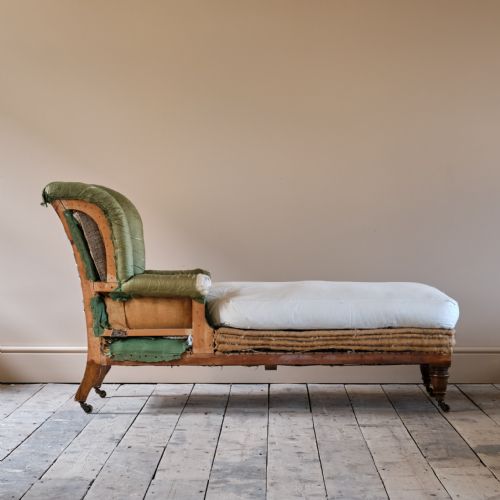


Antique Green Daybed
These antique green daybed pieces are nineteenth-century daybeds, chaise longues, and settees offering versatile daytime lounging.
Antique Green Daybed
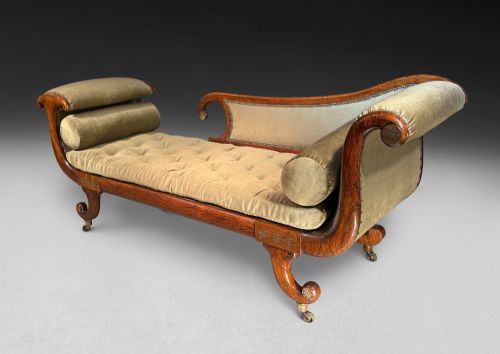
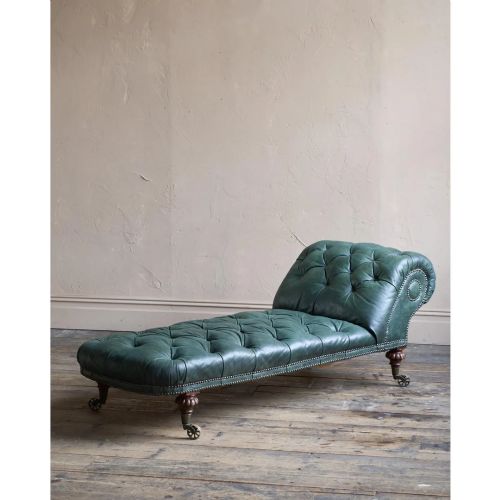
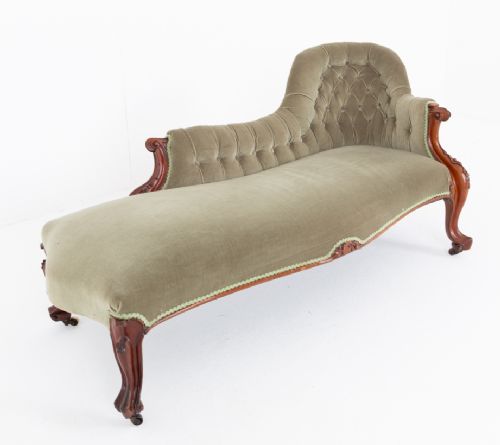
When you search for an antique green daybed, you encounter nineteenth-century daybeds, chaise longues, and sofas upholstered in green fabrics such as velvet and leather. These seating forms span Victorian, Regency, and French styles, often featuring scroll ends or reclining mechanisms.
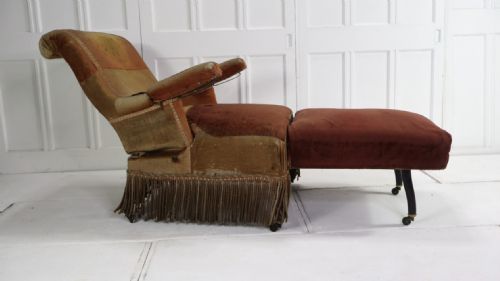
The selection here includes mahogany, rosewood, and giltwood frames alongside iron and brass bedsteads. You will also find specific variations like the French Duchesse Brisee and reversible box ottoman daybeds from the Victorian and Regency periods.
How they were made
Frames rely on timbers like mahogany, rosewood, and simulated rosewood, alongside gilded wood and structural iron or brass. Cabinetmakers shaped these materials into curved scroll ends and turned supports during the nineteenth century.
Upholstery incorporates traditional fabric, velvet, and leather over sprung or padded foundations. Metal components involve brass inlay work and combined iron and brass construction for beds and daybeds.
One versatile nineteenth-century design even offers a reversible box ottoman function for your lounging convenience.
What varies in quality
Quality rests in the crispness of the timber carving, the precision of brass inlay, and the structural integrity of the frame. Pieces with finely turned rosewood or mahogany show superior cabinetmaking compared to simpler utilitarian forms.
The refinement of the silhouette, from Italian Rococo curves to Regency scroll ends, determines the visual distinction of the seating. Original material choices, such as giltwood or substantial rosewood, separate standard examples from finer commissions.
R W Winfield·William Birch
The Antique Green Daybed Glossary
- Chaise Longue
- An elongated chair for reclining, popular in various nineteenth-century styles. It combines a chair back with a seat long enough to support the legs.
- Duchesse Brisee
- A multi-piece reclining chair and footstool combination, often in three parts. French examples divide into distinct seating sections for daytime relaxation.
- Victorian
- A period spanning the mid-to-late nineteenth century characterised by diverse revival styles. Furniture from this era ranges from heavy rosewood frames to iron and brass bed frames.
- Giltwood
- Wood that has been treated with gold leaf or gilt finish. This technique highlights carved decorative elements on formal nineteenth-century frames.
Antique Green Daybed: Frequently Asked Questions
What is an antique green daybed?
An antique green daybed is a nineteenth-century seating form upholstered in green leather or velvet, encompassing chaise longues, settees, and daybeds.
These pieces serve as versatile lounging furniture, combining traditional timber frames with green textile upholstery.
How were daybeds used historically?
Nineteenth-century daybeds and chaise longues provided places for daytime resting and reclining in reception rooms and bedrooms.
They allowed occupants to lounge in a semi-recumbent position without retiring to a full bed.
How do I identify a Victorian daybed?
Victorian daybeds typically feature dark woods like rosewood and mahogany, often with buttoned upholstery or carved scroll ends.
They reflect the diverse revival styles popular during the nineteenth century, including French and Rococo influences.