



Antique Greek Statue
An antique greek statue brings classical mythology and ancient forms into nineteenth-century drawing rooms through grand tour bronzes, marble carvings, and porcelain figures.
Antique Greek Statue
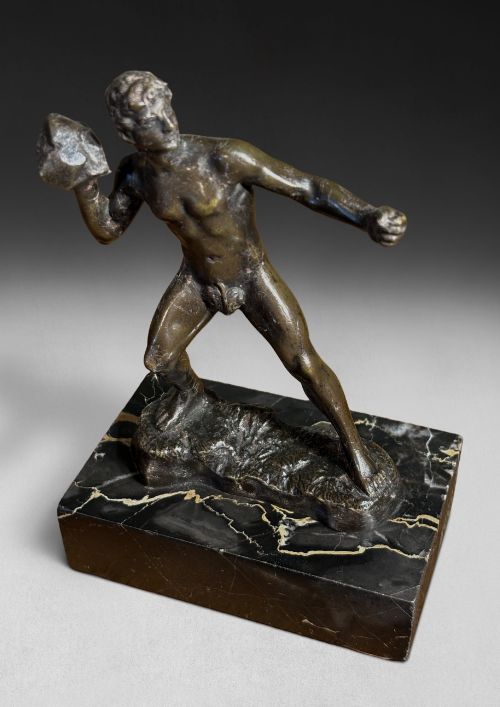
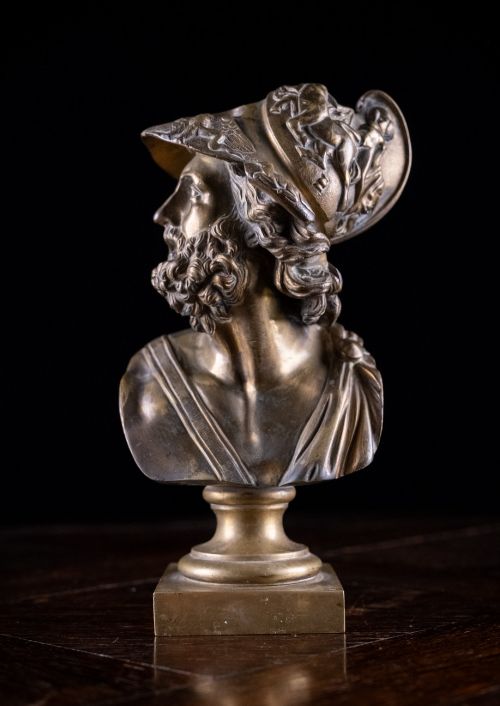
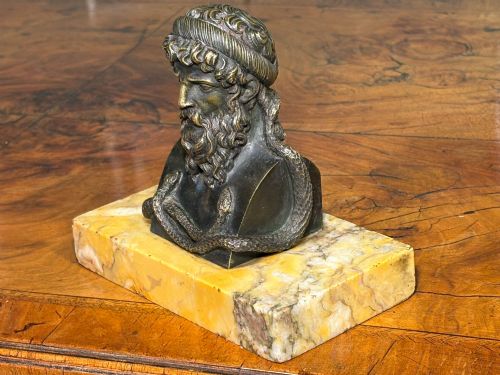
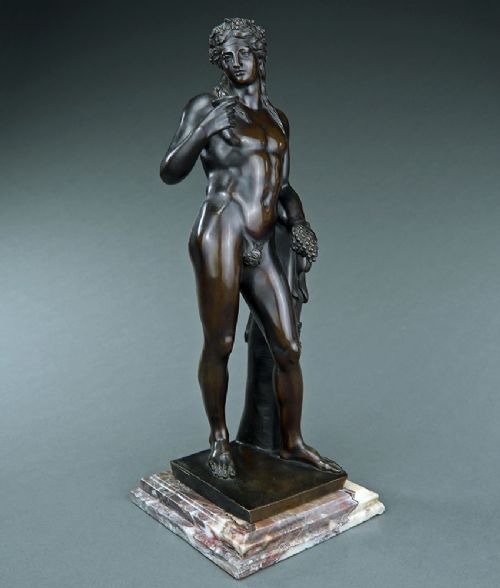
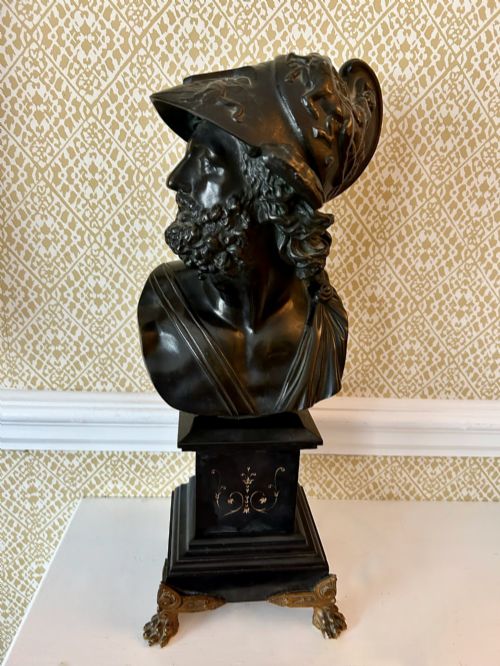
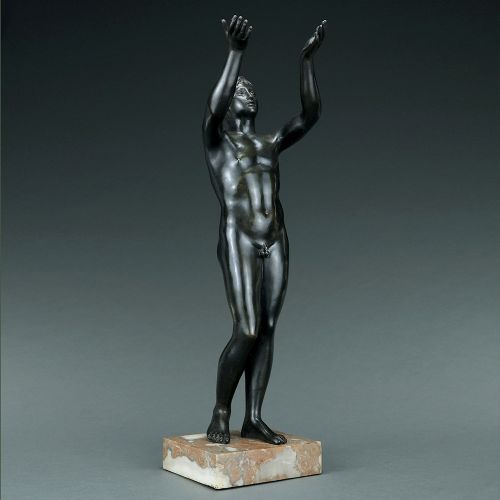
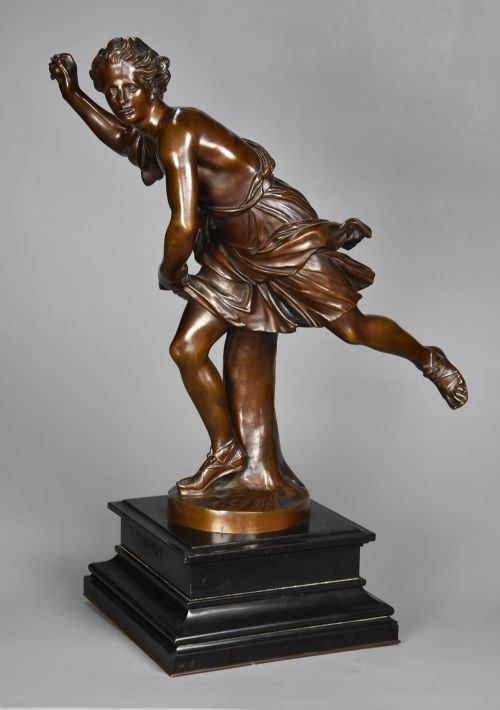
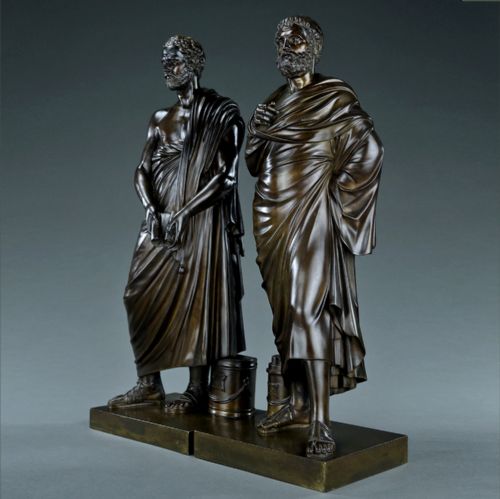
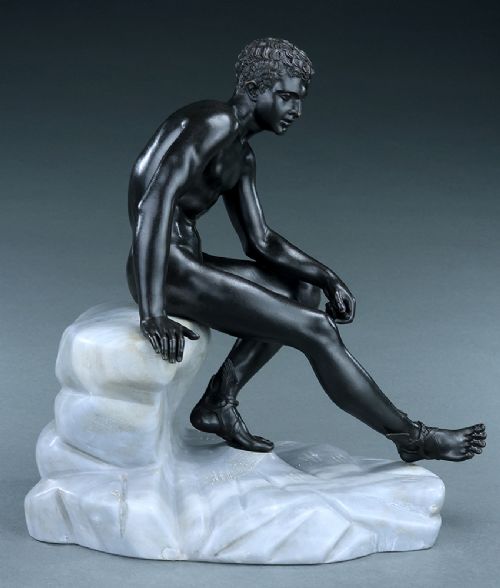
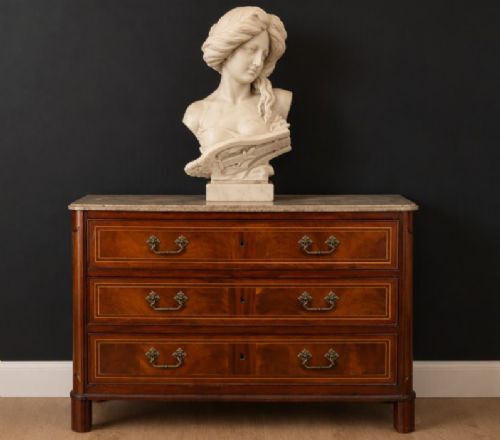
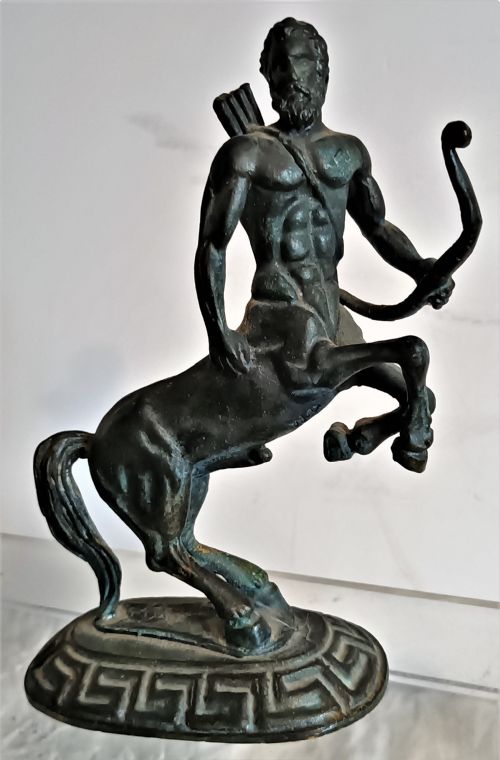
When you search for an antique greek statue, you encounter reductions and interpretations modelled after classical antiquities, principally created during the nineteenth century. These pieces encompass bronze sculptures of mythological figures, marble busts of muses and philosophers, and porcelain figurines derived from earlier sculptural masterworks.
Grand tour bronzes dominate the selections, serving as portable souvenirs collected by travellers journeying through Italy and Greece. Alongside these metal castings, you find plaster studies, ormolu accents, and framed engravings depicting classical subjects for domestic display.
Materials and construction methods
Foundries and studios utilised bronze, cast iron, and patinated or gilded surfaces to replicate the weight and appearance of excavated antiquities. Fine-grained marble and moulded plaster captured the smooth contours of human anatomy, while porcelain and parian ware offered ceramic interpretations of classical deities.
Craftsmen applied chemical patination, verdigris treatments, and cold painting to achieve aged surface tones on metal castings. Many bronzes carry foundry stamps or signatures from makers who specialised in reduction castings of museum originals.
Antique Greek Statue Retail Price Guide 2026
Typical asking prices for greek statue among the pieces listed under this phrase on Sellingantiques today, from the lower quarter to the upper quarter. They describe what is for sale here now, not the wider market.
Listings feature materials spanning bronze, marble, porcelain, wood, ormolu, and plaster across neoclassical and art nouveau styles.
Factors of quality and execution
The choice of medium and the fidelity of the reduction dictate the character of the object, with hand-chiseled bronze reductions commanding greater technical achievement than mass-produced plaster or routine ceramic copies.
Barbedienne·Franz Iffland·Louis Garnier
The Antique Greek Statue Glossary
- Grand Tour
- A traditional trip through Europe undertaken by upper-class Europeans in the eighteenth and nineteenth centuries to study classical art and culture. Souvenirs acquired during these travels heavily influenced nineteenth-century interior decoration.
- Parian Ware
- A type of fine biscuit porcelain developed in the nineteenth century that resembles carved white marble. It was frequently used for statuary and portrait busts.
- Patinated Bronze
- Metal sculpture treated with chemical solutions to produce a specific surface colour or aged finish. This process protects the bronze while enhancing the visual depth of the contours.
- Reduction
- A smaller copy of a full-scale sculpture produced mechanically or by hand from the original monument. Nineteenth-century founders specialised in these scaled-down versions for domestic display.
- Ormolu
- Gilded bronze mounts and decorative objects created by applying a gold-mercury amalgam to bronze. The technique imparts a rich golden sheen popular in neoclassical furnishings.
Antique Greek Statue: Frequently Asked Questions
What is a grand tour bronze?
Grand tour bronzes are nineteenth-century scale reductions of famous classical sculptures collected by travellers touring European antiquities.
These pieces brought ancient mythology and historical figures into Victorian homes as decorative mantel and cabinet ornaments.
What periods do these pieces date from?
The listings span the nineteenth and early twentieth centuries, with a heavy concentration in the Victorian era.
These works reflect the enduring nineteenth-century revival of neoclassical and classical Greek aesthetics.
Where were these statues displayed?
Owners placed these sculptures on library tables, mantelpieces, and within dedicated drawing-room display cabinets.
Larger figures and marble statues were also positioned in garden conservatories and entrance halls.