





Antique Granite Stone
Antique granite stone pieces bring enduring texture and historical weight to gardens and grounds, offering authentic vernacular utility for contemporary spaces.
Antique Granite Stone
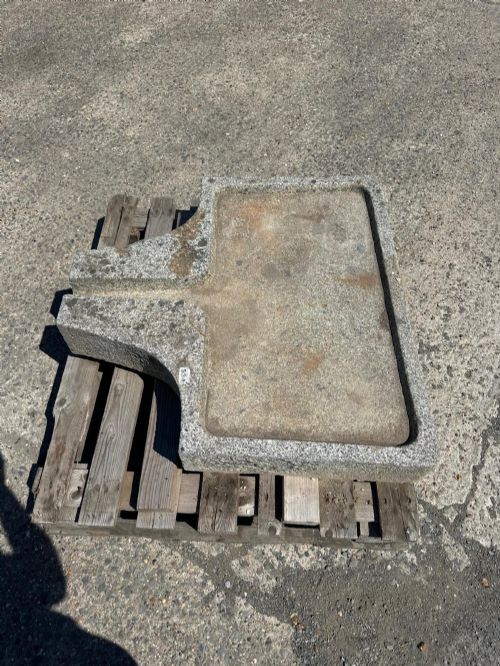
When you search for antique granite stone, you are looking at heavy architectural salvage and garden ornaments shaped from durable natural rock during the eighteenth and nineteenth centuries. These pieces carry the honest utility of rural and industrial life, fashioned for practical tasks rather than mere ornamentation.
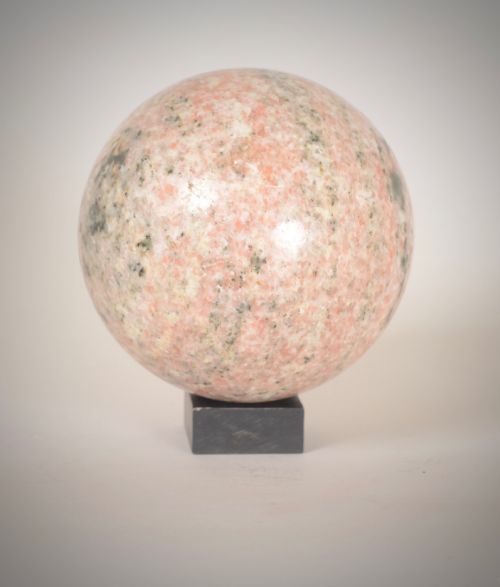
Other forms appearing in these listings include grindstones, presses, pillar caps from nineteenth-century chapels, and sporting items such as curling stones. Each object displays the distinct character of its original function, weathered by time and exposure to the elements.
How they were made
These pieces are hewn from natural stone and Cornish granite using traditional hand-working methods suited to immensely hard material. Masons relied on basic iron tools to split, shape, and hollow the rock, leaving tool marks that remain visible across many surfaces.
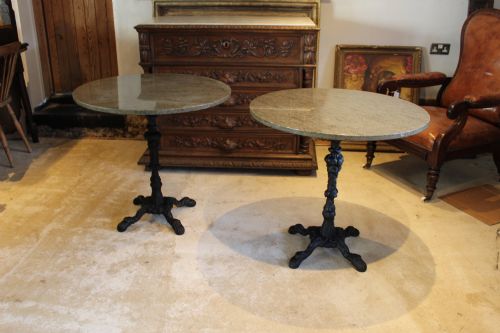
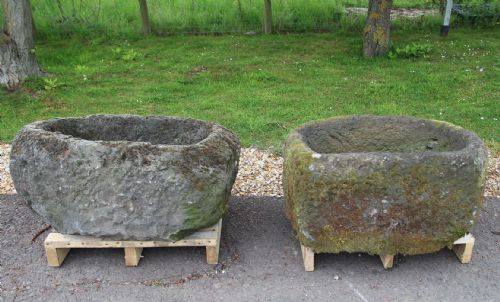
Many items incorporate supplementary elements such as brass or wood, though granite and natural stone form the primary substance of every piece. Exposure to weather over centuries has encouraged the growth of moss and lichen directly on the stone surfaces, binding the material to its environment.
Antique Granite Stone Retail Price Guide 2026
Typical asking prices for granite stone among the pieces listed under this phrase on Sellingantiques today, from the lower quarter to the upper quarter. They describe what is for sale here now, not the wider market.
Several pieces come complete with centuries-old coats of moss and lichen, saving you the trouble of waiting a few hundred years for them to settle.
What varies in quality
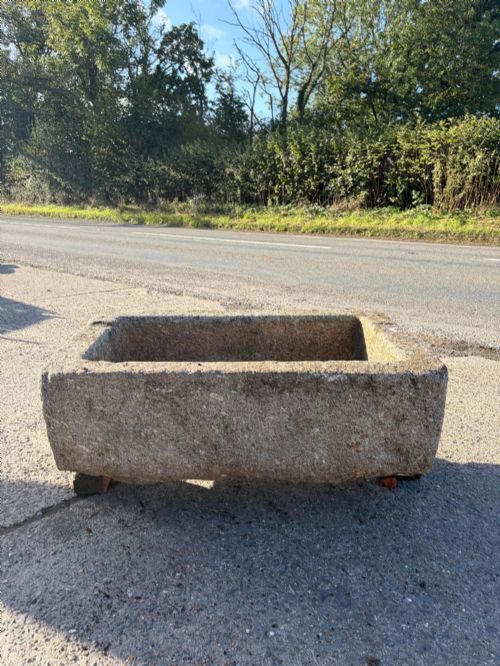
The distinction between ordinary and exceptional pieces lies in the clarity of the original form and the honesty of the weathering. Items retaining their intended structural proportions, such as well-balanced staddle stones or evenly hollowed troughs, demonstrate superior early craftsmanship.
Surface integrity and natural patination also dictate the appeal of each object. Accumulated layers of moss and lichen that develop naturally over centuries add depth, distinguishing genuine antique stone from later utilitarian replicas.
The Antique Granite Stone Glossary
- Staddle stone
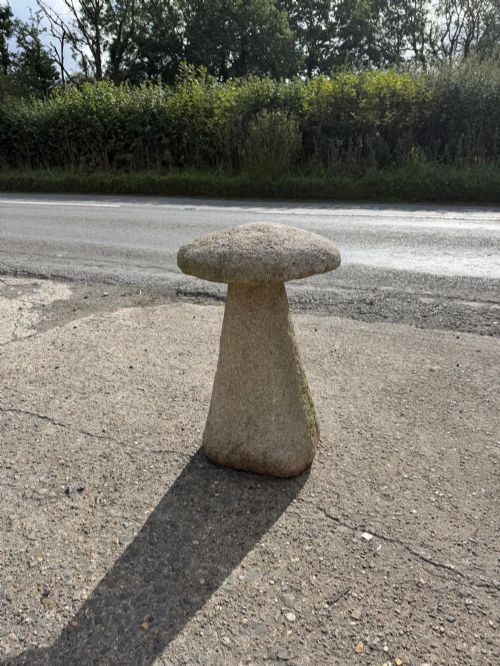
- A mushroom-shaped support historically used to raise granaries and barns off the damp ground to protect grain from pests and rot. These architectural elements consist of a base and a separate cap.
- Trough
- A long, open container carved from a single block of stone, originally used for feeding livestock or holding water. Their robust construction made them essential fixtures in farmyards.
- Curling stone
- A heavy granite stone fitted with a handle, slid across ice in the traditional Scottish sport of curling. Victorian examples often show distinct regional shapes and handle attachments.
- Grindstone
- A thick, circular stone disk rotated to sharpen metal tools or grind grain. These heavy industrial objects display central axle holes from their working life.
- Vernacular
- Architecture and objects built by local craftspeople using traditional methods and native materials, prioritizing practical function over academic architectural styles.
Antique Granite Stone: Frequently Asked Questions
What were staddle stones used for?
Staddle stones served as sturdy foundations for traditional agricultural granaries, keeping wooden storage buildings elevated above ground level. This clever design prevented dampness from rising into the grain and stopped rodents from climbing up into the harvest.
Over time, these functional stone supports have transitioned from farms to gardens, where their distinctive mushroom profiles make striking architectural ornaments.
How do I care for antique stone outdoors?
Granite and natural stone require very little maintenance because the material is exceptionally durable and weather-resistant. Allowing moss and lichen to remain on the surface preserves the natural patination acquired over centuries of exposure.
Placement should be considered carefully before installation due to the immense weight of these granite objects. Ensure the ground beneath is level and stable to support the heavy stone safely.
How can I tell the age of a stone trough?
Age is determined by observing the tool marks left on the granite surface, which reveal whether hand chisels or later mechanical saws were used in the carving process. Eighteenth and nineteenth-century pieces typically display irregular peck marks from manual shaping rather than uniform modern cuts.
The degree of weathering, combined with established colonies of moss and lichen, also provides a reliable indicator of prolonged exposure to the elements.
Where were most of these stones quarried?
A significant proportion of these items originate from Cornwall, where high-quality granite has been quarried and worked for centuries. Local trade networks distributed these heavy stone products across Britain for agricultural and architectural use.
Other regional variations, such as traditional Scottish curling stones, reflect the specific geological materials and sporting traditions of northern regions.