



Antique Grain Bucket
These antique grain bucket examples are working rural vessels turned domestic decor, offering tactile history and honest utility for the modern interior.
Antique Grain Bucket
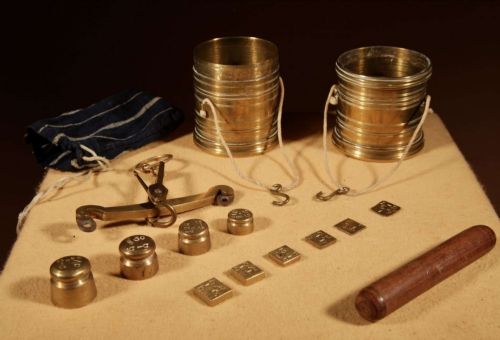
An antique grain bucket encompasses robust utilitarian vessels fashioned for agricultural and domestic tasks across diverse regional traditions. Buyers searching for an antique grain bucket encounter sturdy vessels adapted from farmyards, country houses, and provincial markets. The selection on this page draws heavily from nineteenth century origins, showcasing forms that originally measured dry goods, stored harvests, or carried household water.
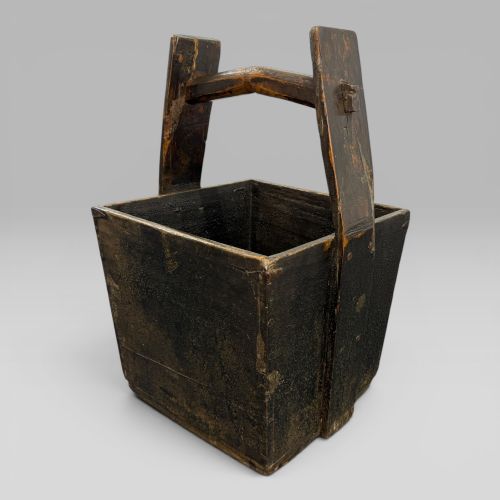
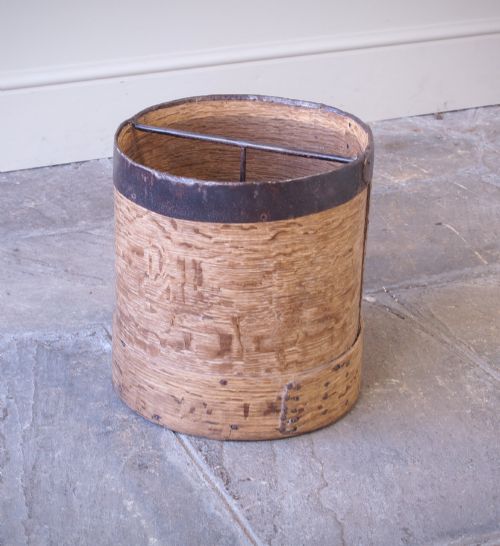
Regional variations shape the distinct character of these items, spanning English country house pieces, French provincial measures, and Chinese elm containers. Forms range from deep storage barrels and handled harvest baskets to heavy metal measures and coopered wooden bins. These pieces served practical daily roles before transitioning into planters, fireside log holders, and decorative vessels.
How they were made
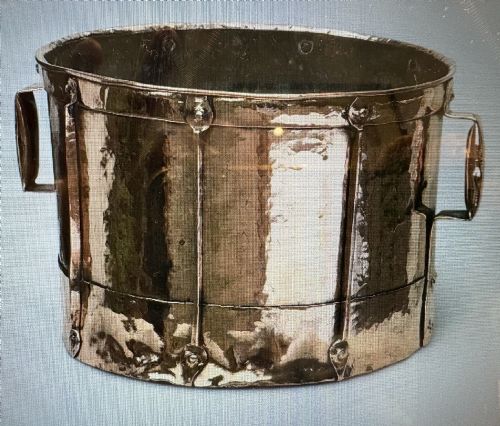
Construction relies on honest materials like solid wood, particularly elm and pine, shaped through traditional joinery and hand-carving techniques. Cooperage methods bound wooden staves with iron bands, copper bands, or brass fittings to contain heavy dry loads securely. Metal alternatives utilised beaten copper, brass, and toleware, often marked for capacity or reinforced with wrought iron handles.
Surface treatments remain straightforward, preserving the natural grain of the wood or the patinated finish of aged metal. Hand-carved elements appear on solid vessels, while metal measures display riveted seams and structural handles designed for heavy hauling.
Antique Grain Bucket Retail Price Guide 2026
Typical asking prices for grain bucket among the pieces listed under this phrase on Sellingantiques today, from the lower quarter to the upper quarter. They describe what is for sale here now, not the wider market.
Materials recorded across the inventory include wood, elm, pine, copper, iron, wrought iron, brass, textile, and lacquer.
What varies in quality
Quality rests in the integrity of the construction and the depth of the surface patina earned through decades of functional use. Superior examples retain their original bindings, handles, and structural stability without excessive timber shrinkage or modern repair. The strength of the original material, whether heavy copper or dense elm, dictates how well the piece survives its transition to decorative use.
Proportion and clarity of form separate standard utilitarian items from pieces with strong decorative presence. Original hardware, legible capacity markings, and untouched surfaces elevate an object above standard rural salvage.
The Antique Grain Bucket Glossary
- Toleware
- Lacquered or enamelled metalware, typically tin or iron, finished with painted details and used for domestic vessels. It appears in nineteenth century household contexts.
- Cooperage
- The craft of making wooden staved vessels bound with hoops of metal or wood. This technique created watertight barrels and storage bins.
- Ferrat
- A term associated with metal-reinforced measures, often applied to heavy French copper vessels. These pieces were built for rigorous agricultural measurement.
- Bushel
- A traditional unit of dry measure used for grain and produce. Bushel items often took the form of standardised wooden or metal containers.
Antique Grain Bucket: Frequently Asked Questions
What were antique grain buckets used for?
These vessels were originally built for agricultural and domestic labour, primarily measuring, storing, and transporting dry goods like grain, seed, and flour around farms and markets.
Over time, many served household duties as kitchen or dairy containers before retiring into domestic roles as fireside log bins, planters, and decorative storage.
How do I clean an antique copper or wooden bucket?
Wooden vessels require minimal intervention, needing only a soft dry cloth to remove dust and occasional application of appropriate wax to nourish aged timber.
Metal items like copper and brass should retain their accumulated patina, avoiding harsh commercial polishes that strip away the historical surface character.
How can I tell different regional styles apart?
Regional traits emerge through the choice of materials and construction methods native to each area, such as Chinese elm harvest baskets versus French copper measures.
English and Scandinavian country pieces favour coopered pine and robust iron bands, whereas provincial continental examples often utilise heavy sheet metal or distinct native hardwoods.
Can I use these antique buckets outdoors?
While many find new life as garden planters or patio storage, prolonged exposure to damp weather accelerates deterioration in historic wood and metal.
Protecting vulnerable timber and metal from standing water and severe frost helps preserve the structural integrity of these nineteenth century pieces.