





Antique Gourd Vases
These antique gourd vases bring organic double-bulb contours to interiors, pairing historical ceramic traditions with distinctive sculptural silhouettes.
Antique Gourd Vases
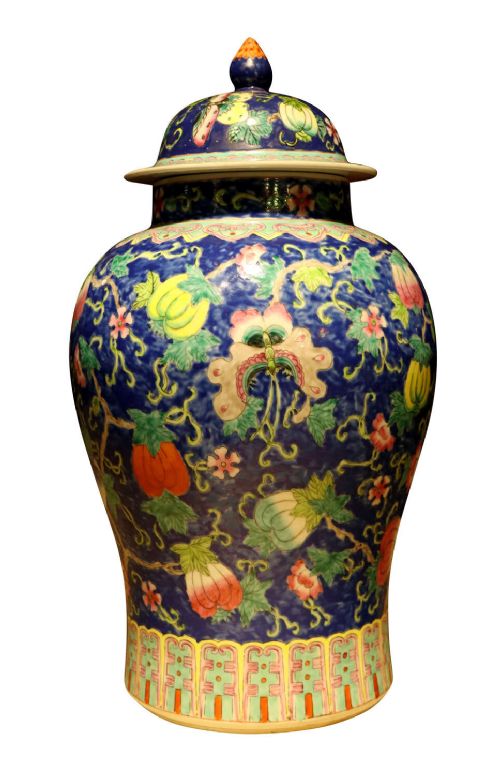
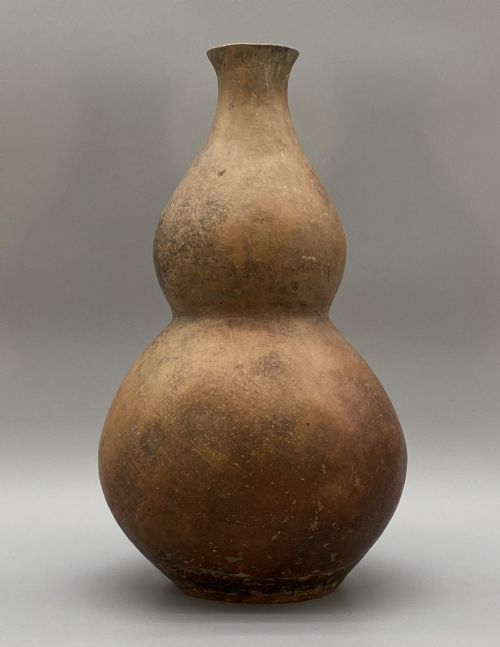
When you search for antique gourd vases, you encounter distinctive double-bulb ceramic and porcelain vessels spanning several centuries. The selections on this page range from Neolithic earthenware and Chinese export porcelain to European faience and Japanese Imari wares.
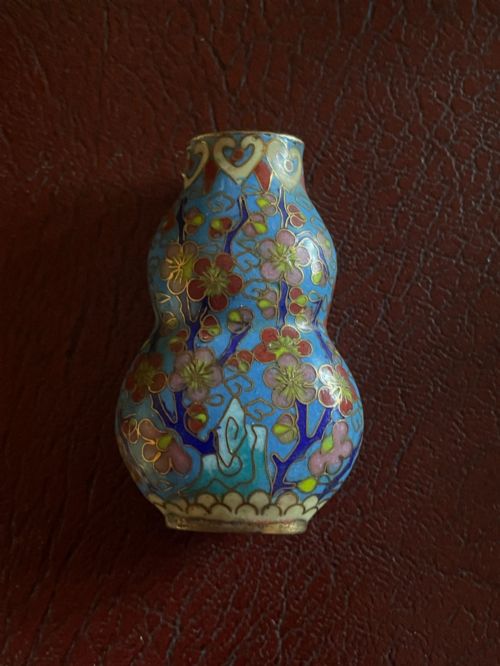
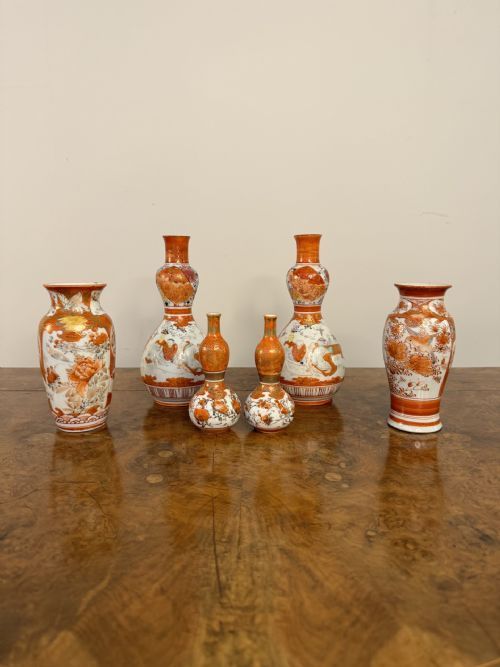
The most common forms you meet are double-gourd vases featuring characteristic pinched waists that echo the natural shape of the fruiting plant. These pieces frequently appear in blue and white porcelain, multi-coloured Japanese Imari, and intricate cloisonne metalwork.
Origins stretch from early Chinese dynasties and Japanese Meiji workshops to seventeenth-century European potteries and Victorian English art pottery. Each piece reflects the specific aesthetic priorities of its culture, whether through classical cobalt painting or bold Victorian faience glaze techniques.
How they were made
Potters shaped these vessels from clay bodies including porcelain, earthenware, and faience, often throwing the distinctive double-bulb profiles on the wheel. Artisans applied cobalt pigment, coloured glazes, and enamels before firing the pieces in kilns to vitrify the surfaces.
Some examples incorporate metal elements such as brass or detailed wirework for cloisonne enamel decoration. Others utilise gold leaf highlights or specialised slip-casting and intarsio techniques to build up surface texture and depth.
Antique Gourd Vases Retail Price Guide 2026
Typical asking prices for gourd vases among the pieces listed under this phrase on Sellingantiques today, from the lower quarter to the upper quarter. They describe what is for sale here now, not the wider market.
Several gourd vases have traded their original floral duties for a quiet retirement as electrified table lamps.
What varies in quality
The precision of the potting determines how successfully the double-gourd silhouette balances its upper and lower bulbous sections. Superior examples show clean, intentional proportions without distortion from the kiln firing process.
Painted and enamelled decoration separates standard production pieces from finer works. Controlled brushwork in cobalt pigment, crisp enamel boundaries, and well-executed glaze coverage indicate higher craftsmanship across both Asian and European pieces.
Doulton Lambeth·Meissen·Burmantofts Faience
The Antique Gourd Vases Glossary
- Double-Gourd
- A ceramic vessel shape formed with a smaller upper bulb resting above a larger lower bulb, mimicking the natural fruit. This silhouette holds a long history in Asian ceramic traditions.
- Imari
- A style of Japanese export porcelain decorated in underglaze blue and contrasting enamel colours such as iron red and gold. These wares gained popularity across European markets from the seventeenth century onward.
- Cloisonne
- A metalwork technique where flat wires are soldered to a metal base to create compartments that are then filled with enamel paste and fired. Miniature vases often employ this detailed decorative method.
- Faience
- European tin-glazed earthenware produced with an opaque white glaze that accepts painted ceramic colours. Victorian potteries adapted this technique for decorative art pottery.
- Celadon
- A term for ceramics glazed in a jade-green or grey-green colour, originating in China. The subtle glaze highlights carved or moulded surface details.
Antique Gourd Vases: Frequently Asked Questions
What is a double gourd vase?
A double gourd vase is a vessel shaped like a natural gourd, featuring two distinct bulbous sections divided by a constricted waist. This form symbolises auspicious meanings in various decorative traditions.
Potters across Asia and Europe adopted this organic silhouette for porcelain, earthenware, and metal cloisonne works, valuing its balanced yet unusual proportions.
How do I date an antique gourd vase?
Dating involves examining the potting clay, glaze characteristics, underglaze pigments, and any reign marks or maker stamps present on the base. Stylistic clues such as floral motifs or specific enamel palettes also point toward particular periods.
Comparing the manufacturing technique with documented examples from eras like the Qing Dynasty or the Meiji period helps narrow down the origin.
Were these vases used for flowers?
Many of these vessels functioned primarily as decorative display pieces rather than functional flower holders, particularly delicate cloisonne or heavily enamelled porcelain.
Some larger ceramic examples accommodated stems, while others were later converted into table lamps during the nineteenth and twentieth centuries to suit contemporary interiors.
How should I display an antique gourd vase?
Display these vases on stable surfaces where their distinctive double-bulb silhouettes can be viewed from multiple angles. Adequate lighting helps reveal subtle glaze variations, crackle patterns, or hand-painted details.
Keep pieces away from direct sunlight and high-traffic edges to protect fragile ceramic surfaces and historical enamelwork.