

Antique Gothic Accent Chair
An antique gothic accent chair brings architectural lines and heavy timber into a room, offering a seat rooted in medieval revival design.
Antique Gothic Accent Chair
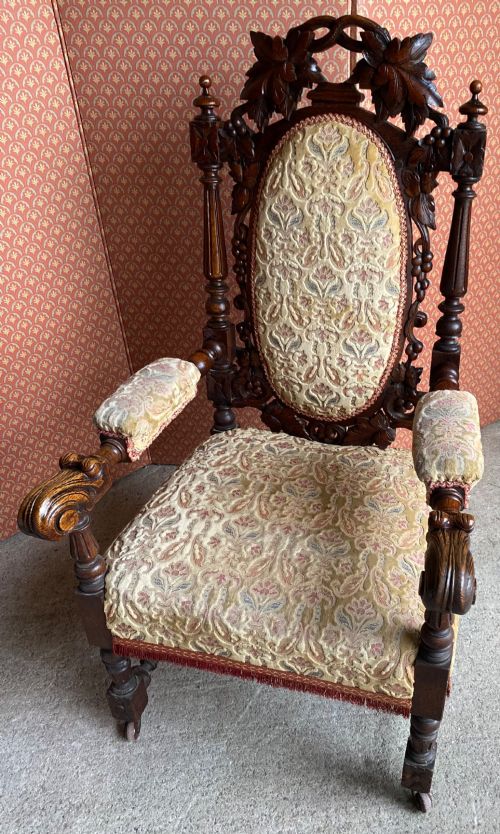
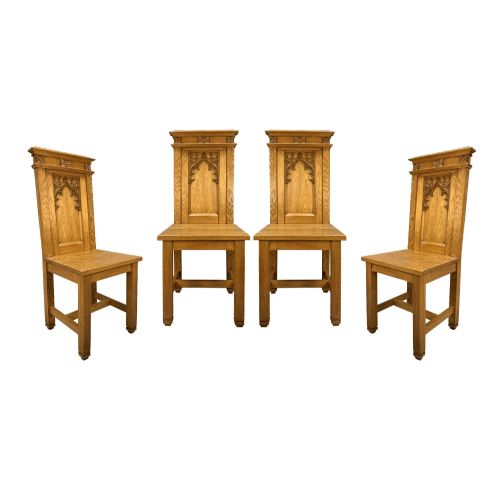
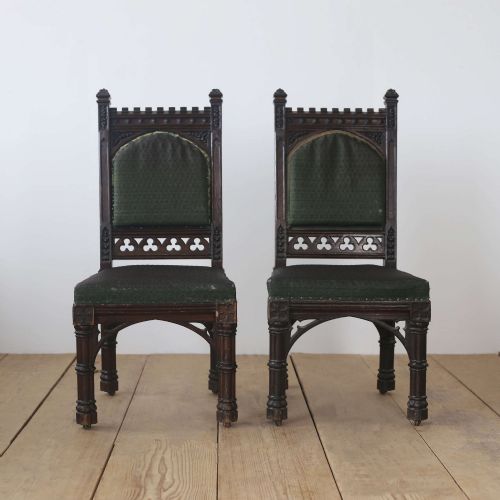
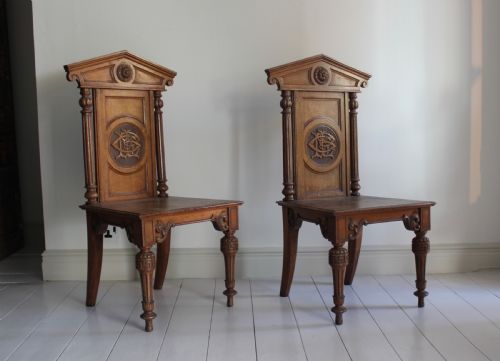
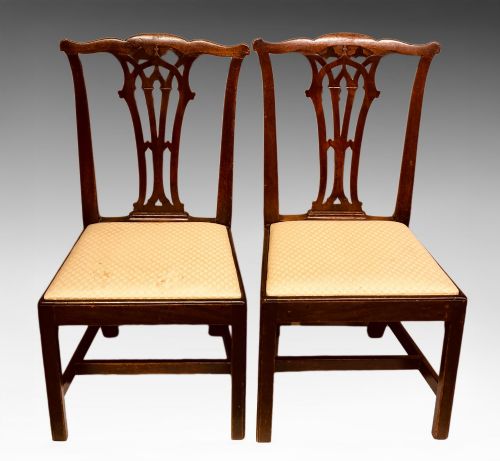
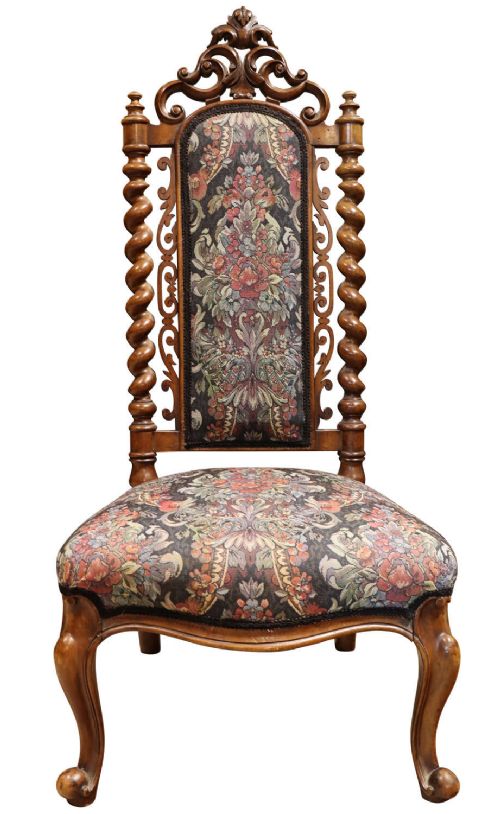
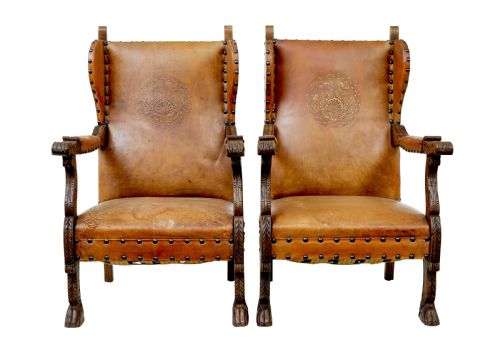
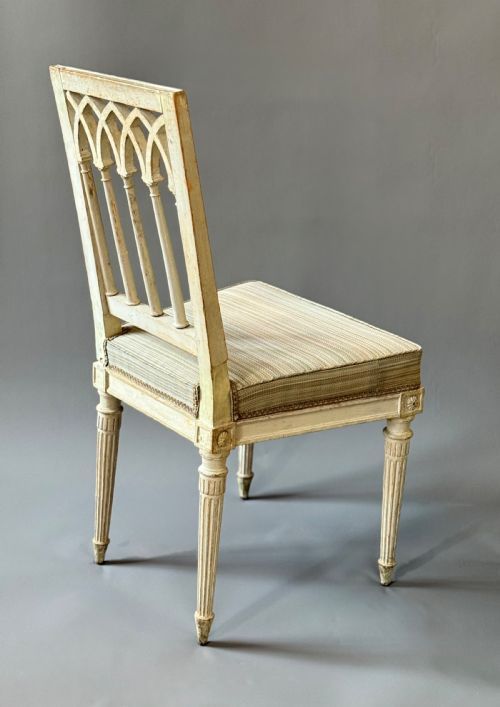
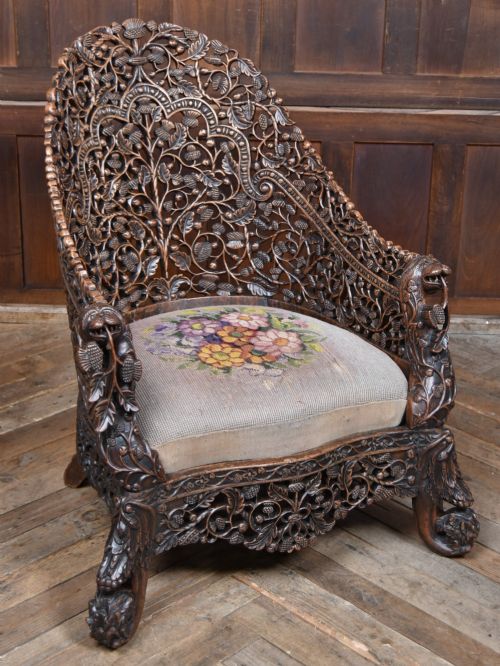
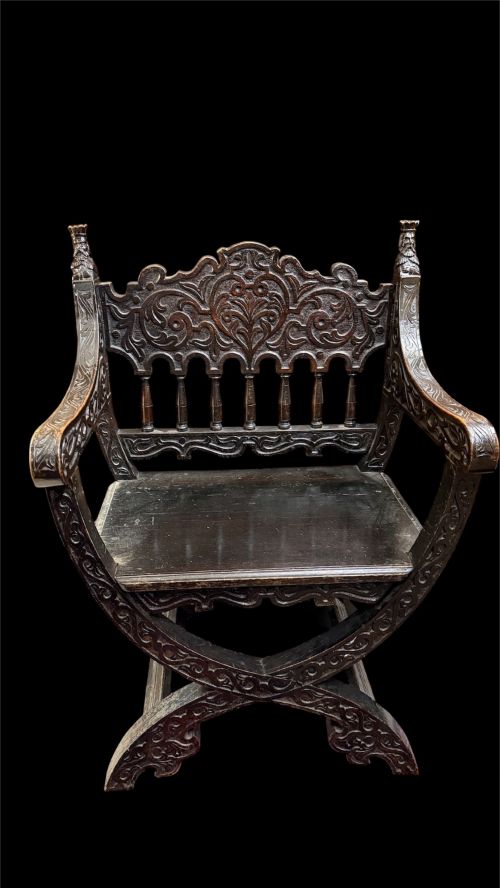
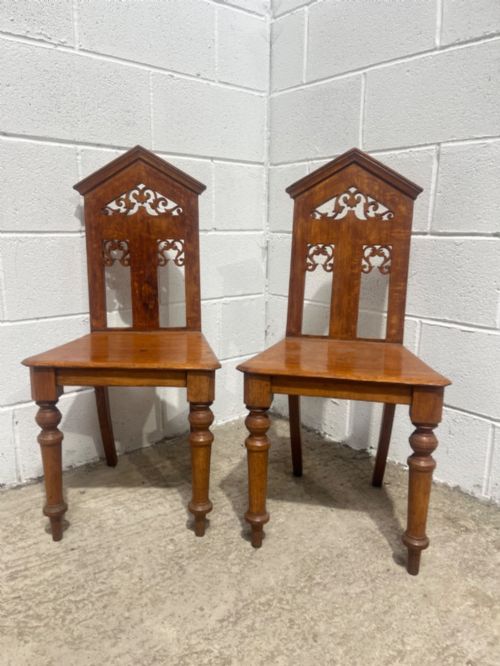
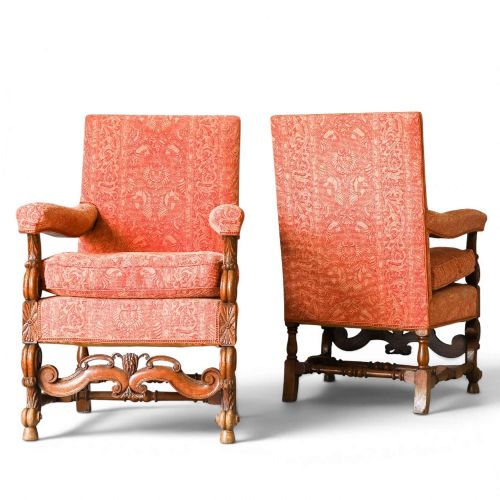
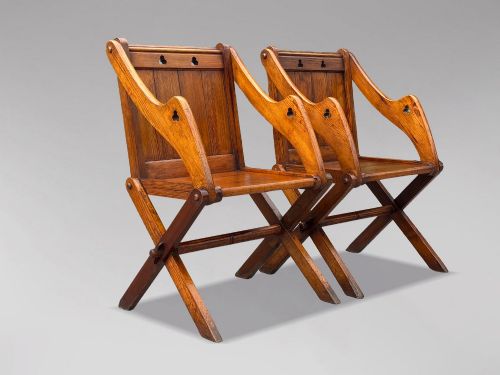
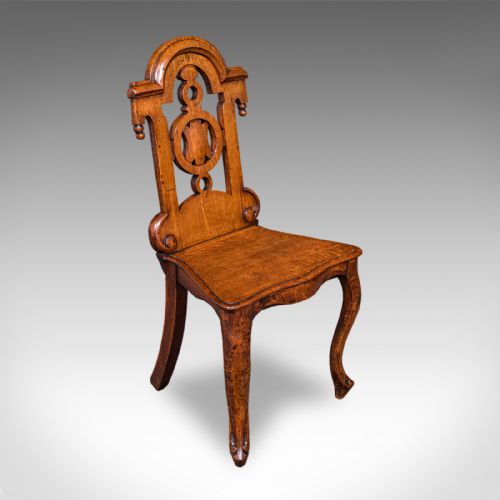
An antique gothic accent chair encompasses various seating forms designed within the gothic revival and associated historicist movements of the nineteenth century. Buyers encounter pieces ranging from heavy oak hall chairs and cross-frame Glastonbury armchairs to carved walnut reception seats and library armchairs. These forms draw on medieval, Tudor, and Jacobean motifs translated into domestic furniture for Victorian and later interiors.
The selection on this page relies heavily on nineteenth-century craftsmanship, with nineteenth-century, Victorian, and Edwardian dates dominating the inventory alongside select eighteenth-century examples. Oak is the primary wood of choice, supported by mahogany, walnut, and pitch pine. Side chairs, arm chairs, and hall chairs make up the physical forms available to collectors.
Materials and construction
Makers utilised solid timbers such as oak, walnut, mahogany, and pitch pine to achieve the substantial frames demanded by gothic design. Joinery relied on traditional methods suited to heavy woods, often featuring pegged mortise and tenon joints to withstand rigorous daily use in halls and libraries.
Surface texture came from hand carving, turning, and applied details like trefoil motifs, heraldic shields, and embossed leather. Upholstery materials included tapestry and leather, fastened to frames of painted wood or polished timber.
Apprentice carvers practiced their heraldic shields on miniature hall chairs until the wood gave up.
Judging the standard
Quality rests in the depth and crispness of the hand carving, where deeply articulated tracery and heraldic details distinguish finer pieces from simpler commercial output. Timber selection dictates presence, with dense, figured oak or walnut carrying more visual weight than plain secondary woods.
Proportion and structural integrity define the upper tier of these chairs, particularly in larger library armchairs and church seating. Pieces bearing documented maker stamps or closely following known design sources by architects like Pugin or designers like Talbert hold a distinct place in the hierarchy.
Bruce Talbert·Gillows
The Antique Gothic Accent Chair Glossary
- Gothic Revival
- An architectural and decorative style drawing inspiration from medieval design, featuring pointed arches, trefoils, and heavy structural elements. This aesthetic dominated nineteenth-century furniture production.
- Glastonbury Chair
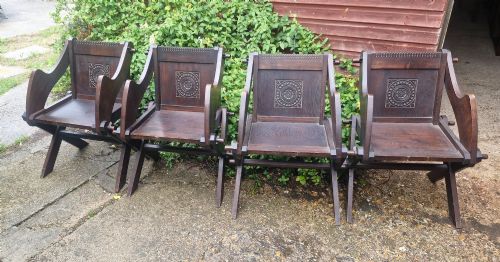
- A distinct form of cross-frame wooden armchair with a sloping panel back and flat armrests, frequently executed in oak or pitch pine. The design replicates ancient ecclesiastical prototypes.
- Turners Chair
- A form of armchair constructed entirely from turned wooden spindles and rails, sometimes known as a roundabout or Glastonbury precursor. These pieces utilise sixteenth- and seventeenth-century vernacular traditions.
- Hall Chair
- A rigid wooden seat intended for placement in an entrance hallway, usually featuring a solid timber seat and a carved or shield-shaped back. They often display heraldic painting or carving.
- Wainscot Chair
- A heavy wooden armchair constructed with panelled backboards, popular in the seventeenth century and revived during the Victorian era. The term denotes solid panel construction rather than upholstered ease.
Antique Gothic Accent Chair: Frequently Asked Questions
Where did people place these chairs?
These chairs served specific functional roles in nineteenth-century homes, appearing primarily in entrance halls, libraries, and formal reception rooms. Hall chairs stood ready for visitors, while substantial armchairs provided seating in studies.
Today, buyers use them as accent pieces in living spaces or bedrooms where their architectural timber frames provide contrast against modern furnishings. Their sturdy construction suits placement in hallways or as singular statement seats.
How do I identify a revival date?
Distinguishing nineteenth-century revivals from medieval originals requires examining the tool marks, timber seasoning, and construction symmetry. Revival pieces from the Victorian era typically display machine-assisted preparation combined with hand-finished carving.
Makers working in the gothic revival style referenced historical pattern books while employing contemporary nineteenth-century workshop practices. Hardware, screw types, and secondary woods inside the frame often clarify the actual period of manufacture.
What is a Glastonbury chair?
A Glastonbury chair is a collapsible or fixed cross-frame armchair featuring a sloping panel back and broad, downward-sloping armrests. The form derives from an ancient episcopal throne preserved at Wells and Glastonbury.
Victorian makers reproduced these chairs extensively in oak and pitch pine, often incorporating religious symbols or trefoil cutouts. The interlocking leg construction allows the chair to be dismantled easily.
How do I care for antique oak?
Antique oak furniture requires stable indoor humidity levels to prevent the solid timber from drying out or splitting. Direct sunlight should be avoided to protect the polished or waxed surface patination.
Routine maintenance involves dusting with a soft cloth and occasionally applying natural beeswax to nourish the wood grain. Avoid using silicone sprays or modern household cleaners on historic timber surfaces.