



Antique Gold Tea Cup
An antique gold tea cup brings porcelain and gilding together, offering a glimpse into the formal dining habits of past centuries.
Antique Gold Tea Cup
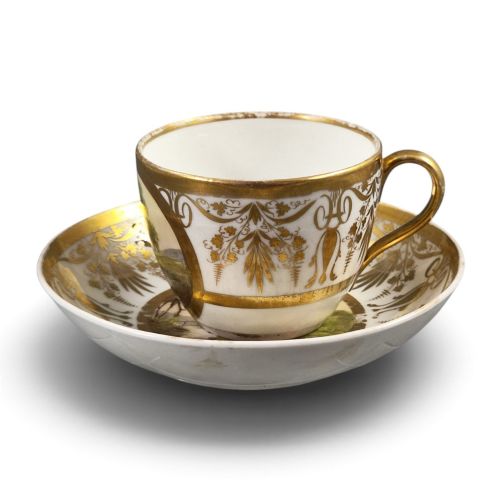
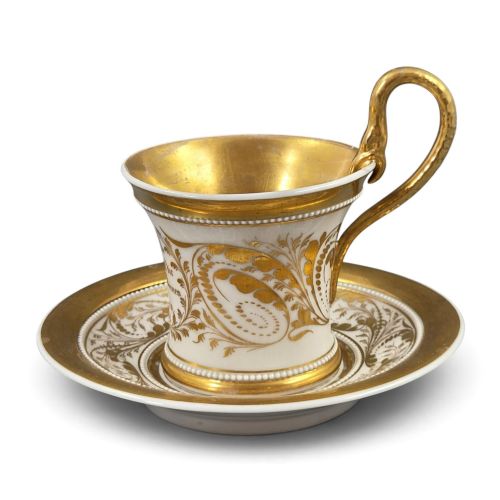
When searching for an antique gold tea cup, buyers encounter items ranging from Georgian tea bowls to Regency trios and Victorian cabinet pieces. These objects primarily include cups, saucers, and sometimes matching stands or covers, reflecting the changing social rituals of tea drinking across the eighteenth and nineteenth centuries.
The pieces appearing on this page span several distinct periods, notably the Georgian, Regency, and Victorian eras, alongside later twentieth-century examples. English factories such as Worcester, Spode, and Coalport sit alongside continental works like KPM Berlin and Russian ceramics, each bringing distinct regional shapes to the table.
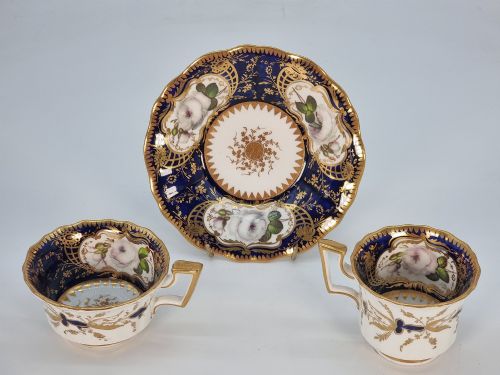
Most items presented take the form of duos or trios, combining a cup and saucer with a matching plate, or appearing as part of larger tea and coffee sets. The decorative application of gold leaf and gilding unites these varied forms, turning utilitarian vessels into display items.
Materials and Craftsmanship
The manufacture of these pieces relies heavily on hard-paste and soft-paste porcelain, bone china, and ceramic bodies shaped into delicate tea bowls, cups, and saucers. Potters moulded or threw the clay before firing, preparing a smooth white surface suitable for detailed hand-painting.
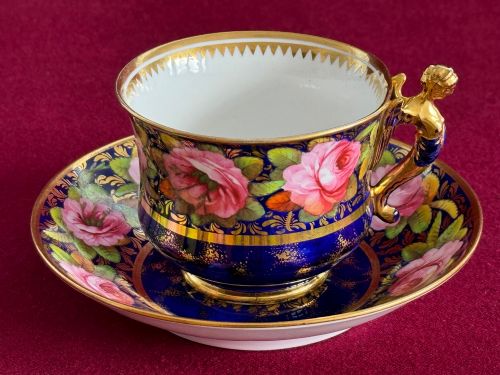
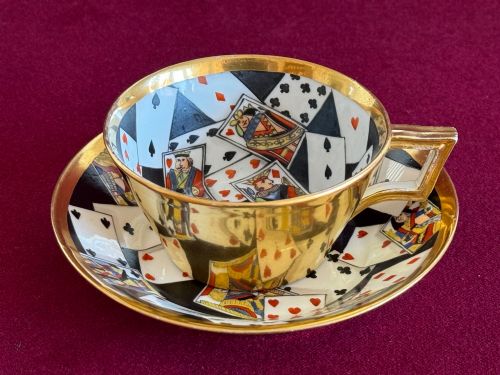
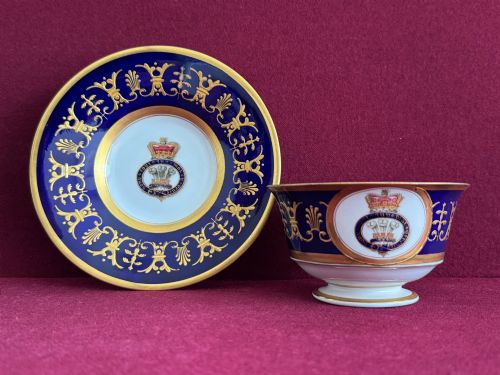
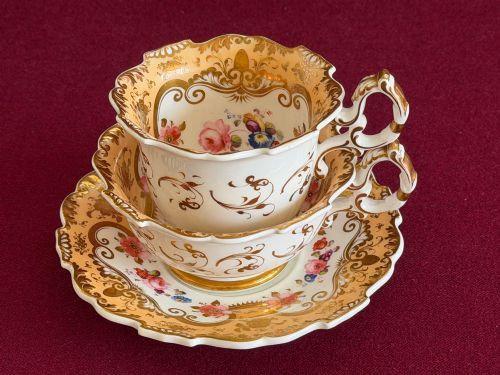
Gilding and gold leaf provide the defining visual element, applied by hand to rims, handles, and intricate patterns across the porcelain surface. Enamel decoration often accompanies the gold, creating coloured floral scenes, landscapes, and abstract motifs fired permanently onto the ceramic glaze.
Antique Gold Tea Cup Retail Price Guide 2026
Typical asking prices for gold tea cup among the pieces listed under this phrase on Sellingantiques today, from the lower quarter to the upper quarter. They describe what is for sale here now, not the wider market.
Materials appearing across these selections encompass bone china, hard-paste porcelain, enamel, and applied gold leaf or gilding.
Judging the Quality
Quality rests in the precision of the hand-painted details and the weight of the gilding applied to the porcelain body. Pieces decorated by named factories or skilled artists show finer brushwork in landscapes, portraits, and botanical studies than standard production wares.
The handling of the gold leaf itself dictates the distinction between standard and superior pieces, where burnished gold reflects light with greater depth than flat painted bronze powders. Well-preserved gilding that retains its original brilliance distinguishes cabinet items from heavily used domestic vessels.
Spode·Barr and Barr Worcester·Duesbury and Kean Derby·H and R Daniel·Davenport·Coalport John Rose·KPM Berlin·Kusnetzoff·Taniguchi·Royal Worcester
The Antique Gold Tea Cup Glossary
- Cabinet trio
- A set consisting of a teacup, saucer, and matching plate intended primarily for display rather than regular use. These items often feature elaborate hand-painted scenes and heavy gilding.
- Tea bowl
- A handleless vessel used for drinking tea during the eighteenth century before the widespread adoption of handled cups. They sit alongside matching saucers in early sets.
- Gilding
- The application of gold leaf, gold paint, or gold gilt to the surface of porcelain or ceramic objects. This technique highlights rims, handles, and decorative motifs.
- Hard-paste porcelain
- A durable ceramic material fired at high temperatures, composed of kaolin and petuntse. It forms the robust body of many continental European tea wares.
- Bat wing pattern
- A specific decorative design found on porcelain tea sets, noted for its segmented panel arrangement resembling wings. It appears frequently on nineteenth-century English wares.
Antique Gold Tea Cup: Frequently Asked Questions
What is an antique gold tea cup?
An antique gold tea cup is a ceramic or porcelain vessel decorated with gold leaf or gilding, produced during periods ranging from the eighteenth century to the early twentieth century. These items include individual cups and saucers, trios, and complete tea services.
They reflect the shifting ceramic styles of English and continental European factories, serving functional roles in past dining traditions before transitioning into decorative cabinet pieces.
How were these tea cups used?
These vessels were utilised during formal tea and coffee services in domestic and social settings. Wealthy households displayed them during afternoon gatherings to serve hot beverages.
Over time, many finely gilded pieces shifted from daily utility to display status, kept in glass cabinets as examples of skilled ceramic art.
How do I live with antique porcelain?
Living with antique porcelain involves careful handling, proper display away from direct sunlight, and gentle hand-washing when necessary. Because many pieces feature delicate gold leaf and enamel painting, avoiding abrasive cleaners preserves the surface.
Displaying them in secure cabinets or on stable surfaces lets you appreciate the hand-painted details while protecting the fragile ceramic bodies from accidental damage.
How do I tell periods apart?
Periods are identified by examining the shape of the vessel, the composition of the ceramic body, and the style of decoration. Georgian and Regency pieces often feature neoclassical forms and delicate tea bowls, while Victorian items show heavier moulding and broader colour palettes.
Factory marks, when present on the base, provide direct evidence of the manufacturing era and help link the piece to specific historical decades.