

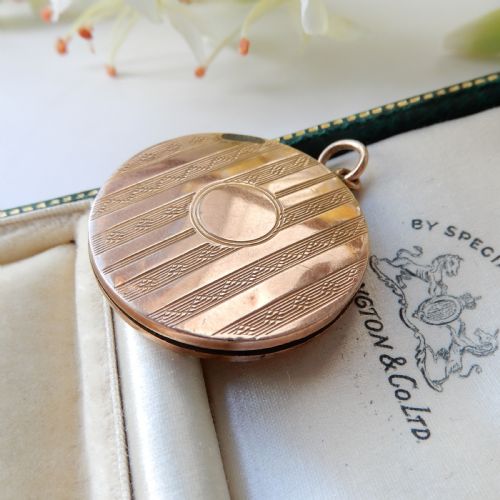


Antique Gold Keepsake
An antique gold keepsake bridges personal history and fine metalwork, taking the form of lockets, pendants and decorative boxes.
Antique Gold Keepsake
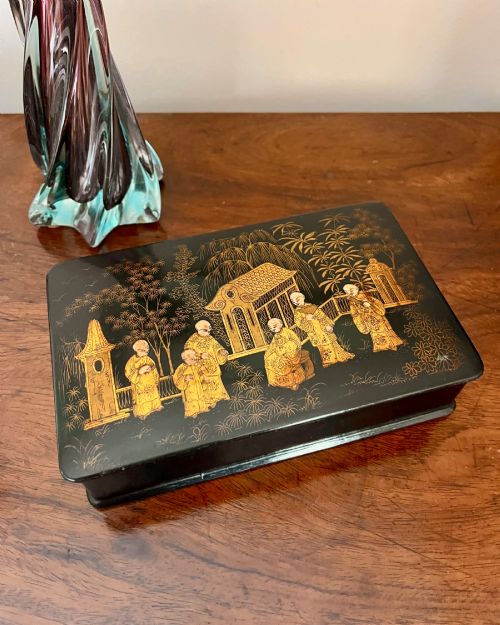
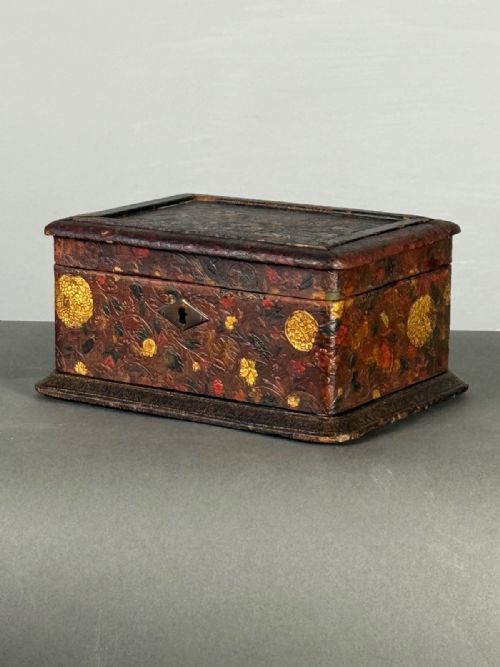
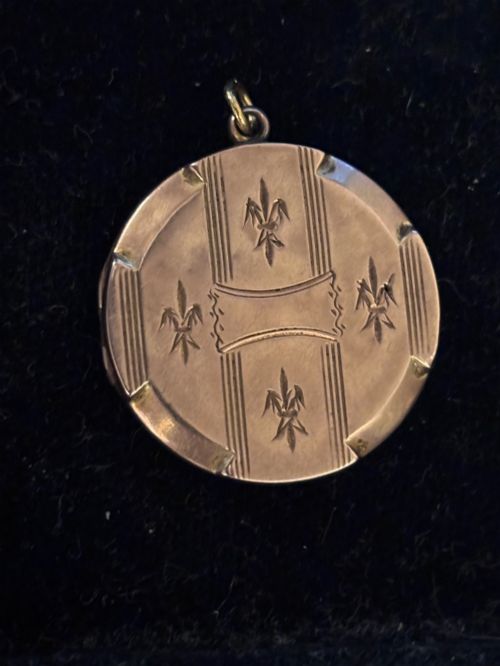
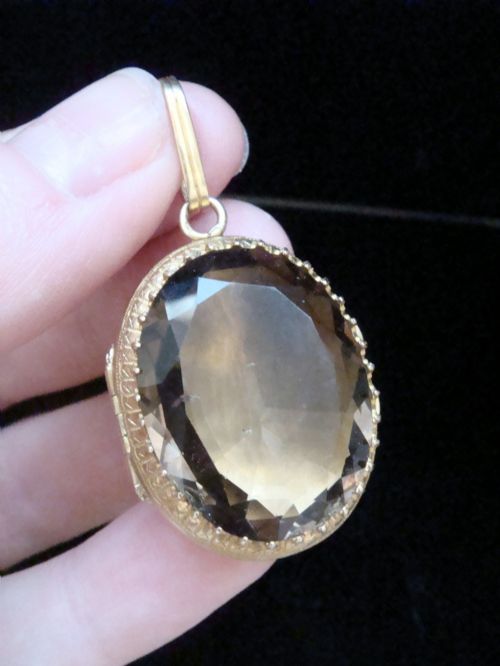
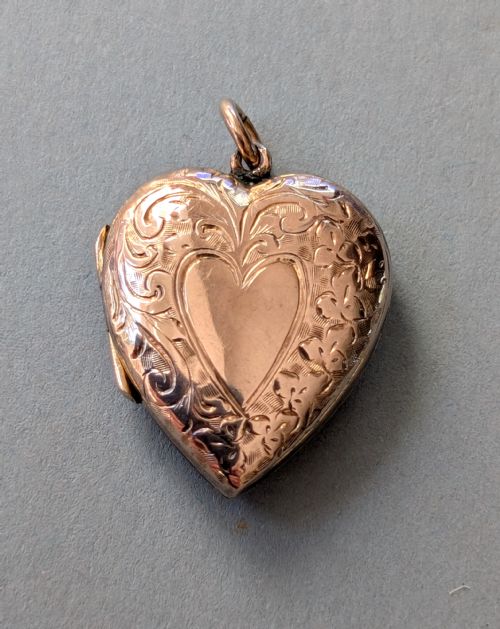
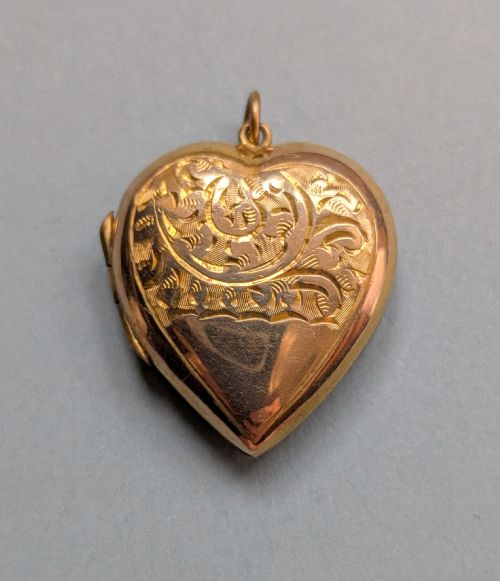
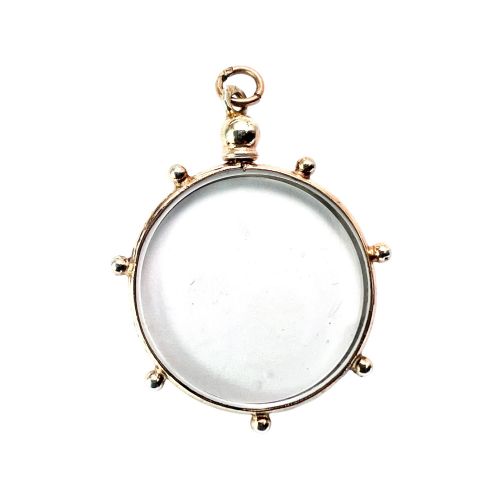
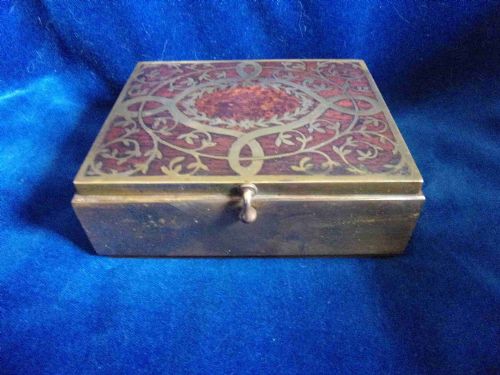
An antique gold keepsake encompasses personal mementos designed to hold portraits, hair or small treasures close to the body, alongside small decorative containers intended for dressing tables or desks. You will encounter these pieces spanning several distinct periods, with Victorian and Edwardian examples appearing most frequently on this page.
Materials and construction
Makers shaped these items predominantly from yellow, rose and high carat gold, occasionally utilising gold back and front construction alongside silver, brass, or ormolu mounts. Precious and semi-precious stones such as diamonds, sapphires, rubies, turquoise, pearls and citrine frequently punctuate the metal surfaces.
Beyond metalwork, construction encompasses lacquered wood, polychrome leather, glass, agate and painted papier-mâché. Intricate decorative techniques including engine turning, ornate engravings, hand painting, penwork and inlaid motifs define the exterior finishes of both the jewellery and the boxes.
Several miniature boxes were built specifically to safeguard tiny personal diaries, complete with their own minuscule locking mechanisms.
Assessing the pieces
Distinction across the range rests upon the depth of hand-applied detail, from crisp engine-turned patterns and delicate floral engravings to the precision of miniature painted scenes and the setting of natural stones like diamonds and sapphires. Pieces that retain their original glass faces, intact interior compartments and secure hinges command greater attention.
The choice of materials also divides the items, separating solid high carat gold and fine ormolu from gold back and front alternatives or simpler brass and wood vessels. The finesse of the maker's hand, whether expressed in a French export hallmark or an intricate Japanese lacquer technique, elevates the surviving work.
SUSSE FRERES PARIS·ERHARD AND SOHNE
The Antique Gold Keepsake Glossary
- Locket
- A hinged pendant designed to open and reveal a small space for a photograph or lock of hair. Many examples in this selection take circular or heart shapes.
- Engine turned
- A mechanical method of ornamenting metal surfaces with precise, intricate geometric patterns. This technique frequently appears on Georgian and Victorian gold items.
- Mourning locket
- A piece of commemorative jewellery created to remember a deceased person, often incorporating jet, pearls, black enamel or hair beneath a glass panel.
- Ormolu
- A gilded bronze finish applied to decorative mounts and trinket boxes, popular in nineteenth-century French pieces. It provides a rich, brassy metallic lustre.
- Back and front
- A method of jewellery construction where the exterior components consist of gold sheet while the interior core uses a base metal. This allowed for lighter, more affordable wear.
Antique Gold Keepsake: Frequently Asked Questions
What fits inside an antique locket?
These hinged pendants were traditionally made to hold miniature portraits painted on ivory or paper, dried flowers, or small locks of braided hair.
Owners kept these personal mementos pressed against the chest as a private token of remembrance or affection.
How are nineteenth-century boxes cleaned?
Delicate materials like lacquer, papier-mâché and antique leather require only a dry, soft cloth to remove surface dust safely.
Moisture and modern chemical polishes will damage painted miniatures, exposed wood and historic gold finishes.
What is a gold back and front piece?
This manufacturing technique uses thin sheets of gold for the visible exterior surfaces while housing a base metal core internally.
It provided the rich appearance of solid gold jewellery at a lighter weight and more accessible cost for Edwardian buyers.
How do I date a Georgian locket?
Georgian pieces often display characteristic hand-cut gemstones, closed-back settings, and distinctive engine-turned or floral surface details.
Comparing the clasp mechanism and the specific hue of the gold against known nineteenth-century examples helps narrow the production era.