
Antique Gold Cherub
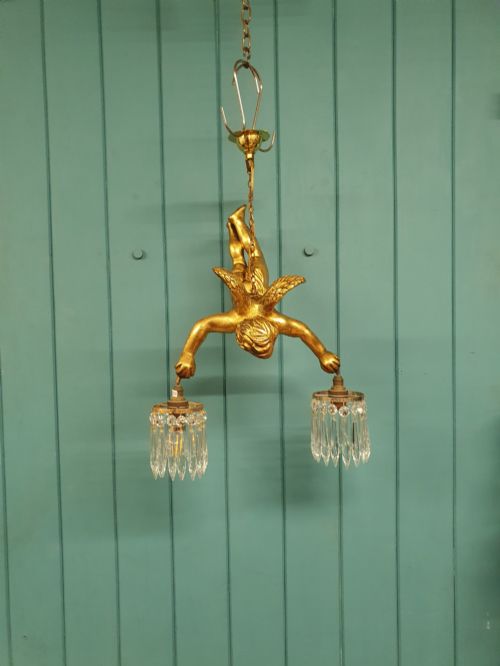
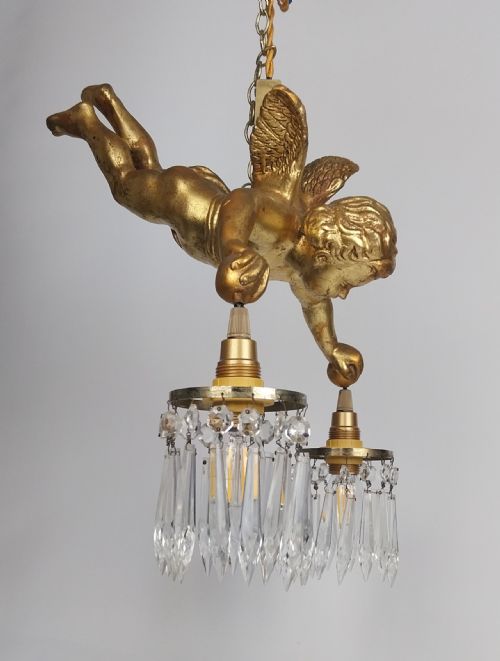
An antique gold cherub brings winged grace and sculptural charm into a room, taking the form of gilt bronze wall lights, marble clocks and crystal chandeliers.
Antique Gold Cherub
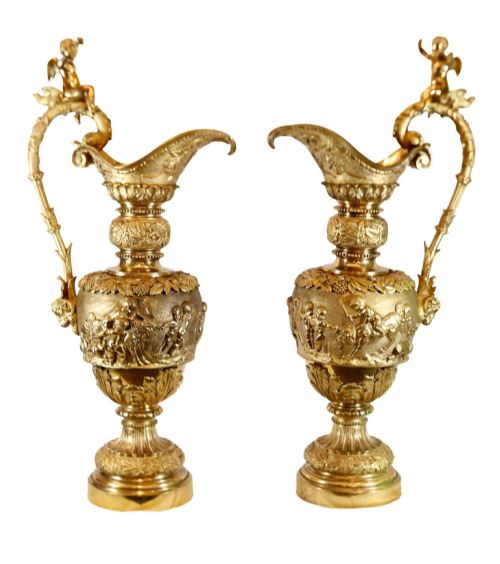
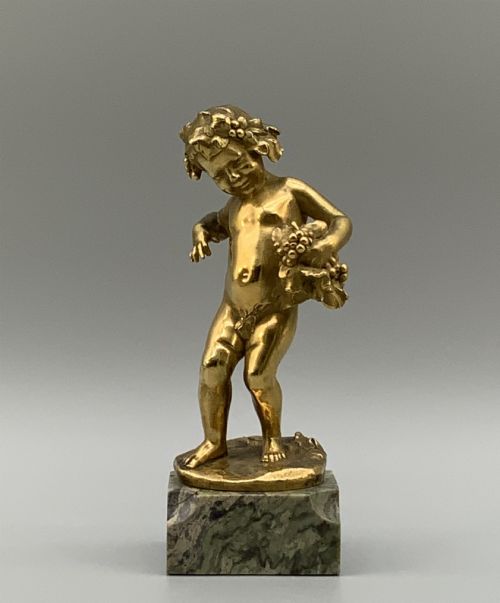
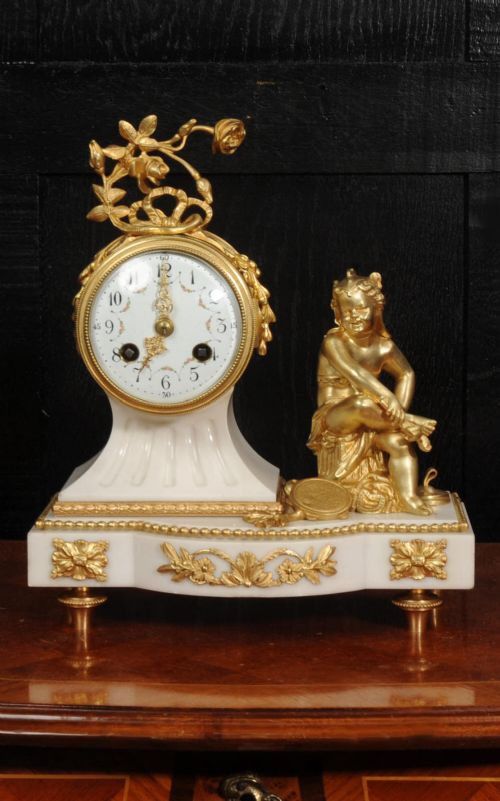
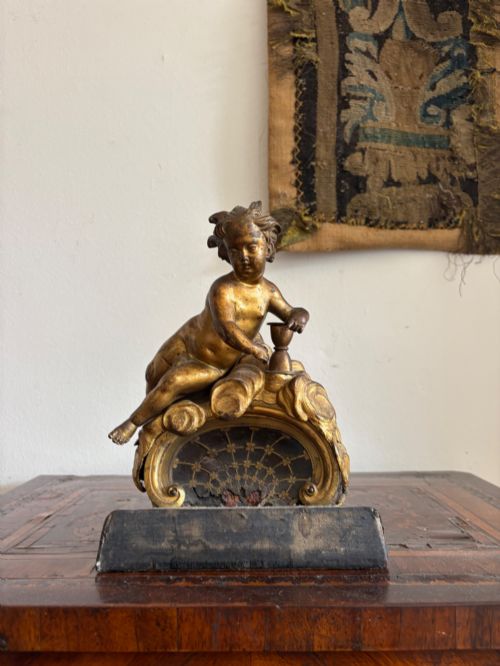
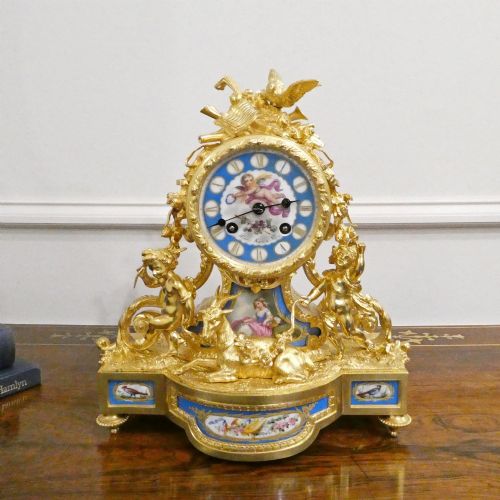
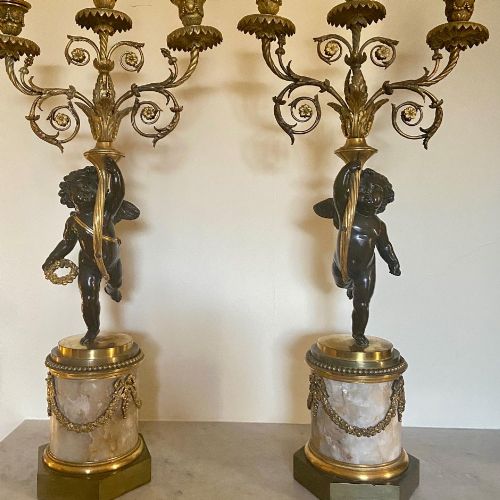
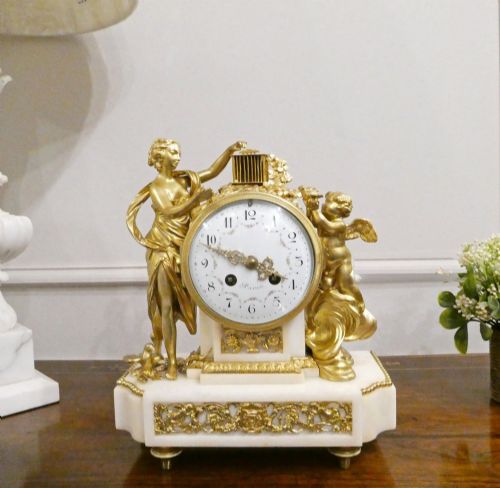
When searching for an antique gold cherub, buyers encounter ornamental bronze, brass and giltwood items spanning the eighteenth, nineteenth and early twentieth centuries. These pieces typically take the form of French mantel clocks, wall lights, candelabra and chandeliers decorated with winged putti or infant figures.
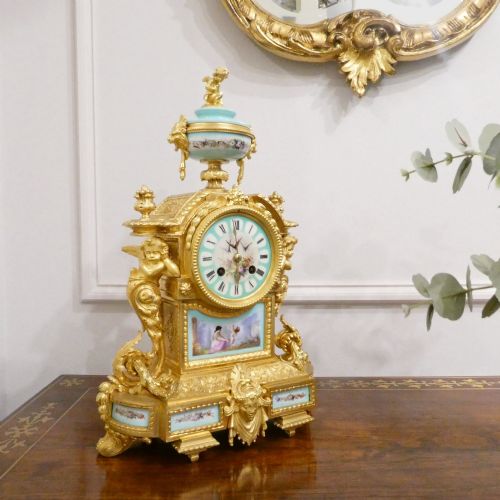
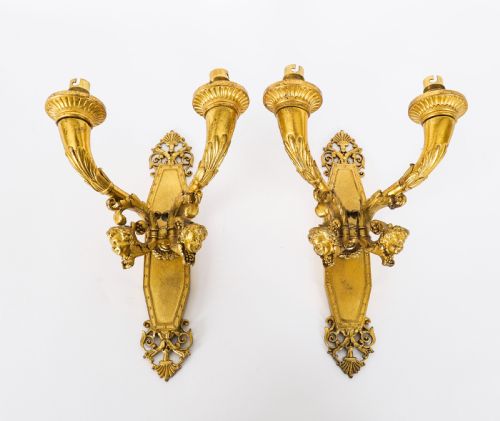
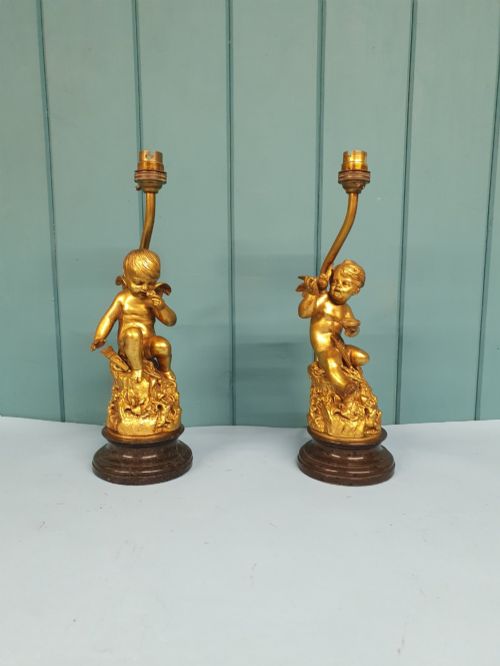
The version most frequently met on this page is the nineteenth-century French or Italian gilt bronze wall light, often paired as a matching set to flank a mirror or fireplace. Alongside these wall fixtures sit heavy ormolu mantel clocks and table lamps that incorporate cast cherubs into their mounts and bases.
How they were made
The makers of these items utilised traditional lost-wax casting for bronze and brass figures, applying gold leaf, mercury gilding or ormolu to create a lasting metallic sheen. Ormolu involves the application of a finely ground mercury and gold amalgam to a bronze base, which is then fired to leave a rich golden layer.
Carved pieces rely on seasoned timber finished with gilding or gesso, while mounted items often combine white or coloured marble with cast metal elements. Cut glass and crystal components are frequently suspended from the gilt frames to catch and reflect the light.
One particularly heavy nineteenth-century doorstop combines a winged cherub with leaping dolphins.
What varies in quality
The crispness of the chased detail on the cast bronze separates superior examples from mass-produced later castings, as master founders hand-tooled the metal after it left the mould to define hair, feathers and facial expressions. Softer, blurred contours indicate a secondary casting or excessive wear during the finishing stage.
Substantial weight and the integration of high-grade materials such as genuine white marble, heavy ormolu and hand-cut crystal mark out pieces made for high-end European interiors. Lighter brass alloys and simpler stamped mountings denote commercial production intended for broader domestic markets.
Henry Marc·Japy Freres·Henry Dasson·Susse Freres
The Antique Gold Cherub Glossary
- Ormolu
- A gilded bronze technique popular in French decorative arts where finely ground gold is applied to a base metal using mercury. This process creates a deep and durable golden lustre.
- Putto
- A plump, naked male infant figure frequently depicted in classical and Renaissance art. In later decorative metalwork, these figures often take on the appearance of winged cherubs.
- Garniture
- A set of three or more matching ornamental objects designed to be displayed together on a mantelpiece or sideboard, typically comprising a clock flanked by candelabra or vases.
- Champlevé
- An enamelling technique where troughs are dug into a metal surface and filled with vitreous enamel powder before firing. The resulting coloured sections sit flush with the surrounding metal lines.
Antique Gold Cherub: Frequently Asked Questions
What is an antique gold cherub clock?
These decorative timepieces feature cast bronze or ormolu figures of winged putti seated beside or atop the clock case. They were created primarily in France during the nineteenth century to adorn grand mantelpieces.
Mechanisms usually include an eight-day movement requiring a key for winding. The combination of functional horology and sculptural ornament made them central pieces in period drawing rooms.
How do I clean gilt bronze?
Dusting gently with a dry, soft brush is the safest method for maintaining gilded surfaces. Avoid commercial metal polishes, as abrasive compounds will strip away the delicate gold layer.
Moisture should also be kept away from the metal to prevent corrosion beneath the gilding. Professional conservation is recommended for deep cleaning.
Are these pieces French or Italian?
Many of the gilt bronze and ormolu items originate from Parisian workshops following Louis XIV, Louis XVI or Rococo revival styles. These French pieces are distinguished by their fine chasing and rich mercury gilding.
Italian makers also produced substantial bronze garnitures and wall lights, often inspired by Grand Tour travels and classical antiquities. Regional casting techniques help differentiate the two origins.
How were wall lights used?
Cherub wall lights, or sconces, were mounted in pairs or sets beside mirrors, doors and fireplaces to amplify candlelight in evening rooms. The reflective gilt surfaces helped bounce ambient light across the interior.
Later examples from the twentieth century were frequently adapted to run on electricity while retaining their original brass or bronze brackets.