





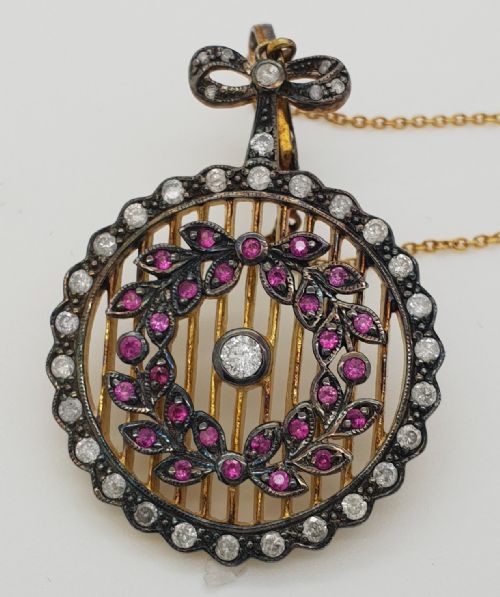

Antique Gold Bow Pendant
An antique gold bow pendant captures grace in metal, tying together centuries of craftsmanship and sentimental charm for the modern collector.
Antique Gold Bow Pendant
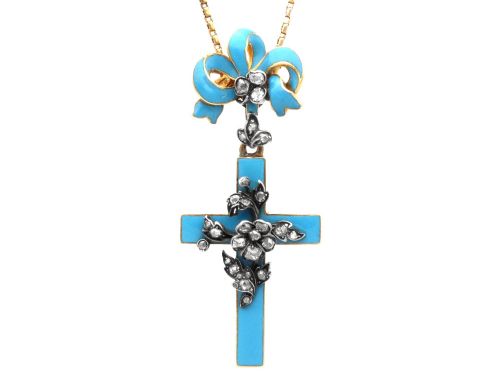
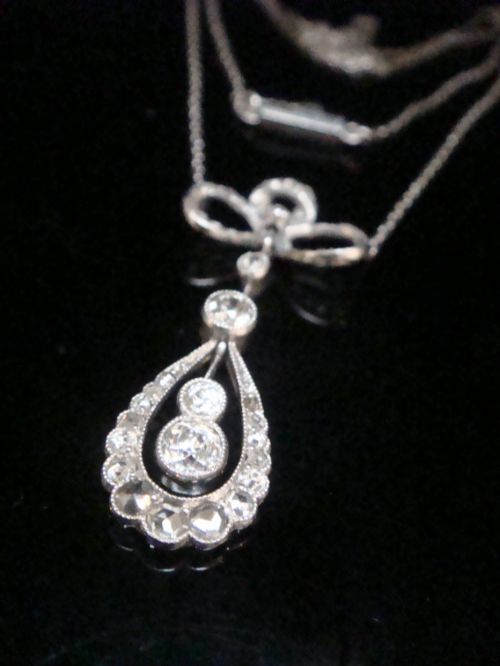
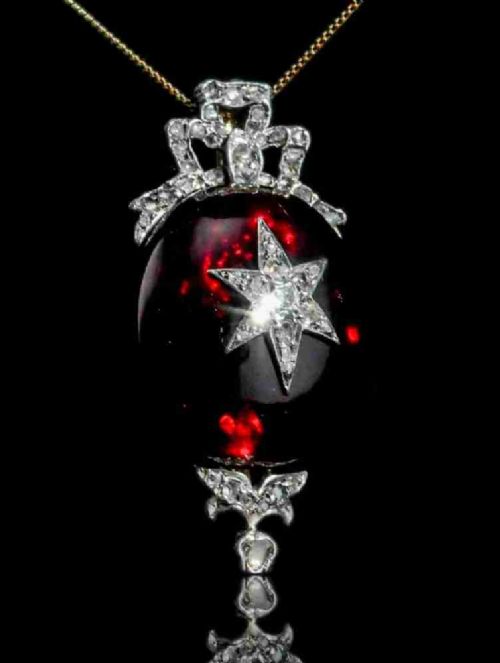
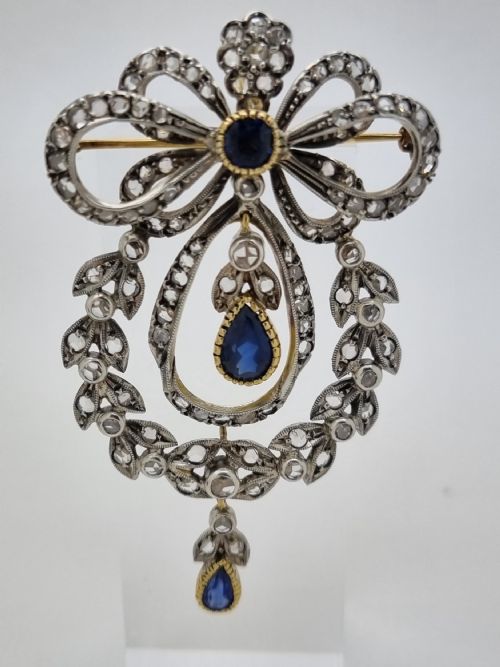
An antique gold bow pendant is a piece of jewellery fashioned into the shape of a ribbon knot, rendered in gold and often set with precious gems. When searching for this phrase, a buyer encounters designs originating primarily from the Victorian and Edwardian eras, alongside occasional mid-century interpretations.
The pieces appearing on this page take various forms, including versatile pendant brooches, fitted necklaces, and locket combinations. Edwardian iterations frequently incorporate white gold or silver-topped gold set with diamonds, while Victorian examples lean towards yellow gold paired with rubies, sapphires, garnets, or pearls.
Many of these items served dual purposes as both brooches and pendants, reflecting the flexible ornamentation favoured in past centuries. The ribbon motif itself ranges from simple, tailored loops to elaborate configurations featuring trailing ends and gemstone drops.
How they were made
Maker's workshops utilised traditional goldsmithing techniques, casting and hand-fabricating gold into intricate ribbon folds. Metals such as 18ct gold, 9ct gold, and silver-topped gold provided the structural foundation for these delicate forms.
Gemstones including diamonds, pearls, rubies, and sapphires were hand-set using early bezel, collet, or pave methods appropriate to the Victorian and Edwardian periods. Jewelers integrated natural pearls and rose-cut or old-cut diamonds to accent the metallic contours of the bow.
Antique Gold Bow Pendant Retail Price Guide 2026
Typical asking prices for gold bow pendant among the pieces listed under this phrase on Sellingantiques today, from the lower quarter to the upper quarter. They describe what is for sale here now, not the wider market.
What varies in quality
The standard of an antique gold bow pendant rests on the crispness of the ribbon's modelling and the integration of its gemstones. Superior examples display fluid, dimensional folds in the metal rather than flat, rigid stampings, showing deliberate hand-finishing by the jeweller.
Gemstone selection and secure setting techniques further distinguish the pieces. Higher grade items feature well-matched natural pearls and bright, well-proportioned diamonds or coloured stones that complement the scale of the gold bow without overwhelming its design.
The Antique Gold Bow Pendant Glossary
- Pendant brooch
- A dual-purpose jewellery item fitted with both a loop for a chain and a pin finding on the reverse, allowing it to be worn on clothing or around the neck.
- Old-cut diamond
- A diamond cut by hand before modern machinery, typically characterised by a small table, high crown, and open culet that produces a softer, candlelit sparkle.
- Silver-topped gold
- A manufacturing technique popular in the nineteenth century where a thin layer of silver is soldered to a gold backing, allowing white metal to hold gemstones while gold maintains structural strength.
- Natural pearl
- A pearl formed organically within an oyster without human intervention, prized in antique jewellery for its organic lustre and rarity compared to cultured alternatives.
- Rose-cut diamond
- A gemstone cut with a flat base and a domed crown faceted into triangles, resembling an unopened rosebud.
Antique Gold Bow Pendant: Frequently Asked Questions
How do I wear a pendant brooch?
A pendant brooch offers versatile styling options through its integrated pin and suspension loop. You can thread it onto a fine gold chain to wear as a traditional necklace.
Alternatively, secure the pin fastening to the lapel of a jacket or the fabric of a dress, tucking the chain away if desired.
How do I tell Edwardian pieces apart from Victorian ones?
Edwardian jewellery frequently utilises white gold, platinum, or silver-topped gold combined with diamonds to create light, lace-like aesthetics. The focus rests heavily on delicate openwork and monochromatic palettes.
Victorian pieces more commonly feature warm yellow or rose gold settings, often incorporating colourful gemstones such as garnets, emeralds, rubies, and turquoise alongside substantial gold weights.
Are these pieces suitable for daily wear?
Antique jewellery requires gentle treatment due to its age and historical construction methods. While sturdy gold can withstand regular use, delicate settings like closed-back foils or natural pearls demand care.
Remove your jewellery before swimming, exercising, or applying cosmetics to protect the metal and fragile gem attachments from unnecessary wear.
What is silver-topped gold?
Silver-topped gold is a historic manufacturing method where jewellers soldered a thin sheet of silver onto the front of a gold piece. This allowed them to set diamonds against a white metal surface.
The underlying gold provided the necessary structural strength and prevented silver tarnish from touching the wearer's skin or clothing.