





Antique Gold Anchor
These antique gold anchor pieces range from soft-paste porcelain figurines to marine oil paintings, offering maritime history and fine craftsmanship for your home.
Antique Gold Anchor
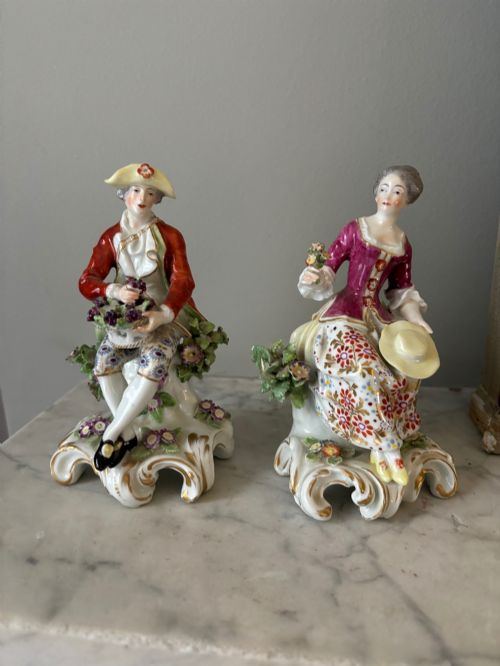
When you search for antique gold anchor, you encounter a varied selection of items spanning the eighteenth and nineteenth centuries. These pieces primarily include porcelain figures, decorative plates, brooches, and marine oil paintings.
The most likely versions to meet on this page are eighteenth-century porcelain figurines bearing the characteristic gold anchor mark, alongside nineteenth-century marine oil portraits and nautical decorative objects.
Originating from periods such as the Georgian and Edwardian eras, these items reflect both maritime themes and historical craftsmanship in materials like soft-paste porcelain and gilt brass.
How they were made
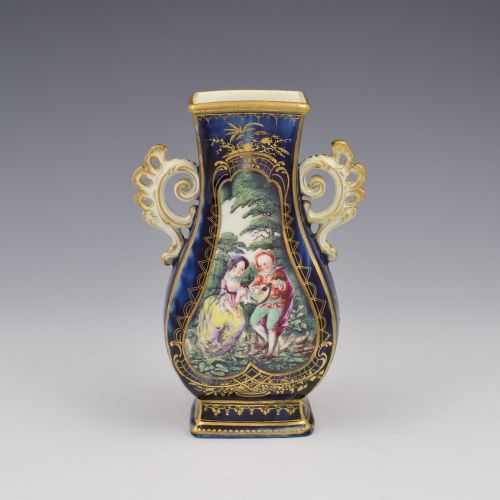
Porcelain items such as figurines and vases utilise soft-paste porcelain, painted in pastel hues and finished with the distinct gold anchor mark. Makers shaped these delicate forms during the eighteenth century.
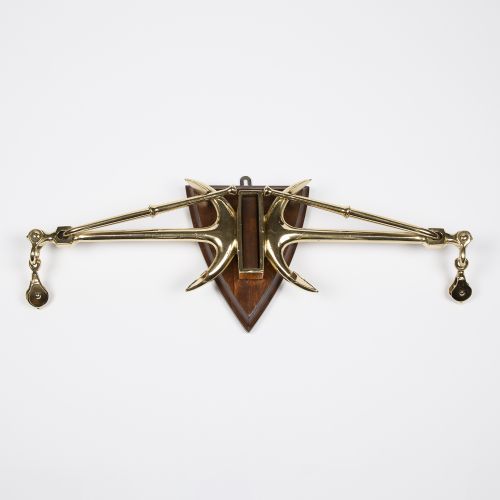
Paintings employ oil on panel to capture marine subjects like galleon warships, while metal objects use brass and gilt for door knockers and nautical desk clocks.
Antique Gold Anchor Retail Price Guide 2026
Typical asking prices for gold anchor among the pieces listed under this phrase on Sellingantiques today, from the lower quarter to the upper quarter. They describe what is for sale here now, not the wider market.
Listings feature items from the eighteenth and nineteenth centuries, including soft-paste porcelain, oil on panel, and brass.
What varies in quality
The distinction between different tiers lies in the fineness of the painting and the precision of the modelling on porcelain figures. Early examples display detailed pastel hues and careful application of the gold anchor mark.
Materials also divide the selection, where hand-painted porcelain and oil panels demonstrate higher artistry compared to standard brass or industrial items.
Edme Sampsom·Chelsea Porcelain·Bow·Wedgwood
The Antique Gold Anchor Glossary
- Gold anchor mark
- A small painted symbol used by specific eighteenth-century porcelain factories to identify their production period.
- Soft-paste porcelain
- A ceramic material composed of clay and glass frit, fired at lower temperatures than hard-paste porcelain.
- Rococo
- An ornate artistic style characterised by asymmetry, curves, and natural motifs, visible in eighteenth-century pieces.
- Oil on panel
- A painting technique where pigment mixed with oil is applied to a wooden support rather than canvas.
Antique Gold Anchor: Frequently Asked Questions
What is the gold anchor mark?
The gold anchor mark is a small symbol applied to the base of certain eighteenth-century English porcelain pieces. It signifies production from specific factories during a defined period of high quality output.
Collectors look for this mark to date and authenticate figures and vases from manufacturers such as Chelsea and Bow.
How should I display porcelain figurines?
Porcelain figurines and vases benefit from stable placement inside enclosed cabinets away from direct sunlight. This protects the delicate soft-paste ceramic and painted surface from damage.
Ensure the display shelf supports the weight firmly and experiences minimal vibration from foot traffic.
What subjects appear in marine paintings?
Marine paintings from this category depict historical vessels such as galleon warships anchored off coastal harbours. These works record maritime scenes using oil on panel.
Artists focused on naval architecture and coastal topography typical of nineteenth-century maritime art.