



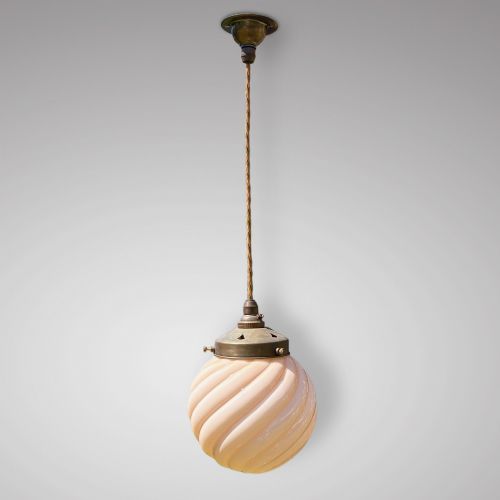


Antique Globe Shade Lamp
These antique globe shade lamp pieces combine spherical glass diffusers with period metal bases, offering both functional illumination and decorative presence.
Antique Globe Shade Lamp
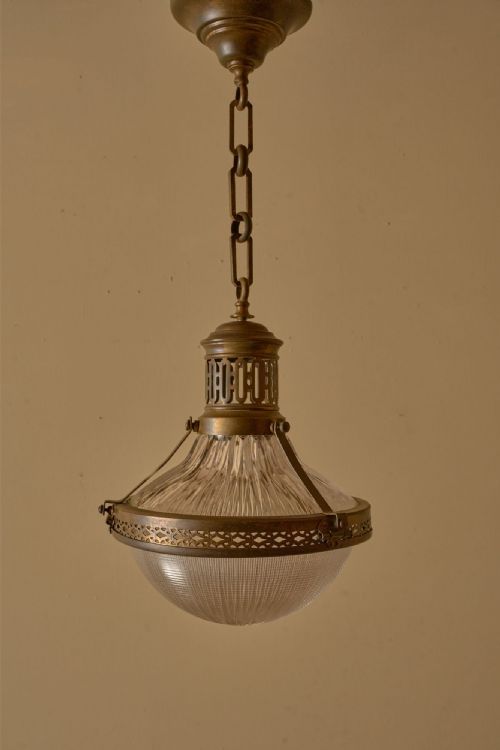
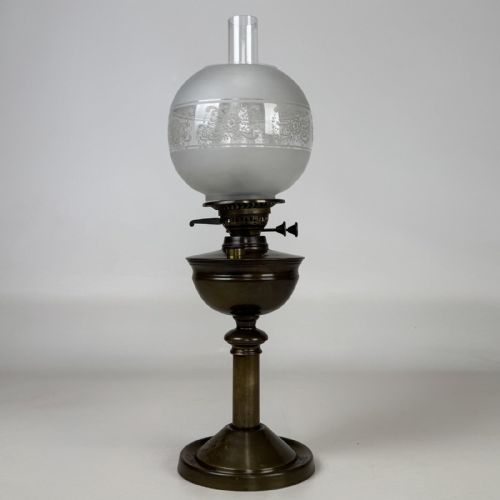
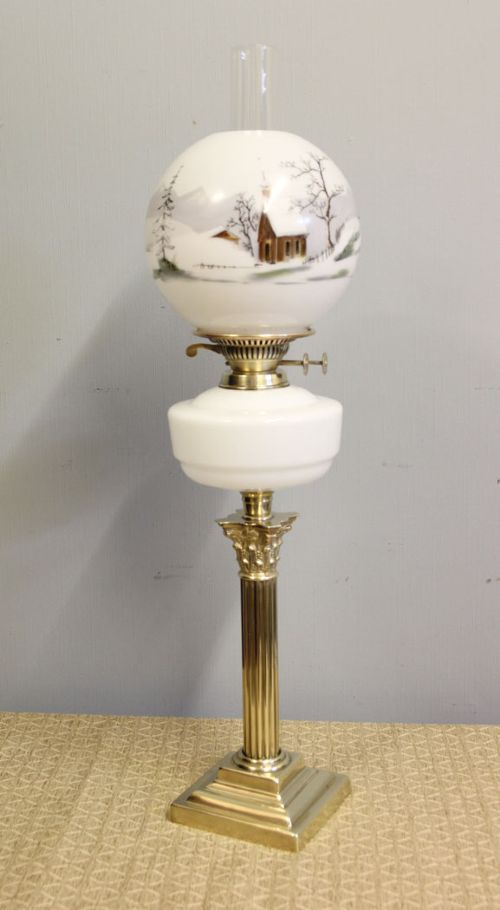
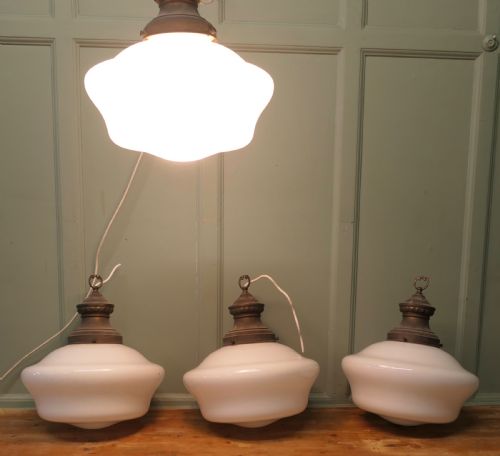
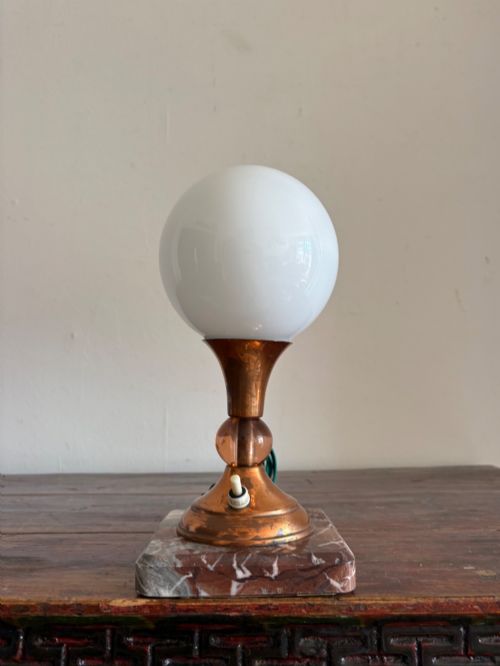
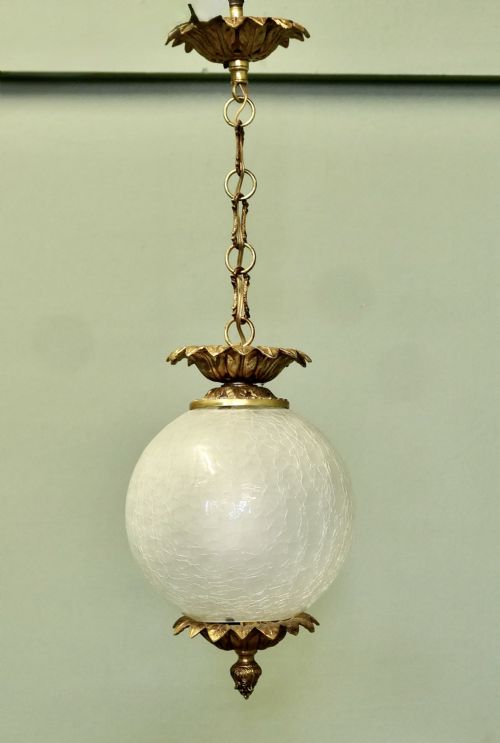
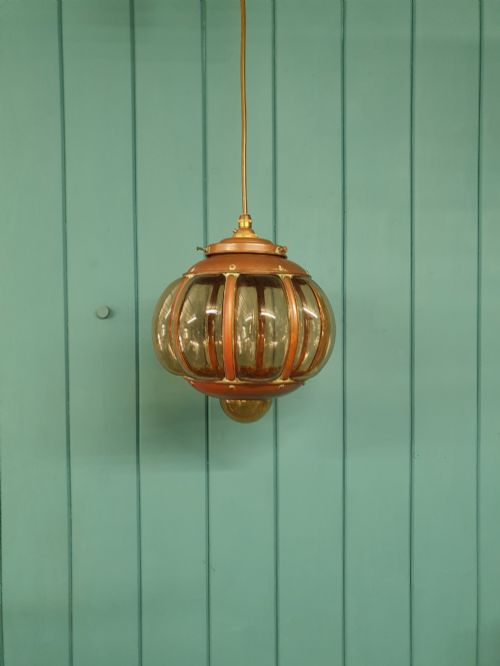
When you search for an antique globe shade lamp, you encounter a mix of domestic lighting forms spanning the Victorian era through the Art Deco period. The inventory ranges from upright brass and marble oil lamps topped with spherical glass shades to suspended pendant lights and ceiling fixtures.
The version you are most likely to meet on this page is the oil lamp fitted with an opaline or frosted glass globe, alongside early twentieth-century pendant globes. These pieces originate from British, French, and Scandinavian workshops operating between the late nineteenth century and nineteen-thirty.
Judging quality and character
Quality rests in the weight of the metal components and the depth of colour within the glass globes. Heavier brass castings and finely etched or cased glass indicate superior craftsmanship.
The integration between the glass shade and the metal gallery dictates visual balance. Pieces retaining their original matching fonts and globes command greater appreciation than assembled alternatives.
Antique Globe Shade Lamp Retail Price Guide 2026
Typical asking prices for globe shade lamp among the pieces listed under this phrase on Sellingantiques today, from the lower quarter to the upper quarter. They describe what is for sale here now, not the wider market.
The listings span the Victorian era through the Art Deco period, utilising brass, marble, and opaline glass.
Hinks of Birmingham·Perry And Co·Messengers·Harrods·Émile-Jacques Ruhlmann
The Antique Globe Shade Lamp Glossary
- Opaline glass
- A semi-opaque milky white glass developed to soften glare while transmitting a diffused glow. It appears frequently in period lighting globes.
- Font
- The oil reservoir section situated beneath the burner and above the main stand. In period pieces, this container is often coloured glass.
- Gallery
- The metal ring or collar designed to hold a glass shade securely in position above the light source. It grips the lower fitter rim of the globe.
- Prismatic glass
- Pressed glass patterned with precise geometric facets designed to refract and direct light efficiently. This technique appears in industrial and commercial lighting.
Antique Globe Shade Lamp: Frequently Asked Questions
How do I date an antique globe shade lamp?
Dating relies upon examining the manufacturing techniques of both the metal stand and the glass shade. Victorian examples often feature heavy brass castings and hand-etched glass, while Art Deco pieces incorporate geometric lines and opaline or alabaster elements.
Maker marks stamped onto the brass burner mechanisms or metal galleries provide definitive manufacturing attribution when present.
Were these lamps originally for oil or electricity?
Many early pieces began as oil or paraffin burning lamps featuring glass fonts and specialised burners. These items frequently undergo conversion to electricity for modern domestic use.
Pendant and ceiling globes from the early twentieth century were designed primarily for early electric illumination from their creation.
How do I clean an antique glass globe?
Cleaning requires warm water and mild soap applied gently with a soft cloth. Harsh chemical cleaners can damage historical etched surfaces, flash colours, or fragile gilt highlights.
Removing the globe from its brass gallery ensures safe handling during maintenance.
What glass colours are typical for these lamps?
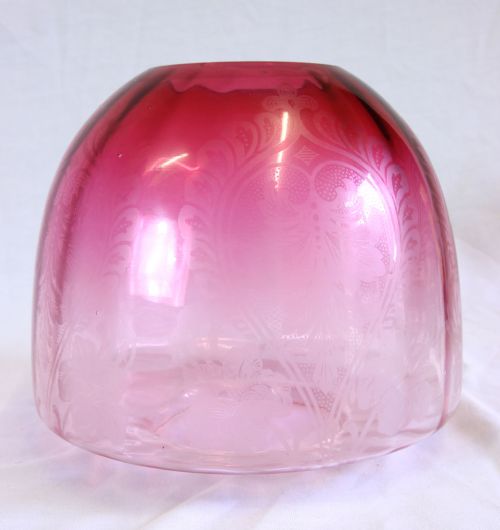
Victorian and Edwardian pieces frequently showcase cranberry, vaseline, pale green, and opaque white opaline glass. These colours were chosen to create warm atmospheric lighting.
Later twentieth-century designs often lean towards plain frosted, moonstone, or clear prismatic glass.