



Antique Glazed Frame
An antique glazed frame brings protection and focus to delicate paper, textiles, and specimens.
Antique Glazed Frame
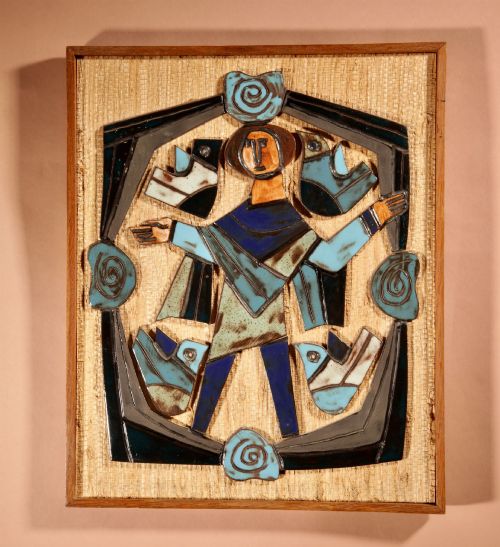
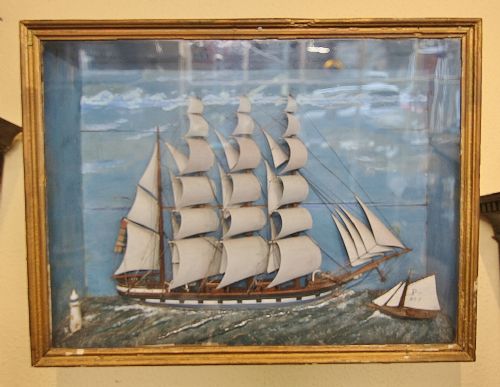
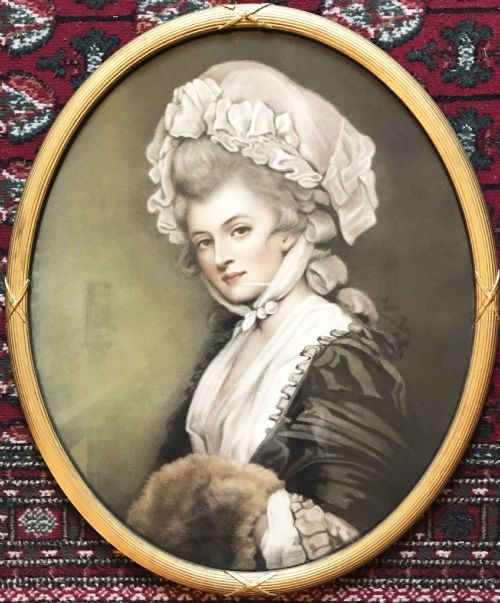
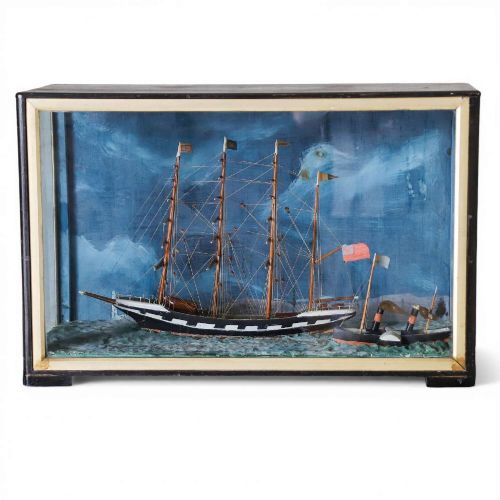
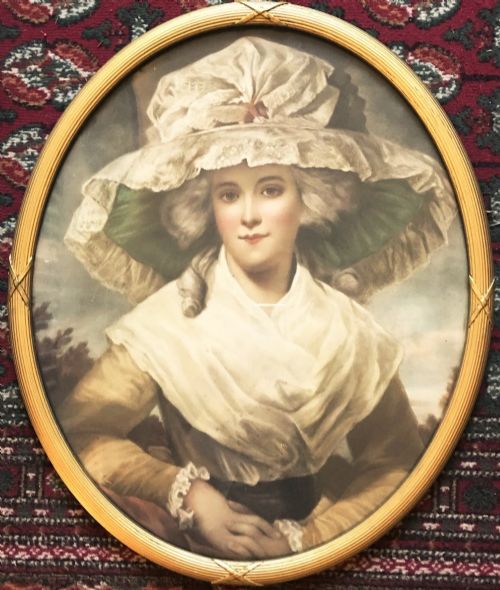
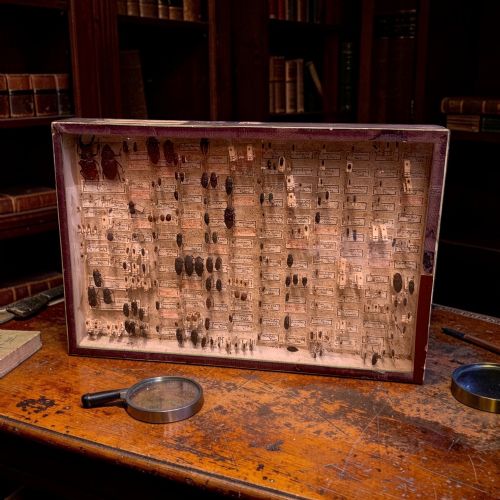
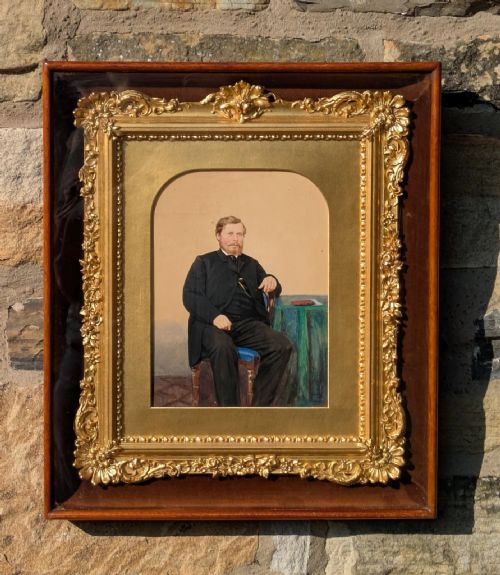
When you search for an antique glazed frame, you encounter enclosures designed to hold and protect wall art, prints, and three-dimensional displays. These pieces range from simple wooden surrounds holding Victorian portraits to deep cases built for taxidermy and dioramas.
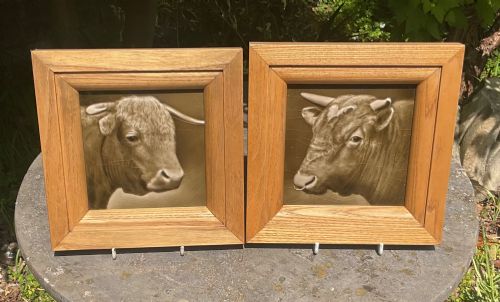
The selections on this page span the nineteenth century through the Art Deco era, encompassing Edwardian needlework, Dutch tiles, and botanical pressings. Many examples integrate glass with wood, brass, or gilt frames to house delicate paper, textiles, or ceramics securely.
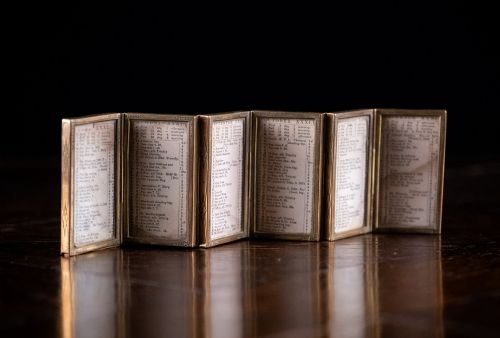
Beyond standard picture surrounds, this category includes specialised enclosures such as tabletop display cabinets, barographs, and deep shadow boxes. Each variant serves to shield organic specimens, documents, or artefacts from dust and handling.
Materials and construction methods
Makers constructed these enclosures primarily using timber frames of mahogany, oak, walnut, or gilt wood, often joined at the corners with traditional mitres and pinned joints. Glazing relies on early window glass secured with wooden glazing beads, putty, or metal channels.
Interior mounts frequently incorporate velvet, painted paper, or card to support items like portrait prints, miniatures, and pressed flowers. Deeper shadow boxes and taxidermy cases utilise internal wooden bracing to hold heavy specimens and dioramas safely away from the glass.
Antique Glazed Frame Retail Price Guide 2026
Typical asking prices for glazed frame among the pieces listed under this phrase on Sellingantiques today, from the lower quarter to the upper quarter. They describe what is for sale here now, not the wider market.
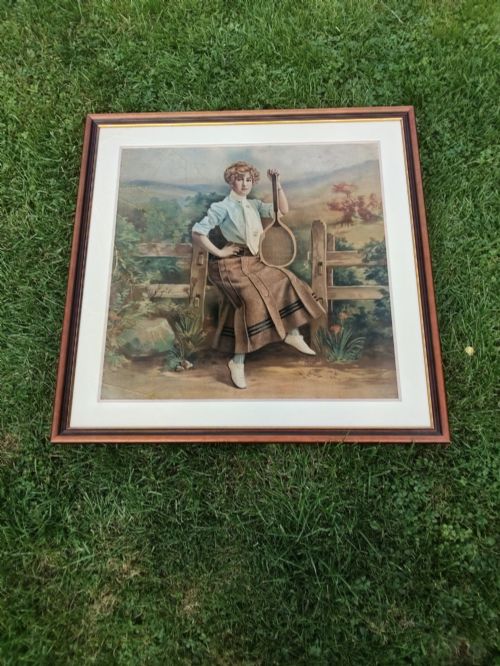
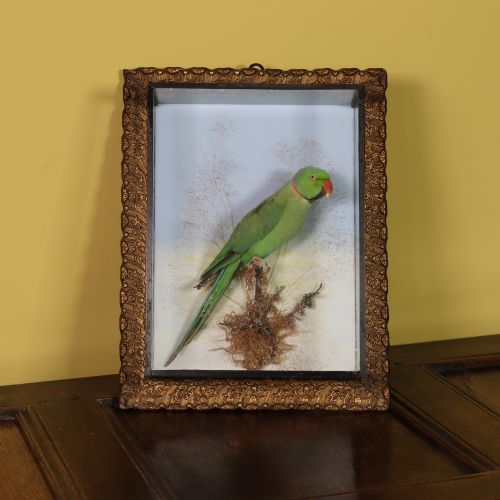
Several glazed enclosures on this page contain unexpected residents, from tennis-playing ladies to parakeets and cheetahs.
Assessing quality in glazed enclosures
Quality rests in the harmony between the enclosure and its contents, where fine timber mouldings, crisp gilding, and original glass complement the object within. Superior examples display careful joinery that has remained stable through changing humidity.
The preservation of the interior lining, whether velvet, paper, or painted wood, dictates the integrity of the piece. Finer versions retain their original backboards, seals, and hanging hardware without modern replacements.
William Bazeley & Sons·Sherwin and Cotton·Eman Bowen
The Antique Glazed Frame Glossary
- Glazing
- The glass panes fitted into a frame to protect the artwork or object inside. Early glass often exhibits small bubbles and slight waviness.
- Shadow box
- A deep glazed frame designed to hold three-dimensional objects, such as dioramas, taxidermy, or curiosities. It creates physical distance between the display item and the glass.
- Gilt wood
- Wood coated with a thin layer of gold leaf or metallic paint over a prepared gesso base. This finish is common on nineteenth-century decorative frames.
- Bijouterie table
- A glass-topped display table with a glazed compartment beneath the surface for showing small valuables and accessories. These pieces often feature mahogany or walnut frames.
- Diorama
- A three-dimensional scene, frequently depicting ships or maritime subjects, enclosed within a glazed case. These are built using painted backgrounds and physical model elements.
Antique Glazed Frame: Frequently Asked Questions
How do I clean the glass safely?
Use a soft microfiber cloth and a mild glass cleaner applied to the cloth rather than directly onto the frame. This prevents liquid from seeping past old putty or wood joints into the interior.
Keep moisture away from any exposed timber, velvet mounts, or paper contents. Older glass is often thinner and more fragile than modern panes, so apply minimal pressure while wiping.
Can I replace broken glass in an old frame?
Replacement is possible, though sourcing period glass with appropriate bubbles and imperfections helps maintain the historical character of the piece. Many collectors prefer to retain authentic antique glass whenever feasible.
Take measurements of the rebate depth and thickness before fitting new panes. A professional framer can assist in securing the glass without damaging fragile antique wood or mouldings.
How should I hang a heavy glazed case?
Verify the strength of the original hanging hardware attached to the back of the frame before mounting. Heavy shadow boxes and taxidermy cases require robust wall anchors or direct fixing into wall studs.
Distribute the weight evenly using dual brackets or picture wire rated well above the object's mass. Check the stability of the corner joints periodically to ensure the frame supports the load.
What causes the velvet mount to fade?
Direct sunlight breaks down the dyes in vintage velvet and paper over time, leading to noticeable fading and discoloration. Ultraviolet rays also weaken old textile fibres and paper structures.
Position these pieces away from windows or use specialised UV-filtering museum glass if placement in natural light is unavoidable. Controlled ambient lighting preserves the original tones of the interior mounts.