

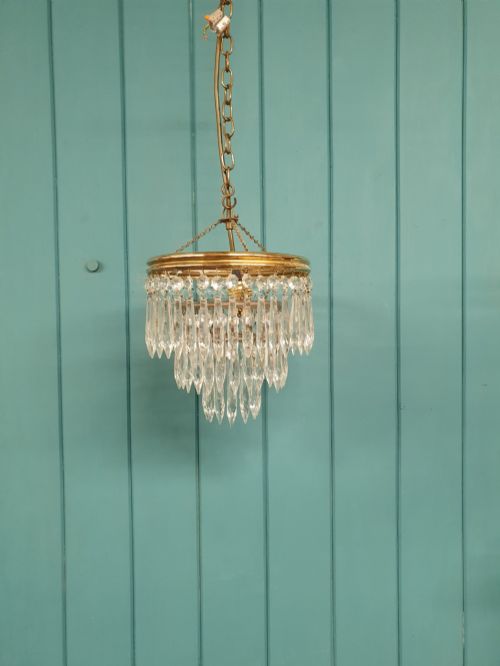


Antique Glass Spike Light
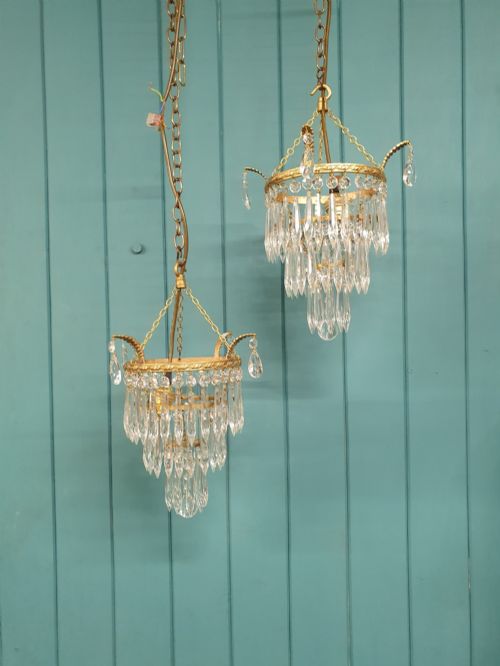
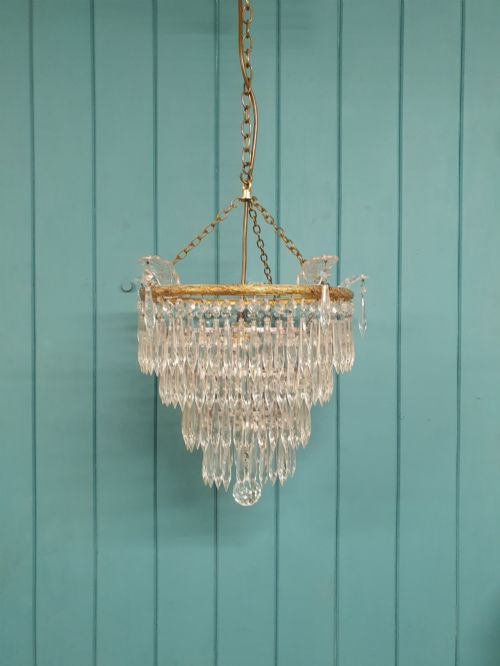
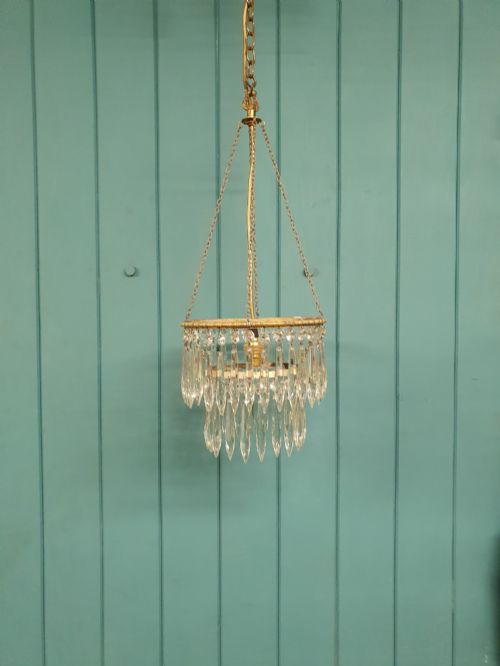
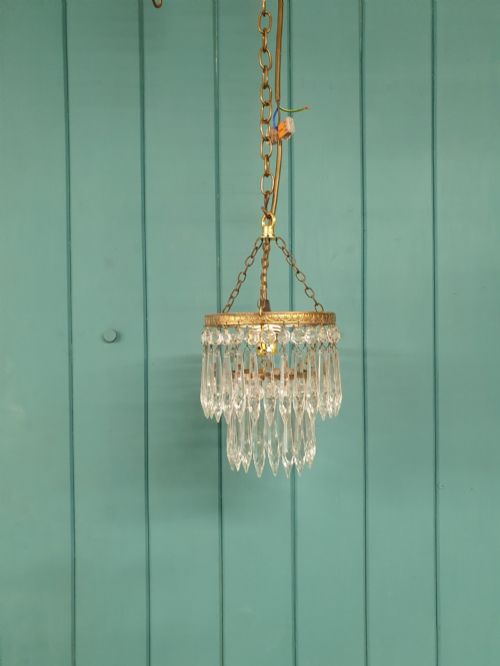
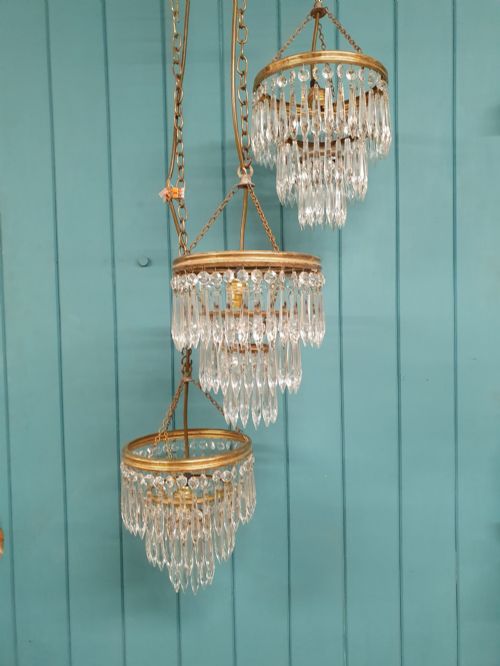
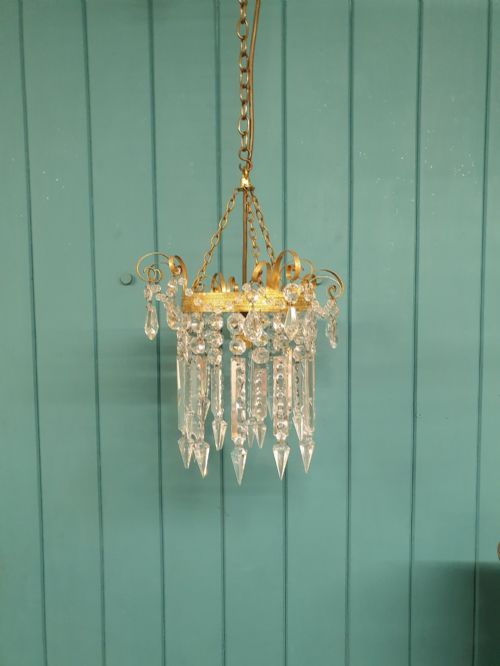
An antique glass spike light brings dramatic period illumination to a room, featuring distinct glass drops suspended from brass, spelter, or gilt metal frames.
Antique Glass Spike Light
An antique glass spike light comprises hanging light fixtures defined by prominent downward glass spikes, often arranged as chandeliers, pendant lights, or wall lights. These decorative fittings appear across Edwardian and 1930 periods, showing influences ranging from French Rococo Revival to Mid-Century Modern styles.
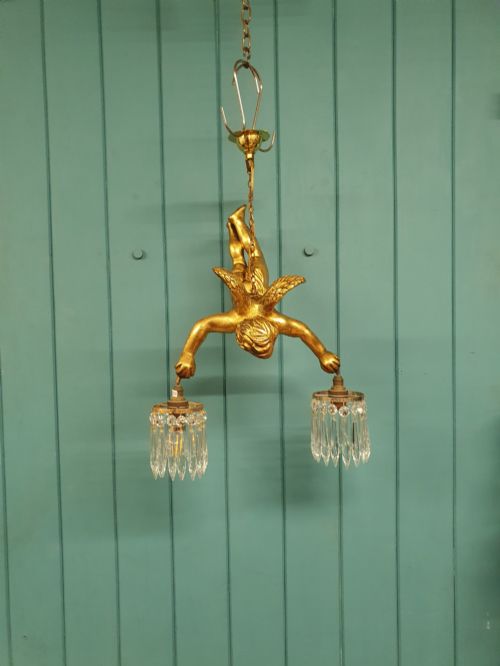
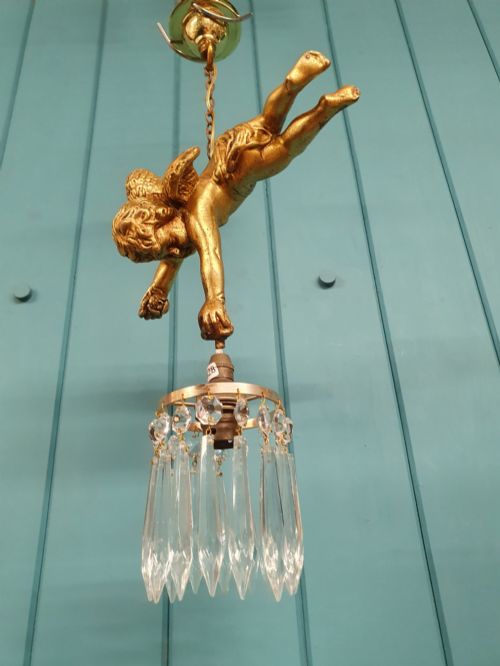
The most common examples on this page are small to medium-sized brass and cut glass crystal spike chandeliers dating from the Edwardian era and the 1930s. Buyers also encounter pairings, wall lights fitted with mirror backs, and ornate variations incorporating flying cherubs or swags.
Materials and construction methods
Makers constructed these lighting fixtures using metal frames of brass, gilt metal, or spelter to support the weight of glass and crystal components. Metal components frequently feature cast ornamentation like cherubs or decorative finials.
The decorative impact relies heavily on cut glass, crystal glass, and mirror glass elements. Cut glass spikes and crystal drops refract light outwards, while mirror backs on wall light variants multiply the illumination within the room.
Antique Glass Spike Light Retail Price Guide 2026
Typical asking prices for glass spike light among the pieces listed under this phrase on Sellingantiques today, from the lower quarter to the upper quarter. They describe what is for sale here now, not the wider market.
Listings feature items dated to the Edwardian era and 1930, constructed from brass, spelter, and gilt metal paired with cut glass and mirror glass.
Distinctions in quality and execution
Quality separates fixtures by the complexity of their glass cutting and the weight of their metalwork. Finely faceted crystal spikes catch and disperse light with greater brilliance than simpler moulded glass counterparts.
The sophistication of the supporting frame dictates the overall tier of the piece. Cast spelter or heavy brass frameworks featuring detailed cherubs, swags, or integrated mirror backs indicate more ambitious workshop production than plain structural mounts.
The Antique Glass Spike Light Glossary
- Spike chandelier
- A hanging lighting fixture characterised by downward-pointing glass or crystal spikes arranged around the body. These projections create a distinct silhouette typical of early 20th century decorative lighting.
- Spelter
- A zinc alloy frequently utilised as a substitute for bronze or brass in decorative metalwork. It was often painted or gilt to resemble more costly metals on Edwardian light fittings.
- Swag
- A decorative chain or garland of glass drops draped across the upper portion of a chandelier. This element adds textural layering to the profile of the light.
- Mirror back
- A reflective glass panel set behind a wall light to amplify illumination. It bounces candle or electric light back into the room through the glass spikes.
Antique Glass Spike Light: Frequently Asked Questions
How do I hang a spike chandelier?
These fixtures suspend from ceilings using standard wiring and hanging chains appropriate for their weight. Professional installation ensures the brass or gilt metal frame secures safely.
Consider the drop height relative to your ceiling clearance so the glass spikes remain safely positioned above normal activity.
What periods do these lights represent?
The listings span Edwardian designs and pieces from around 1930, capturing early 20th century tastes. Styles include French Rococo Revival, French Chateau, and French Regency influences.
Manufacturing approaches from these decades combined traditional brass casting with cut crystal components.
Where do spike wall lights work best?
Spike wall lights with mirror backs suit hallways, alcoves, or flanking fireplaces where reflected light enhances narrow spaces. The mirror glass amplifies the sparkle of the hanging crystal.
Pairing them creates symmetrical illumination in formal living spaces or bedrooms.
How do I clean cut glass spikes?
Careful cleaning involves removing delicate crystal and glass elements for gentle washing in warm soapy water. Metal frames require targeted dusting to protect brass and gilt finishes.
Avoiding harsh chemical cleaners preserves the historic surface patination on the metal components.