



Antique Glass Smell Bottle
An antique glass smell bottle is a pocket companion for volatile salts and perfumes, prized for its coloured body and silver mounts.
Antique Glass Smell Bottle
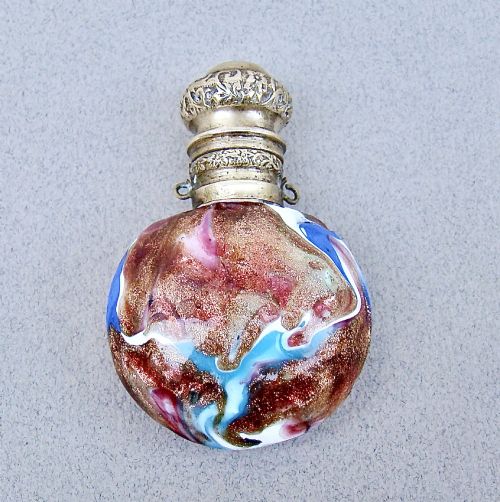
An antique glass smell bottle is a small personal container designed for holding perfumes or aromatic vinegars. These pieces span the Georgian, Victorian, and Edwardian periods, showcasing the shifts in social habits and personal adornment.
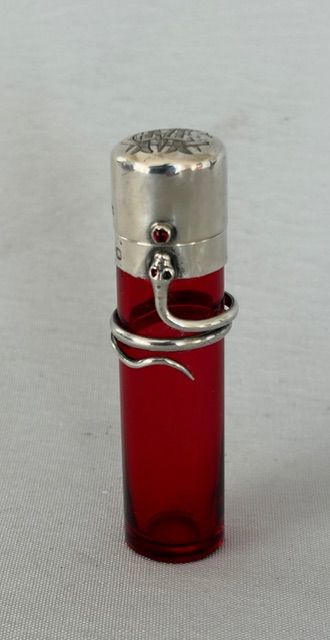
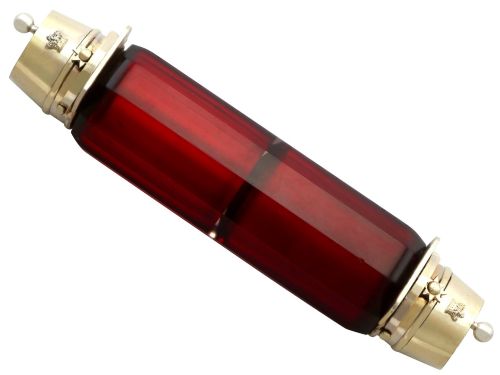
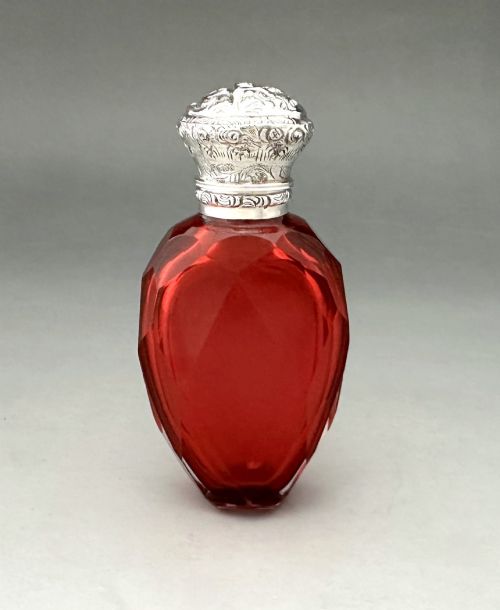
The selections available here lean heavily toward Victorian examples, featuring vibrant cranberry, ruby, and opaline glass paired with sterling silver mounts. Formats range from simple pocket flasks to chatelaine attachments and double-ended designs.
How they were made
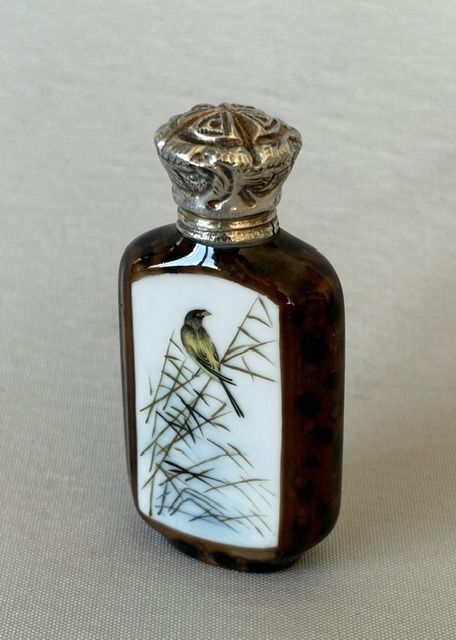
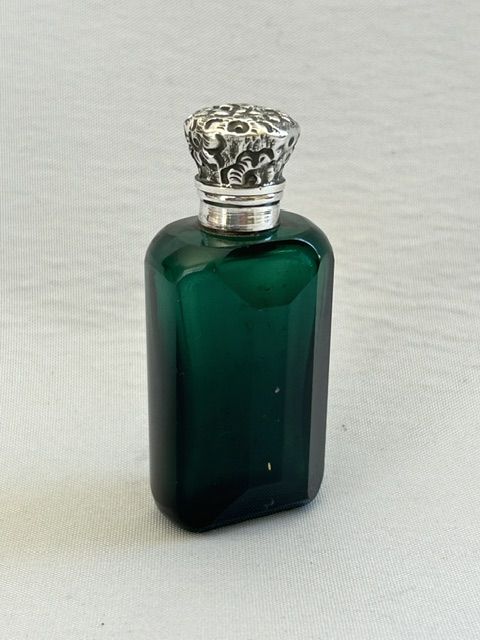
Makers combined blown or cut glass vessels with hallmarked sterling silver mounts, screw caps, or hinged lids. Cranberry, ruby, and Bristol green glass dominate the palette, alongside opaline and amethyst variants.
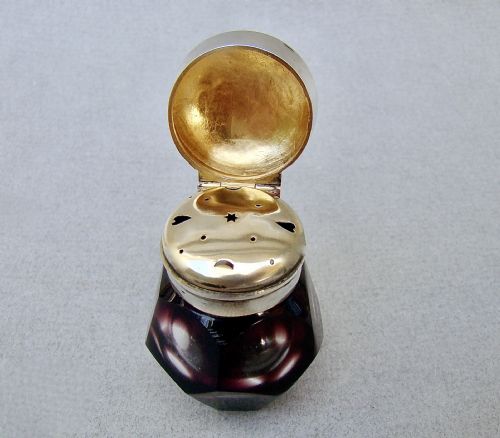
Techniques included complex overlay glass, enamel painting, and specialist murrine work. Silversmiths worked metal caps and collars to secure the glass necks, sometimes incorporating vinaigrette grilles inside.
Antique Glass Smell Bottle Retail Price Guide 2026
Typical asking prices for glass smell bottle among the pieces listed under this phrase on Sellingantiques today, from the lower quarter to the upper quarter. They describe what is for sale here now, not the wider market.
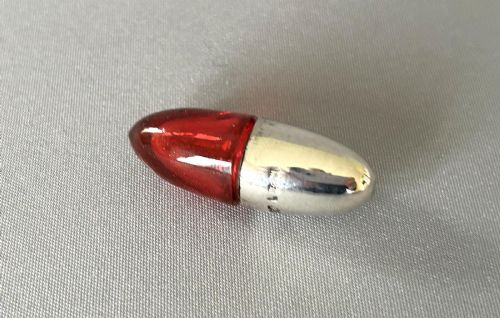
Makers fashioned these glass bottles into bullets and champagne flasks, ensuring Victorian practicality met secret luxury.
What varies in quality
Quality rests on the depth of the glass colour, the precision of the cut or overlay work, and the weight of the silver. Finer pieces demonstrate crisp hallmarks, tight-fitting hinged lids, and undamaged glass interiors.
Novelty shapes and specialised items like chatelaine clips or double-ended vessels require greater skill from the maker. Simpler cylindrical flasks sit at the accessible end of the scale, whilst intricate novelty forms represent higher craftsmanship.
Sampson Mordan
The Antique Glass Smell Bottle Glossary
- Cranberry glass
- A transparent pinkish-red glass coloured with gold chloride. It is characteristic of Victorian tableware and dressing table accessories.
- Vinaigrette
- A small ornamental box or bottle containing a sponge soaked in aromatic vinegar. These usually feature an internal pierced silver grille.
- Chatelaine
- A decorative belt hook worn by women from which suspended items hung. Scent bottles made for this purpose often include a small chain or ring.
- Opaline glass
- An opaque or translucent glass developed in pale shades of blue, green, or white. It enjoyed immense popularity during the mid-to-late nineteenth century.
- Overlay glass
- A technique involving at least two distinct layers of glass of different colours. The outer layer is partially cut away to reveal the contrasting colour beneath.
Antique Glass Smell Bottle: Frequently Asked Questions
How do I date an antique smell bottle?
Dating relies heavily on silver hallmarks stamped onto the metal mounts, which indicate the assay office and year of production. Stylistic clues such as Aesthetic Movement engraving or Victorian colour preferences also help narrow the decade.
Unmarked pieces require careful attention to the glass-making technique, stopper style, and overall form. Comparing the piece to dated examples helps establish a reliable timeline.
What is the difference between a scent bottle and a vinaigrette?
A scent bottle holds liquid perfumes using a stopper or screw cap to seal the contents. A vinaigrette is designed for solid or sponge-based aromatics and incorporates a hinged lid over a decorative pierced metal grille.
Some exceptional items combine both functions into a double-ended format. Understanding the internal fittings clarifies the original intended use of the vessel.
How were these bottles used historically?
Owners carried them in pockets, reticules, or attached to chatelaines for moments when foul odours arose in public spaces. They also served to revive someone feeling faint from tight corsetry.
Displaying them on dressing tables became a fashionable practice during the Victorian era. Collections demonstrated both personal taste and social standing.
Can I still use my antique glass bottle for perfume?
Most antique bottles function adequately if the stoppers or screw caps maintain a secure seal. Cork liners inside silver caps may require replacement to prevent evaporation.
Careful cleaning is necessary to remove residual historic scents before introducing a modern fragrance. Gentle hand washing preserves the fragile interior glass.