




Antique Glass Shelf Table
These antique glass shelf table pieces combine transparency and structure, offering collectors practical display surfaces and period charm.
Antique Glass Shelf Table
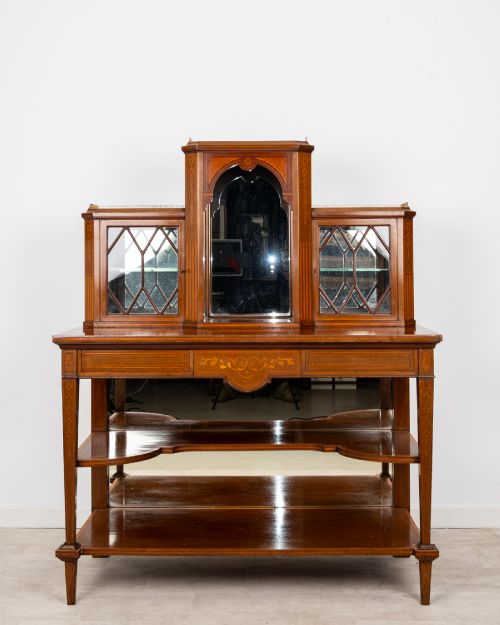
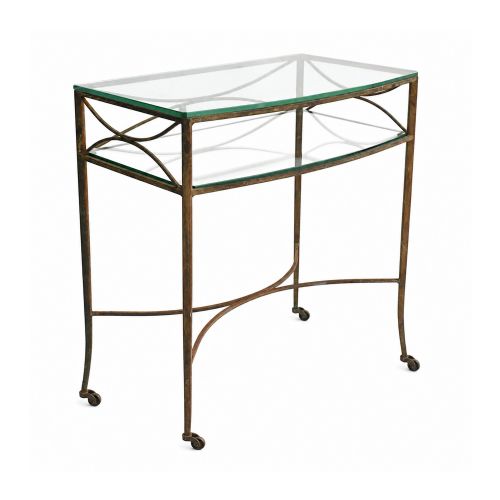
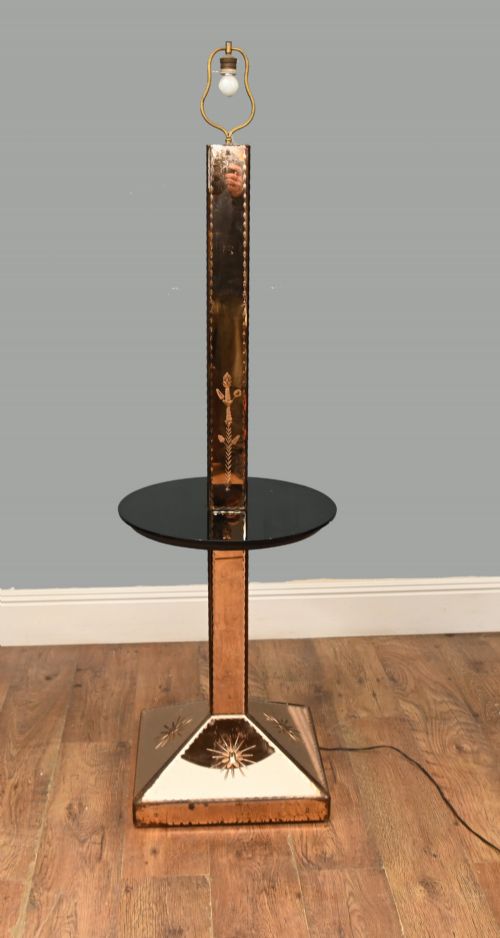
The term antique glass shelf table encompasses multi-tiered display items, console tables, and surface-integrated cabinets appearing across various periods. Buyers searching for an antique glass shelf table will encounter items ranging from early twentieth-century vitrines and jewellers countertop shelves to walnut etageres and Art Deco cocktail tables.
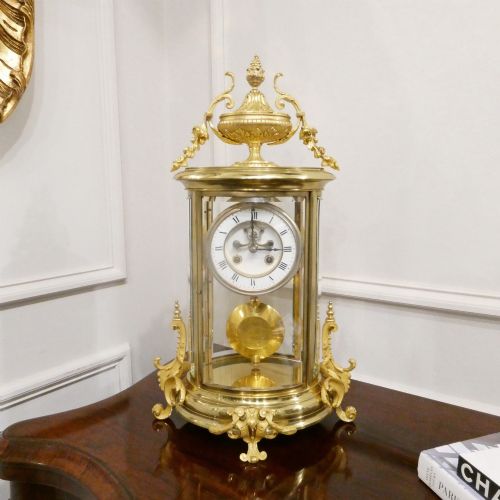
The selection on this page draws from the nineteenth century, the Edwardian era, and the nineteen-thirties. Forms vary from brass-framed four-glass mantel clocks and crystal regulators to mahogany writing desks and cast-iron two-tier console tables.
How they were made
Construction relies upon transparent panels combined with robust structural frames of brass, gilt bronze, walnut, or mahogany. Makers integrated glass with metal and timber using traditional joinery and casting techniques appropriate to each period.
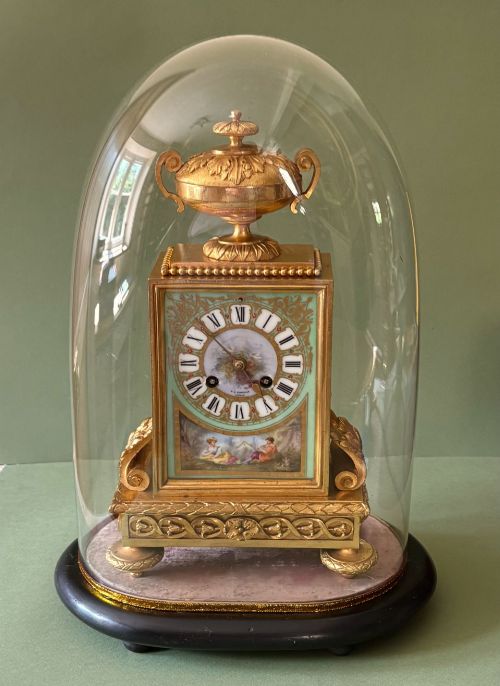
Surface treatments include parcel-gilt details, ormolu mounts, and inlaid wood patterns. The integration of chrome appears in later twentieth-century pieces alongside traditional timber veneers and polished marble bases.
Antique Glass Shelf Table Retail Price Guide 2026
Typical asking prices for glass shelf table among the pieces listed under this phrase on Sellingantiques today, from the lower quarter to the upper quarter. They describe what is for sale here now, not the wider market.
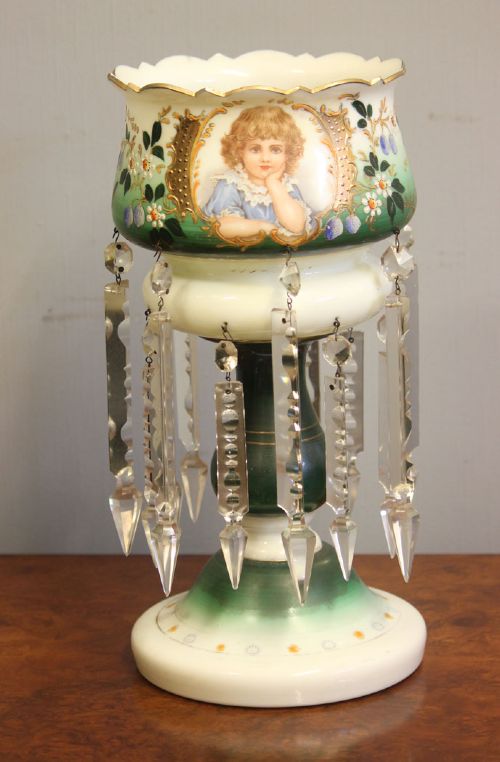
Some items glow under ultraviolet light thanks to the inclusion of opaline uranium glass in their manufacture.
What varies in quality
Quality rests in the precision of the frame assembly and the clarity of the glass components. Superior examples display crisp casting work on bronze mounts and seamless integration between glass shelves and structural supports.
The choice of timber veneers and the retention of original gilding or enameled details separate standard utility pieces from finer decorative works. Heavier gauge metals and intact bevelling on glass panes indicate superior manufacture.
Samuel Marti·L Epee France
The Antique Glass Shelf Table Glossary
- Ormolu
- A gold-coloured bronze alloy used for decorative mounts on furniture and clock cases. It provides a bright metallic finish that mimics solid gold.
- Etagere
- A piece of furniture consisting of a set of open shelves for displaying small objects or ornaments. These pieces typically feature multiple tiers supported by slender columns.
- Bijouterie cabinet
- A glazed display case designed specifically for showing small valuable items and curiosities. They often incorporate glass panels on multiple sides to maximise visibility.
- Bonheur du jour
- A light lady's writing desk featuring a small set of drawers and shelves on the top surface. Originating in France, these desks combine a compact writing area with display space.
Antique Glass Shelf Table: Frequently Asked Questions
What periods do these glass tables and shelf items date from?
The pieces span the nineteenth century through to the nineteen-thirties, covering Victorian, Edwardian, and Art Deco eras.
Design characteristics shift from ornate French revival gilt bronze towards clean geometric lines in later twentieth-century items.
How do I care for antique glass surfaces?
Clean glass panels gently using non-abrasive cloths and mild solutions to preserve original plate integrity. Avoid harsh chemicals that might damage adjacent timber frames or gilt metal mounts.
Protect joints by placing tables on level flooring to prevent structural strain on the glass inserts.
What materials are commonly used in these pieces?
Construction materials include clear glass, opaline uranium glass, brass, gilt bronze, ormolu, and cast-iron.
Frameworks frequently incorporate mahogany, walnut, satinwood, and white marble bases.
Where were these glass and table items originally used?
Many served as functional display units in domestic drawing rooms, jewellers shops, and boudoirs.
Clock styles with glass panels were designed for prominent placement on mantels and bracket shelves to display internal mechanisms.