




Antique Glass Sculpture
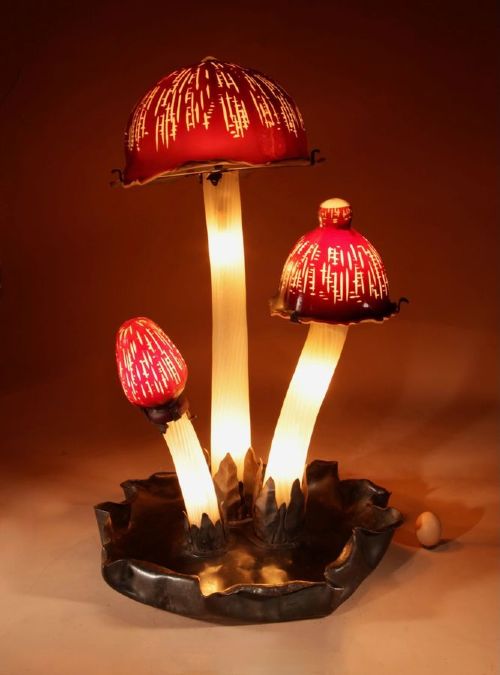
These antique glass sculpture pieces range from Art Deco car mascots to paperweights, offering a tactile focal point for a room.
Antique Glass Sculpture
An antique glass sculpture encompasses decorative objects, paperweights, and car mascots originating primarily from the nineteenth and early twentieth centuries. Buyers seeking these works will frequently encounter pieces produced during the Art Deco period alongside nineteenth-century examples.
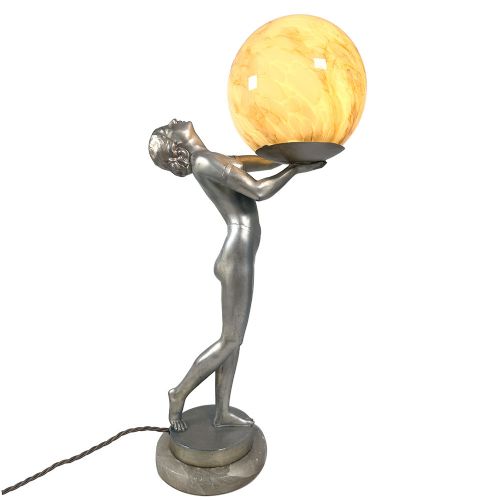
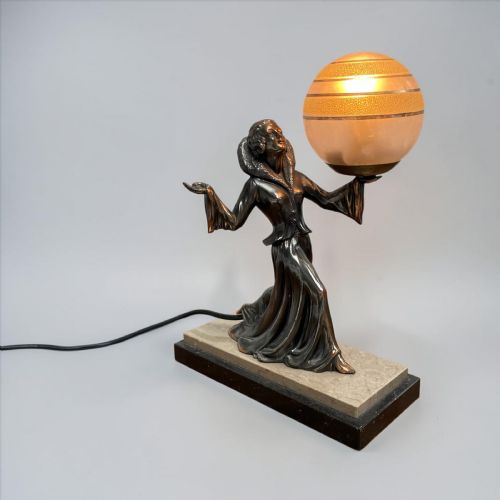
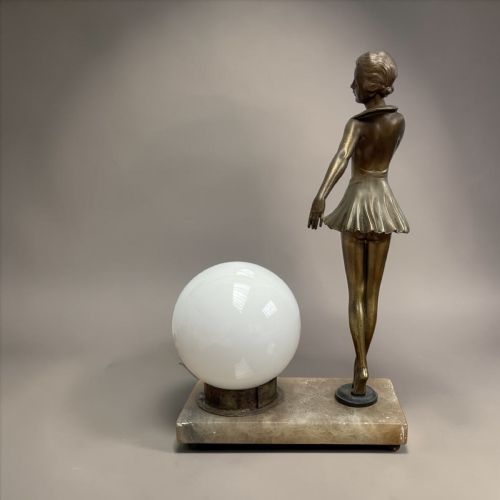
The form spans functional items like table lamps incorporating glass elements to standalone sculptural figures and desk accessories. Many pieces bridge the boundary between utilitarian objects and ornamental sculpture.
How They Were Made
Maker utilise moulded glass, clear glass, and frosted glass, often combining the medium with bases of wood, marble, spelter, or bronze. The casting and moulding techniques of the early twentieth century allowed for intricate relief work and tactile surface textures.
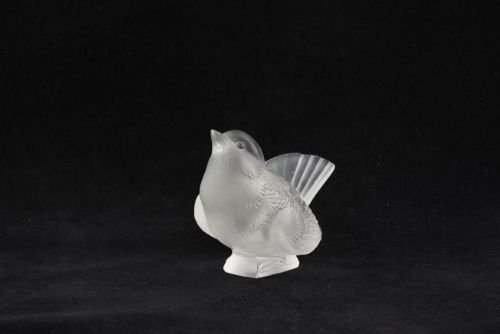
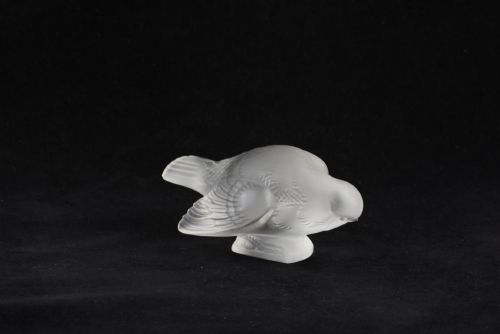
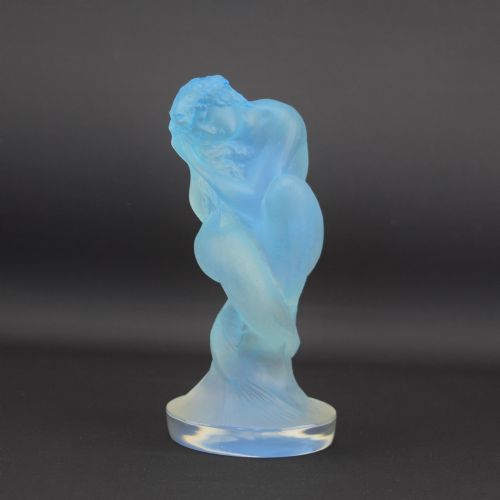
Art Deco and late nineteenth-century examples rely on precise moulding or pressing methods to achieve sharp details in figures and mascots. Surface finishes include opalescent effects, blue staining, or frosted treatments that catch ambient light.
Sculptural glass owls, mice, and perches wait patiently on this page, proving that early twentieth-century desks were wonderfully well-guarded by menagerie paperweights.
What Varies in Quality
Quality rests in the crispness of the moulding and the subtlety of the glass finish, whether clear, opalescent, or stained. Superior examples demonstrate confident handling of form and clean integration with any secondary materials such as bronze or marble mounts.
The distinction between standard decorative items and exceptional sculptural works lies in the depth of relief and the fidelity of the maker's artistic vision. Condition of the glass surface and the integrity of any mounted base also influence the overall standing of the piece.
Rene Lalique
The Antique Glass Sculpture Glossary
- Car mascot
- A decorative ornament mounted on the radiator cap of a motor car, popular during the Art Deco era and often cast in clear or opalescent glass by prominent designers.
- Opalescent glass
- A milky, translucent glass that displays blue tones in transmitted light and warm amber tones in reflected light, frequently utilised in twentieth-century figures.
- Frosted glass
- Glass rendered opaque through acid etching or sandblasting to create a matte surface texture that diffuses light across sculptural contours.
- Moulded glass
- Glass shaped by pressing molten material into a metal or wooden mould, allowing for consistent replication of detailed sculptural designs.
- Spelter
- A zinc alloy commonly utilised as an inexpensive base or mounting material for glass figures and lamps during the nineteenth and early twentieth centuries.
Antique Glass Sculpture: Frequently Asked Questions
What is an antique glass car mascot?
A car mascot is a sculptural ornament originally fitted to the radiator caps of motor vehicles during the early twentieth century. Makers such as Rene Lalique produced these in moulded glass to catch the light during daytime driving.
Today, collectors acquire these mascots as desk sculptures or display pieces, mounting them on illuminated bases to appreciate their translucent qualities indoors.
How do I identify Art Deco glass sculptures?
Art Deco glass sculptures typically date from the 1920s and 1930s, featuring stylised animal or human forms, geometric bases, and frosted or opalescent finishes. They frequently incorporate materials like spelter, onyx, or bronze into the overall composition.
Examining the base and the weight of the glass helps distinguish these twentieth-century productions from earlier nineteenth-century decorative glass objects.
What is the difference between paperweights and sculptures?
Paperweights are compact, weighted objects designed to hold loose sheets of paper, though many produced in the early twentieth century functioned primarily as miniature animal sculptures. Larger decorative sculptures and lamp figures were intended strictly for display.
Both categories utilise similar moulding and finishing techniques, but their intended domestic function dictates their scale and base construction.
How should I display glass sculptures at home?
Displaying glass sculptures benefits from placement near natural light sources or on specially lit shelves that allow light to pass through the clear, frosted, or opalescent surfaces. Ensuring stable placement on a level surface protects pieces mounted on marble, wood, or bronze bases.
Keeping them away from high-traffic edges prevents accidental knocks, as nineteenth and early twentieth-century glass can chip under sharp impacts.