
Antique Glass Light Fixture
An antique glass light fixture brings character to a room through period brass, bronze and cut crystal.
Antique Glass Light Fixture
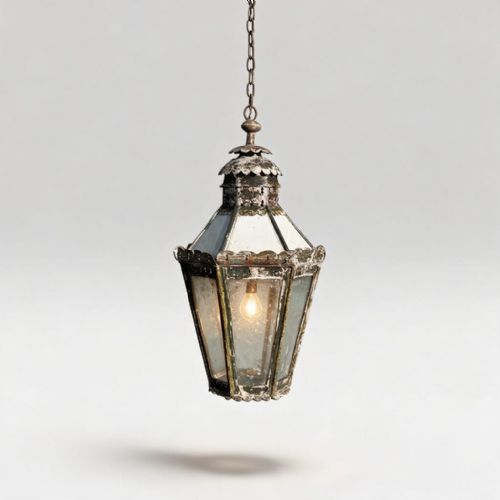
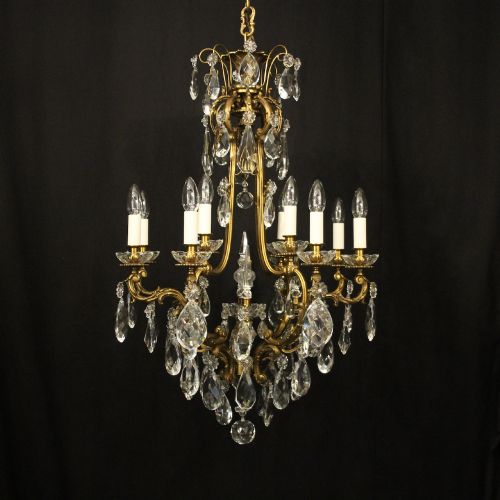
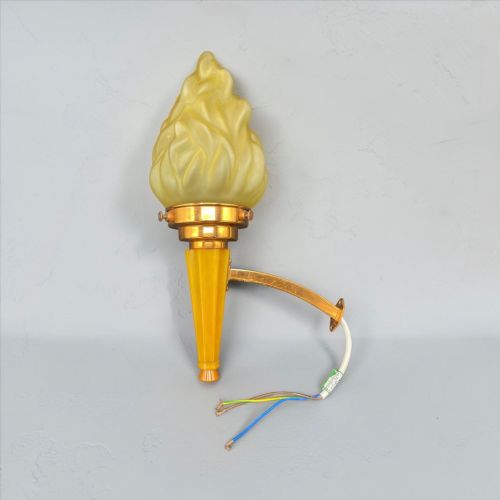
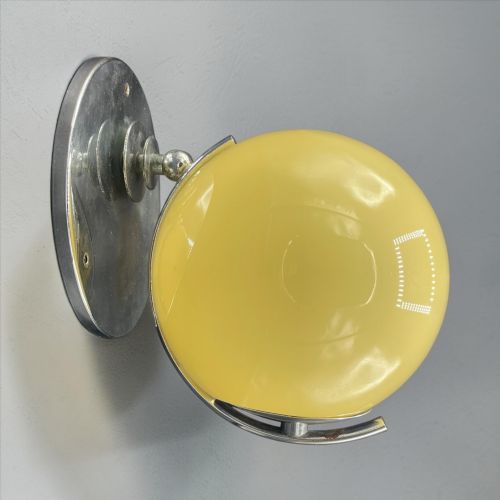
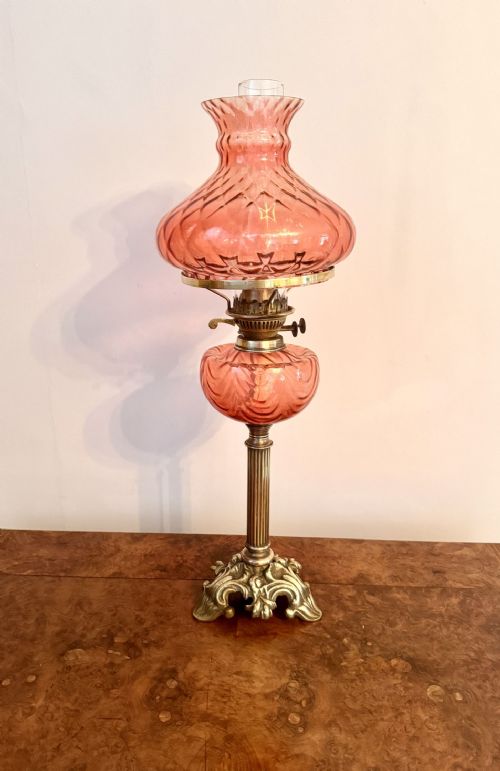
An antique glass light fixture spans chandeliers, ceiling lights, pendant lights, hall lanterns and wall lights from the nineteenth century up through the Art Deco era. The selection draws heavily on French designs alongside English, Italian and American pieces.
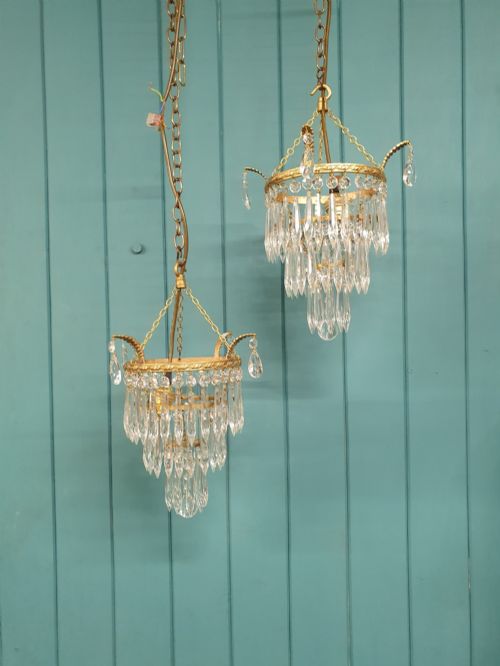
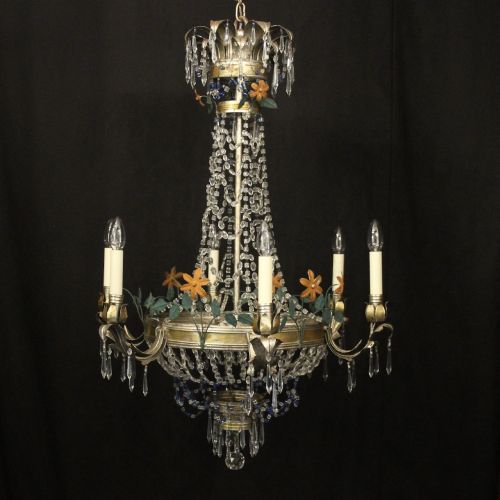
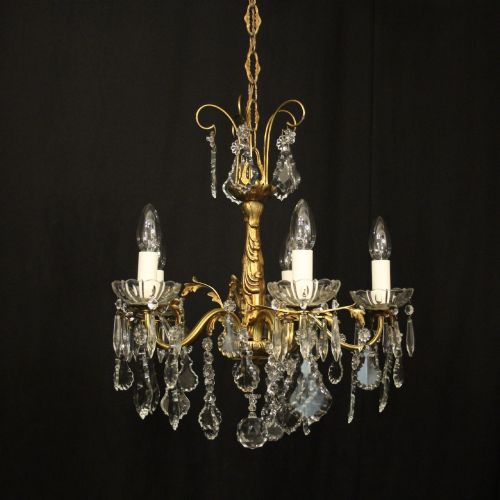
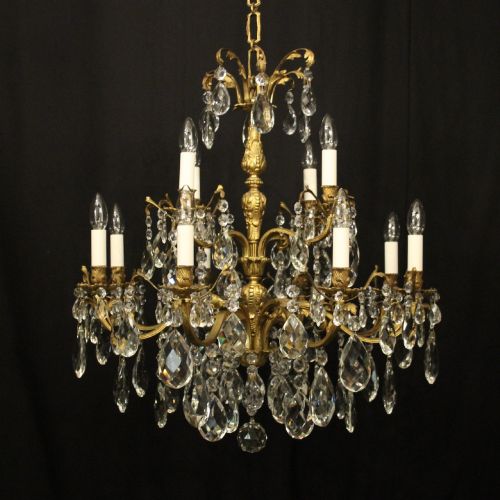
Chandeliers and ceiling lanterns dominate the forms, frequently pairing brass, gilt metal or bronze with glass, crystal and cut glass. Buyers encounter everything from small single-light pendants to grand multi-armed ballroom chandeliers.
The periods range from Victorian and Edwardian works to 1920s and 1930s creations, showing influences from French Chateau, Empire, Rococo, Neoclassical and Arts and Crafts styles.
How they were made
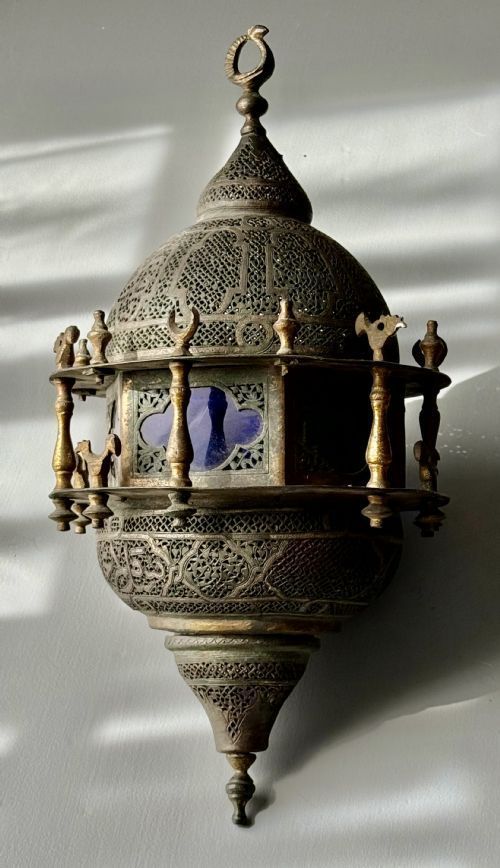
Metalwork frames utilise cast brass, gilt bronze, copper, chrome and spelter, providing structural support for glass elements. Frames are often shaped into intricate French styles, geometric Art Deco lines or robust industrial forms.
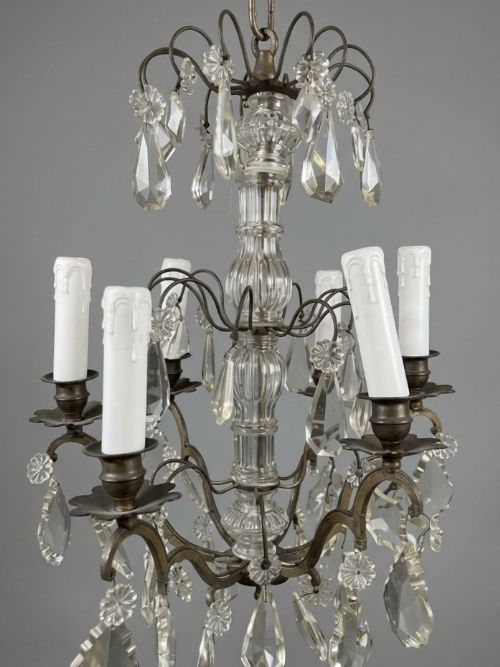
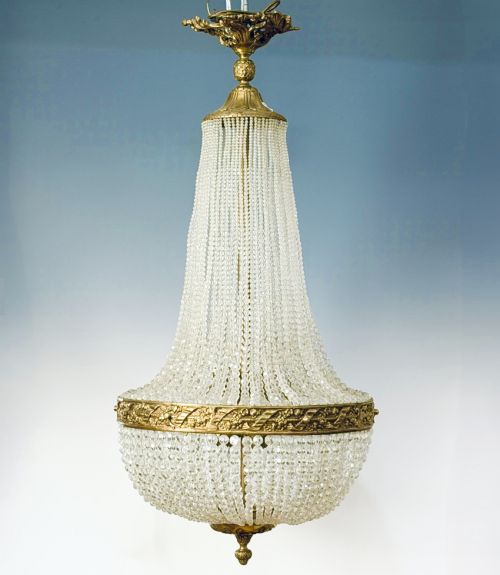
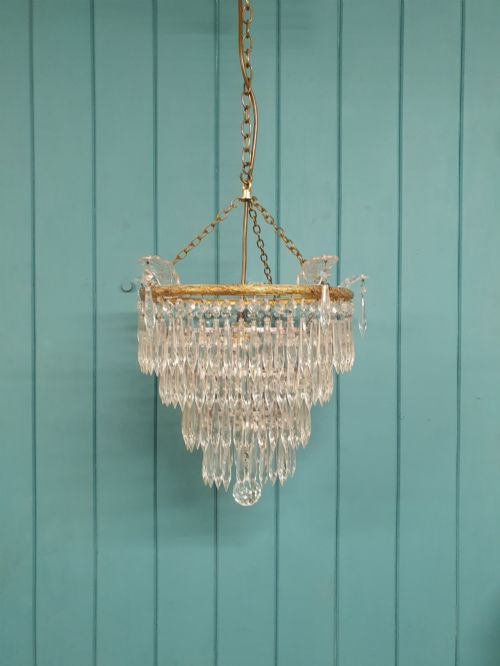
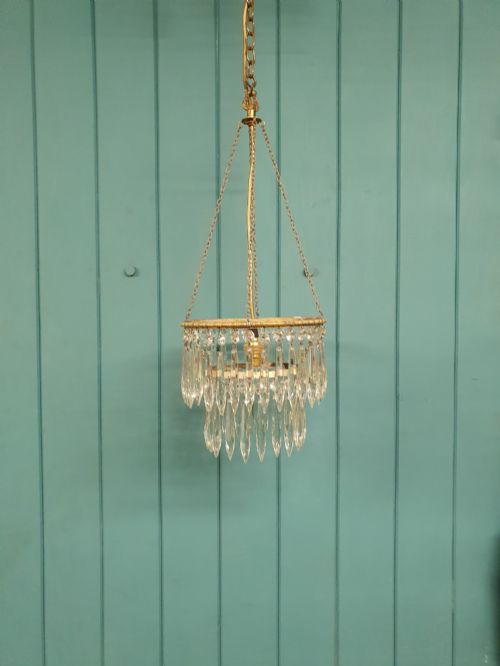
Glass components include hand-cut crystal, bevelled glass panels, opalescent shades, slip shades and moulded glass globes. Many hanging fixtures incorporate crystal lustres, beadwork and glass spikes suspended from the metal armature.
A flying cherub occasionally holds up the crystal spike chandeliers, watching over the room from above.
What varies in quality
The depth of metal casting and the clarity of the glass separate standard pieces from exceptional examples. Finer fixtures display hand-chased gilt bronze, precise cutting on crystal prisms and substantial metal gauges rather than thin pressed sheet.
Coherence of design dictates the hierarchy of pieces, where period-appropriate mounts, original crystal lustres and integrated decorative motifs remain intact. Harmonious proportions between the metal frame and the glass elements distinguish superior workshop output.
Émile-Jacques Ruhlmann
The Antique Glass Light Fixture Glossary
- Plafonnier
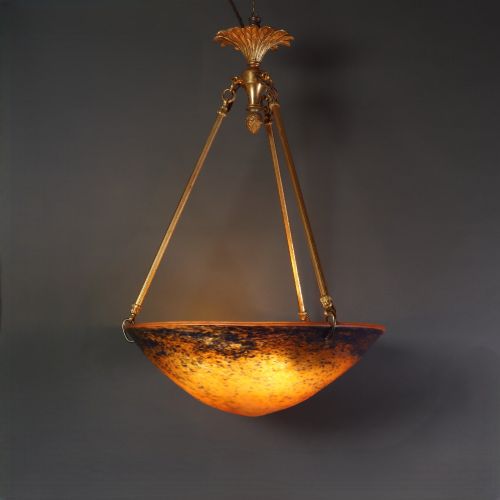
- A ceiling-mounted glass light fixture that sits flush or close to the ceiling surface. These often feature bowls or domes of cut or moulded glass.
- Tent and waterfall
- A chandelier design where strings of crystal beads form an upper tent shape that cascades down over the arms. This configuration maximises light refraction across the room.
- Spelter
- A zinc alloy used as a substitute for bronze in decorative metalwork. It takes gilding well but offers a lighter weight than traditional bronze.
- Slip shade
- A type of glass shade used in twentieth-century lighting that slips into a metal frame. These are commonly found in Art Deco American ceiling lights.
- Lustre
- A cut glass pendant or drop hung from a chandelier to reflect light. Lustres come in various shapes including spears, drops and spikes.
Antique Glass Light Fixture: Frequently Asked Questions
How do I hang a heavy crystal chandelier safely?
Heavy chandeliers require direct anchoring to a ceiling joist using a rated steel electrical box and appropriate mounting hardware. Professional installation is essential to bear the combined weight of the metal frame and glass components.
Ensuring the electrical supply can handle multi-bulb fixtures safely protects both the wiring and the antique fixture itself during daily use.
How do I clean cut glass and crystal fixtures?
Cleaning involves wiping glass components with a mild solution of warm water and a gentle cleanser while the fixture remains unpowered. Many collectors remove individual crystal lustres for careful washing and drying before reattaching them to the frame.
Harsh chemical sprays should be avoided to prevent damage to gilt bronze, brass and antique metal finishes surrounding the glass.
What is the difference between a plafonnier and a pendant light?
A plafonnier mounts directly against the ceiling with minimal clearance, making it suitable for rooms with lower ceiling heights. Pendant lights suspend downward from the ceiling via a cord, chain or rod.
Both forms utilise glass shades or bowls, but pendant fixtures occupy more vertical space in the interior.
How can I date an antique glass light fixture?
Dating relies on observing the combination of materials, fastening techniques and stylistic markers present in the piece. For instance, heavy use of chrome alongside geometric glass points toward the Art Deco era, while gasoliers with opalescent shades point to the nineteenth century.
Examining the screw types, wiring channels and metal casting methods helps narrow down the period of manufacture.