




Antique Glass Hurricane
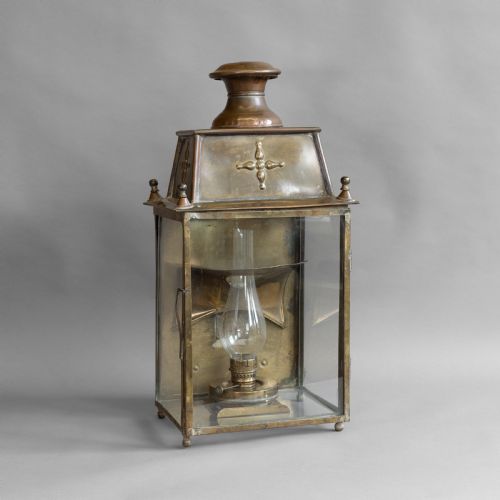
These antique glass hurricane pieces protect a flame from draughts while casting a steady, diffused light across the room.
Antique Glass Hurricane
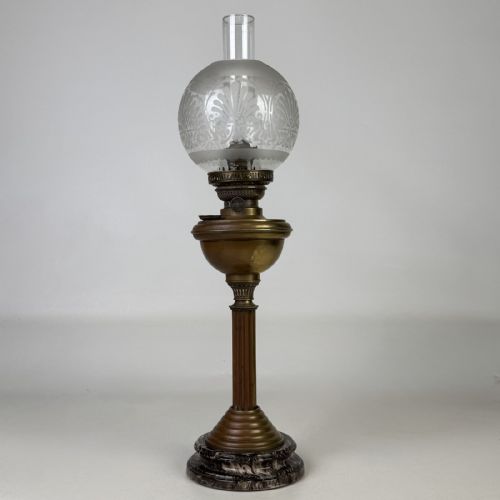
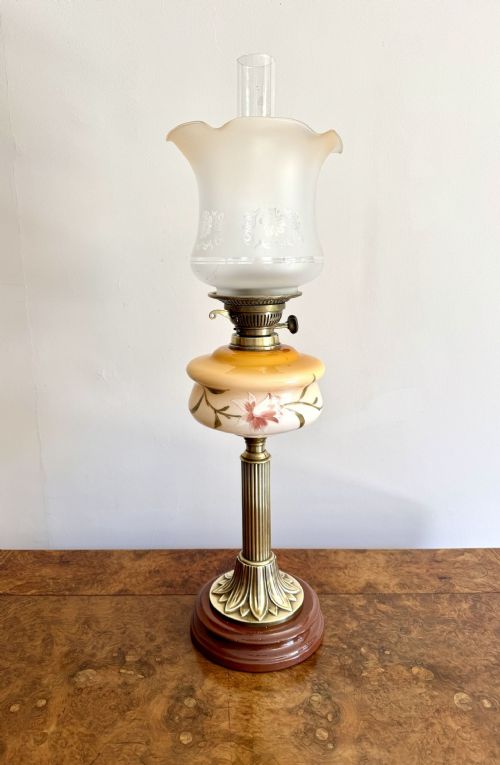
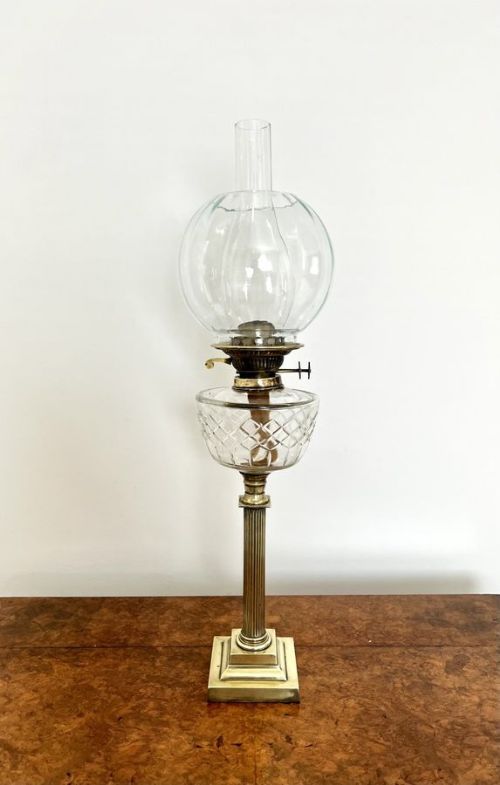
When you search for antique glass hurricane, you encounter domestic lighting and decorative vessels produced across the nineteenth century and into the Edwardian era. These items encompass oil lamps, table lamps, candle lamps, lustres, and candle holders designed to shield candles or oil flames.
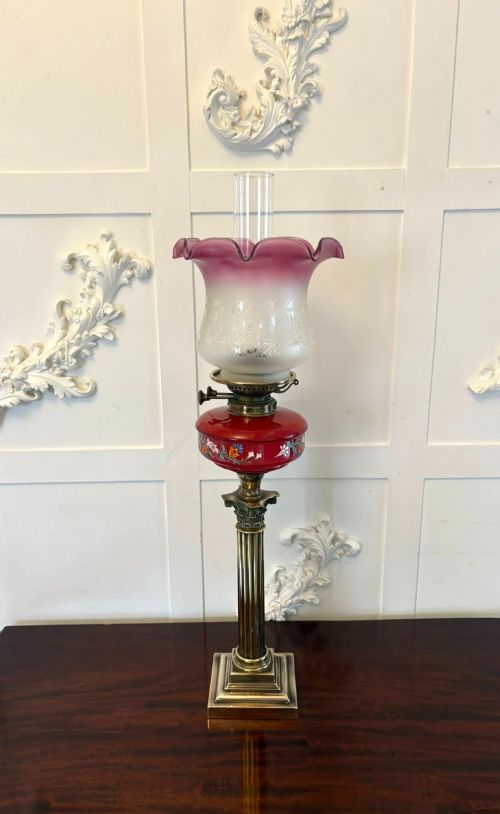
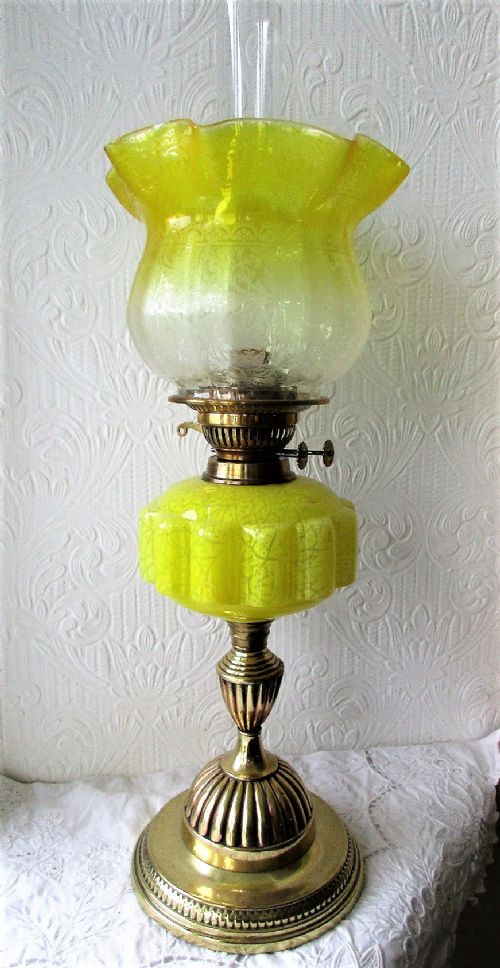
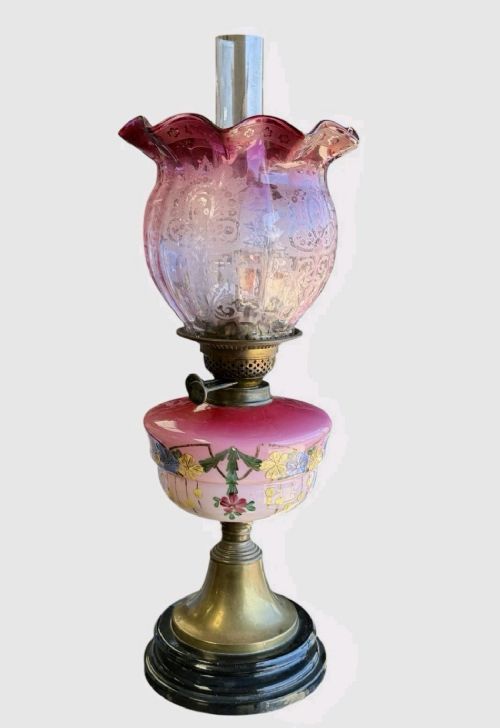
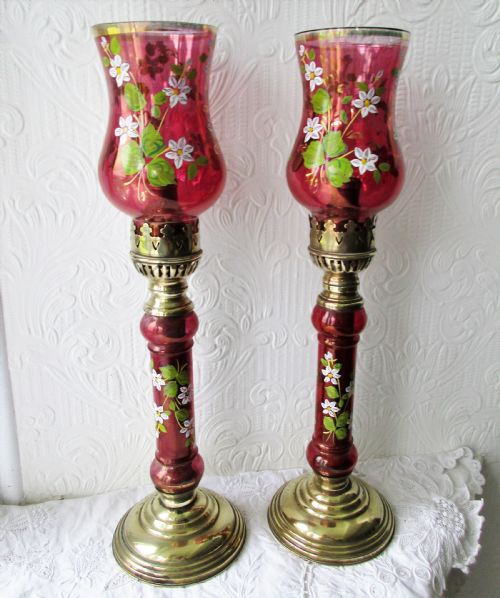
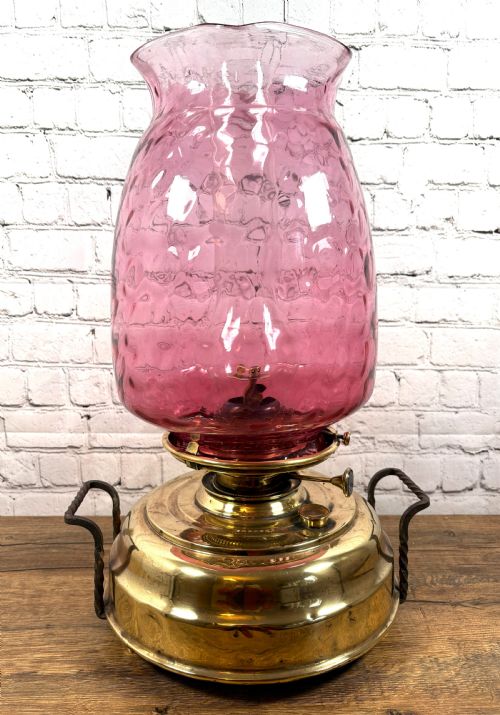
The nineteenth century and Victorian periods dominate the selection, alongside Edwardian examples from around nineteen hundred. Brass and glass form the primary pairing, frequently featuring cranberry glass, clear glass, crystal, opaline, ruby glass, or tinted glass shades.
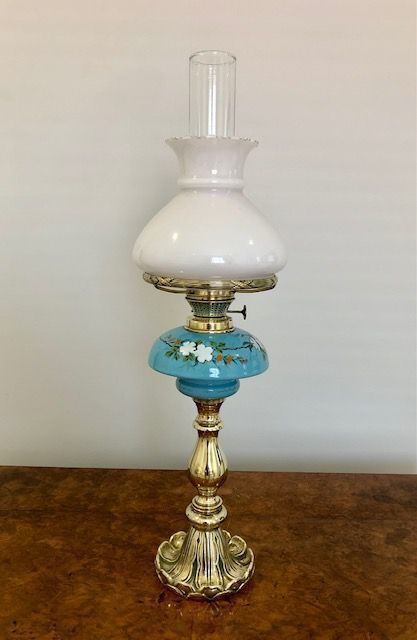
Many examples incorporate burners, fonts, or chimneys alongside metallic bases in brass or silver plate. Forms range from simple turned brass table lamps and cylinder vases to elaborate hand-painted fonts and cut-glass lustres.
Materials and construction
Makers combined heavy cast or turned brass with blown, moulded, and cut glass components to create stable domestic illumination. Glass elements include cranberry, pink, yellow, ruby, and clear soda glass, occasionally finished with enamel, gilt decoration, or hand-painted details.
Metal structures utilise brass and silver plate, sometimes featuring embossed or cast ornamentation. Glass chimneys and shades work in tandem with oil fonts and ceramic or porcelain elements such as Meissen porcelain cherubs.
Antique Glass Hurricane Retail Price Guide 2026
Typical asking prices for glass hurricane among the pieces listed under this phrase on Sellingantiques today, from the lower quarter to the upper quarter. They describe what is for sale here now, not the wider market.
Assessing quality and craftsmanship
Superior pieces display crisp hand-cutting on crystal and glass shades, paired with substantial, well-finished brass castings that sit squarely. Weight and balance distinguish standard production items from finer workshop output.
Decoration such as hand-painted enamel work and gilt detailing demonstrates the artisan's control and precision on the glass surface. Original matching components, including fonts, shades, and chimneys, elevate the integrity of the piece.
The Antique Glass Hurricane Glossary
- Hurricane lamp
- A lighting device featuring a glass shade or chimney designed to protect a candle or oil flame from wind and draughts.
- Cranberry glass
- A rich red-pink transparent glass coloured with gold chloride, popular throughout the Victorian period for shades and fonts.
- Lustre
- A decorative table ornament featuring a bowl or stem hung with cut glass pendants that catch and refract the light.
- Opaline glass
- An opaque, pale glass with a milky appearance, frequently used for Victorian lamp shades to soften the light.
- Font
- The reservoir that holds the oil beneath the burner on a nineteenth-century table lamp.
Antique Glass Hurricane: Frequently Asked Questions
What is an antique glass hurricane lamp?
It is a nineteenth-century lighting device designed to shield a flame with a glass shade or chimney while illuminating a room.
These pieces typically combine a brass base with coloured or clear glass components.
How do I identify a Victorian oil lamp?
Victorian oil lamps frequently feature turned brass bases, glass fonts, and matching chimneys or shades dating from the nineteenth century.
Look for materials such as cranberry glass, opaline, and cut crystal combined with brass or silver plate.
Were these lamps used with oil or candles?
They were produced for both oil and candles, depending on the specific mountings and internal mechanisms fitted to the base.
Many nineteenth-century examples incorporate paraffin burners, while others support candle sockets and glass chimneys.
What are glass lustres used for?
Glass lustres serve as decorative mantelpiece ornaments rather than functional light sources, though they incorporate glass prisms to catch the light.
Pairs of lustres often feature cut glass drops suspended around a central bowl or stem.